How are Ki-Shusui koi? An analysis of the color characteristics of Ki-Shusui koi
Introduction to Ki-Shusui koi. Ki-Shusui koi and Shusui koi mainly share the following similarities: In terms of body shape: Ki-Shusui koi and Shusui koi both have a slender body with a slightly plump belly. In terms of scales: both have scales covering the back, from...
Ki-Shusui koi and Shusui koi mainly share the following similarities:
Body shape: Ki-Shusui koi and Shusui koi both have a slender body with a slightly plump belly.
Scales: both have scales covering the back, extending from the head all the way to the caudal peduncle.
Color: the color of the Ki-Shusui koi is likewise distributed on the face, belly and dorsal fin.
Ki-Shusui, as the name suggests, is a yellow Shusui, but the back is still blue; if a koi has no blue at all and its back scales are black, it is called "German Ki-Matsuba".
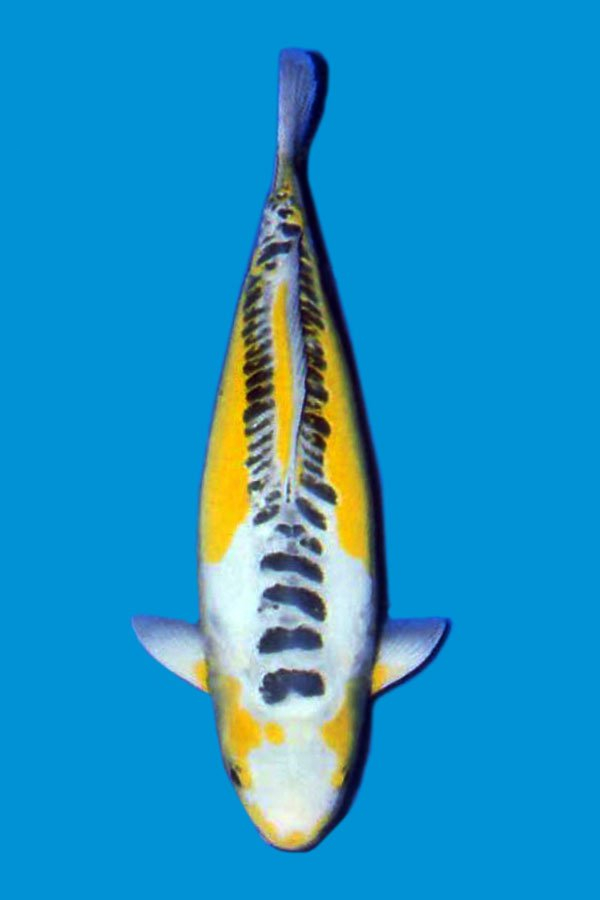
1. The head color of the Ki-Shusui is not as strictly required as that of the Shusui koi, but it must not have impurities either; the yellow part must not have black spots or other colors, otherwise the ornamental value is affected.
2. The back color must be blue, otherwise it is a "German Ki-Matsuba".
Next, as with otherkoi, check whether the body shape is well-proportioned and robust, whether there is any trauma, bleeding or other symptoms of disease, and that the color is deep and pure;
In addition, observe whether the fish has white spots, white fuzz, blood streaks, ulceration or other symptoms of disease, then check whether the pectoral, pelvic and caudal fins are complete, and whether it swims cheerfully and lively when moving, and whether there is any rolling, lying on its side, standing upside down or sinking to the bottom. Unhealthy fish must not be selected.