What are the considerations for building a laying hen house?
Laying hens are a major direction of poultry farming in China, with a very broad breeding area in the country. Raising laying hens not only brings the benefit of eggs, but spent hens can also be sold for meat, so the prospects are quite good. When raising laying hens, the construction of the hen house is very important, and there are many points that require our attention. So today, the editor brings you the considerations for building a laying hen house. Let's take a look below!
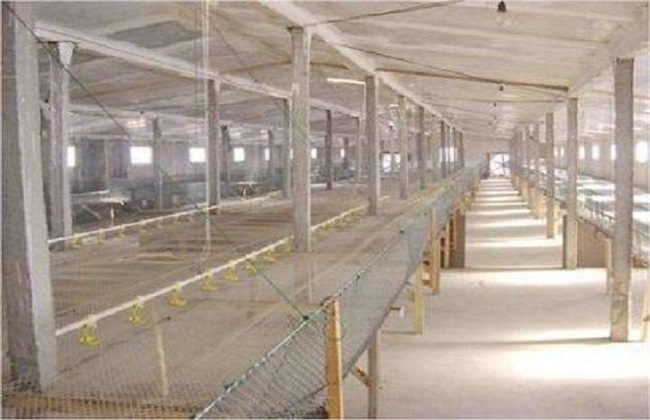
1. Pay attention to ventilation
When building a laying hen house, the first thing to pay attention to is its ventilation capacity, because the metabolism of laying hens is relatively strong. They have certain requirements for air quality, and they also expel a relatively large amount of harmful air. Therefore, the permeability of the laying hen house must be ensured, and the house must have enough vents. If these are windows, then we also need to do good protective work to prevent other organisms from entering the house and avoid spreading diseases. If there are no windows, then ventilation fans should be installed reasonably to improve air quality control and ensure reasonable ventilation.
2. Disinfection pool
The disinfection pool is also an item that we must focus on when building the hen house. Because when raising chickens, we need to regularly disinfect the hen house and the flock to prevent the breeding of bacteria, the spread of diseases, and effects on the growth of the flock. When disinfecting laying hens, we generally need to use water. Therefore, the drainage work after disinfection is also very important, so the ground inside the hen house should be higher than the ground outside the hen house to facilitate the discharge of wastewater. Then dig a ditch around it, and set up a disinfection pool at the entrance for regular disinfection.
3. Pay attention to temperature control
When building a hen house, temperature control is also very important, and we must focus on the house's temperature control capacity. It is necessary both to ensure good cooling function in summer and to provide normal insulation in winter. The suitable temperature during the growth of laying hens is about 15-20°C. If the temperature is below 5°C, then the chickens' feed intake will increase, but the feed conversion rate will be affected and decline. If the temperature is too high, it is very easy to cause heat stress in laying hens, which is very harmful to the growth of the chickens, so the roof and walls of the hen house are all very important.
4. Other considerations
Chickens also have a relatively large demand for light during growth, so when building the hen house, attention should be paid to maintaining good light transmission capacity. Reasonable lighting can improve the insulation capacity of the hen house and also play a role in disinfection and sterilization, which is very helpful for the growth of the chickens. Natural lighting and artificial lighting methods can be used to provide the chickens with suitable lighting duration and intensity. Then the roof of the hen house should be designed well. A layer of straw can be placed on the roof, which can effectively insulate against heat. A single-slope style should be mainly used to improve drainage performance.
The above is a brief introduction to the considerations for building a laying hen house. The construction work of the hen house is very important, and we must consider it comprehensively to create a good growth environment for laying hens. That is all for today's introduction. This article is for reference only. Thank you for reading and your support.