How to manage sheep farming in summer? These key points you need to know
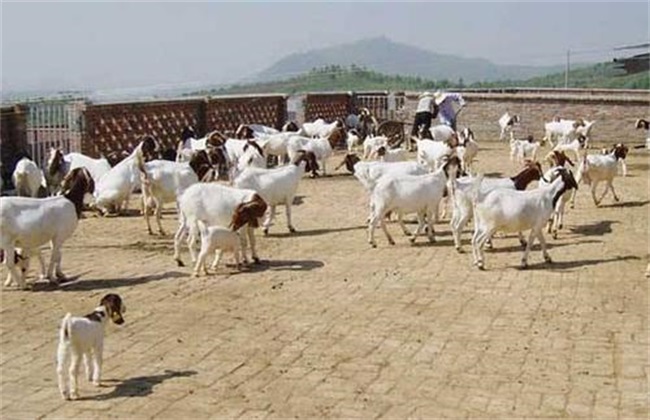
Sheep farming covers a very large breeding area across all regions of China. The farming directions for sheep include wool and mutton, and the market demand for both is very large. When raising sheep, each season has different management methods. Especially after entering summer, rising temperatures are very unfavorable to sheep growth. So how should you raise sheep in summer? Below, the editor brings you the key points for summer sheep farming management. Let's take a look!
1. Proper shearing
Wool is a very good warming tool for sheep in winter, preventing body temperature from dropping and avoiding excessive energy consumption. However, in summer it hinders heat dissipation in sheep, which in turn affects their growth. So before entering summer, we should do a good job of shearing the sheep, controlling the timing and method according to the breed being raised. The wool on both sides of the body should be sheared, but the wool on the belly should be kept to prevent chilling. After shearing, do a good job of deworming, then carry out a medicated bath. Before the medicated bath, make sure the sheep have enough drinking water to prevent them from drinking the medicated liquid out of thirst and becoming poisoned.
2. Trimming sheep hooves
Summer temperatures are very high, and high humidity is also common, so sheep are highly prone to diseases such as foot rot. Therefore, before entering summer, we should properly trim the sheep hooves to reduce the incidence of hoof diseases. First, soak the hooves until soft, then let the sheep lie on its side and secure the hock area of the leg. To prevent the sheep from moving around and affecting the hoof trimming work, first clean out impurities and various decayed matter from the hoof crevices. Then remove some excess hoof material, but do not trim excessively to prevent bleeding. If bleeding occurs, treat it promptly to prevent wound infection. Trimmed hooves should be flat and regular to ensure the sheep's growth.
3. Temperature and humidity control
Summer is highly prone to high-temperature, high-humidity environments, which can have a major impact on sheep appetite and health. Therefore, before summer arrives, we should control the temperature and humidity inside the sheep shed, and set up shade canopies. If there are trees or other covering objects, then canopies do not need to be built. Then the sheep shed can be painted white, using the properties of white to dissipate heat. Ensure good ventilation inside the shed and ventilate in a timely manner for convection. If ventilation is poor, and conditions permit, various cooling facilities such as exhaust fans and water curtains can be installed to create a good growing environment for the sheep.
4. Feeding management
After entering summer, we should also appropriately adjust the feeding amount and method, with the aim of increasing the sheep's intake and digestion. Sheep usually eat less in summer, mainly because of temperature and humidity. Especially during the daytime, if the temperature is too high, the sheep may refuse to eat. Therefore, to ensure the sheep's appetite, we should adjust feeding times to the cooler morning and evening hours, and then increase the proportion of green feed. This can both improve palatability and enhance the sheep's stress resistance. Finally, ensure there is sufficient drinking water to prevent heatstroke and other adverse conditions.
The above is a brief introduction to the key points of summer sheep farming management. When raising sheep in summer, we should also pay attention to doing a good job of mosquito and fly control. Mosquitoes and flies not only disturb the sheep's growth, but also carry pathogens and spread diseases, so they should also be given much attention. That is all for today's introduction. This article is for reference only, and we hope it can help everyone!