Detailed Explanation of Key Points of Summer Feeding and Management Techniques for Angora Rabbits
The Angora rabbit, also known as the long-haired rabbit, is a very common rabbit breed. There are four lines of Angora rabbits, among which the wool-type line is mainly white Angora rabbits. Other colors such as black and yellow are mainly pet rabbits. Today, whether for pets or wool, the scale of breeding is very large. So how should we manage them after summer arrives? Below, the editor brings you the feeding and management techniques for Angora rabbits. Let's take a look!
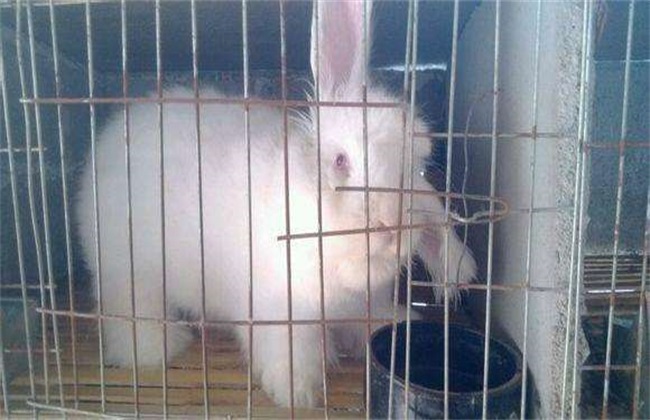
1. Shade and Heat Prevention
After summer arrives, we should get familiar with the breeding environment of Angora rabbits in advance within an appropriate time. Before summer comes, the wool of Angora rabbits should also be sheared properly. Because excessive temperatures must be prevented, which can cause uneven heat dissipation in Angora rabbits, and proper wool shearing can effectively help Angora rabbits dissipate heat and cool down. If rabbits are found to have symptoms such as fever, protruding eyeballs and convulsions, it means the Angora rabbit has heatstroke. At this time, the sick rabbit must be promptly placed in a cool place, then covered with a wet towel, and given cold water with Rendan pills for emergency rescue.
2. Dehumidification and Muggy Prevention
Summer has a very large amount of rainfall, so the air humidity is also relatively high, and a high-temperature, high-humidity environment is very unsuitable for the growth of Angora rabbits. Therefore, in summer we should build shade sheds as much as possible, and then do a good job of ventilation. When the temperature is high, bricks soaked in cold water can be placed in the cages, but they should be put in bags to help the Angora rabbits cool down. If conditions permit, cooling equipment can be installed to promote heat dissipation and dehumidification. If the ground is damp, then we should appropriately sprinkle plant ash and other materials to neutralize it. On stormy days, attention should be paid to sheltering from rain, clearing standing water, and preventing moisture from returning.
3. Feeding Methods
Summer temperatures are relatively high, so we should reasonably adjust the feed of Angora rabbits according to the characteristics of summer. Reduce the proportion of nutrients such as energy and increase the protein content. Then increase the feeding amount of green feed and other succulent feed, because due to the higher temperature, the feed intake of Angora rabbits in summer will decline somewhat. Therefore, we should appropriately raise the crude protein standard in the daily ration. Then the feeding time should avoid high-temperature periods such as noon, and be carried out in the morning and evening when the temperature is not high. This can effectively increase feed intake. Finally, we should also pay attention to providing sufficient drinking water to meet the nutritional and water needs of Angora rabbit growth.
4. Precautions
After summer arrives, we should appropriately reduce the density. If conditions permit, it is best to have one rabbit per cage, and each rabbit cage must not exceed 3 rabbits at most. In summer, the semen quality of male rabbits is greatly affected, and when female rabbits are mated, adverse phenomena such as miscarriage and insufficient lactation are likely to occur. Therefore, in summer we should suspend mating work to ensure the normal growth of breeding rabbits, and carry it out again in autumn and other times when the temperature is suitable. Then do a good job of environmental hygiene and strengthen the prevention and control of mosquitoes, flies and rodents. Finally, there is disease prevention and treatment. Common summer diseases include rabbit plague and rabbit pasteurellosis, all of which require our special attention.
The above is a brief introduction to the summer feeding and management techniques for Angora rabbits. The summer management work of Angora rabbits is very important and directly affects breeding efficiency, so everyone must pay close attention. That is all for today's introduction. This article is for reference only, and we hope it can help everyone!