What are the precautions for raising ducklings? Explained clearly in one article
Duck farming is one of China's traditional farming projects, and nowadays many farms mostly bring in ducklings for raising. Raising ducklings is an important part of duck farming. So what precautions should be taken when raising ducklings? Let's learn about it together with the editor.
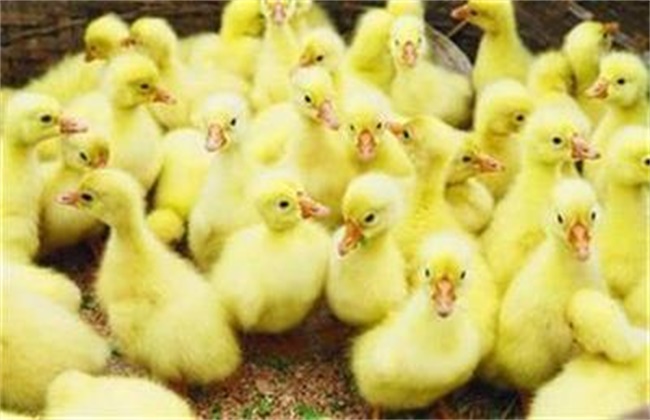
1. Selecting ducklings
For selecting ducklings, it is best to choose lively, active and robust ducklings. For those that are inactive, listless and too weak in constitution, do not keep them. And if they are newly hatched ducklings, first see whether their eyes can open, whether they look bright and spirited, whether the beak and limbs are rosy and smooth, and also check whether the nutritional conditions and hatching conditions are up to standard. Best of all, see whether the ducks have weak legs or other adverse symptoms. Once any abnormal condition is found, they should not be selected.
2. Preparing the duck house
Before bringing them in, all the feeding equipment to be used must be fully prepared. At the same time, clean the environmental hygiene of the duck house thoroughly, dilute a disinfectant and disinfect it comprehensively, and after it dries, rinse it clean with water. Only then can it be used for the ducklings. If the environment of the duck house is extremely dirty and messy, the ducklings themselves have weak resistance, and growing in such an environment makes them highly susceptible to disease, which affects their growth and development and, in severe cases, causes death.
3. First water and first feed
Before feeding, ducklings should first be given warm boiled water. It is best to add an appropriate amount of vitamins and glucose to the drinking water, or give a 1% potassium permanganate solution to drink. This can disinfect the ducklings' stomach and intestines, promote gastrointestinal motility, speed up metabolism, increase appetite, prompt the discharge of meconium, and lay a good foundation for future growth and development. When feeding, pay attention to pairing dry and wet feed and different types of feed together. For ducklings, be careful to feed wet feed; dry feed is not easy to digest when eaten and will cause gastrointestinal discomfort. Ducklings have delicate stomachs and intestines and digest slowly, so feeding should follow the principle of small and frequent meals, generally feeding once every three hours, with each feeding amount accounting for one tenth of the duckling's body weight. As the ducklings grow, the number of feedings decreases and the feeding amount increases.
4. Raising density
Special attention must be paid to the raising density of ducklings. Generally, for ducklings within one week of age, it is appropriate to raise 30-35 per sq m; for 15-day-old ducklings, it is appropriate to raise 25 per sq m; after 20 days of age, reduce it to 15 per sq m; after one month of age, only 10 per sq m need to be raised. It can also be adjusted according to seasonal changes. In winter, when temperatures are low, the density can be slightly increased, while in summer, when temperatures are high, it should be reduced a bit more.
The above is an introduction to the precautions for raising ducklings. I hope it can help you. To learn more related knowledge, please stay tuned to us.