A detailed guide to the correct use of chicken vaccines
Raising chickens is one of the most common farming projects in rural areas, and when raising chickens you need to pay attention to good management. This is especially true for disease prevention and control, and when preventing and treating diseases you need to follow the procedures for vaccine injections. The use of chicken vaccines is very important, but because there are so many vaccines, the methods of use also differ. So today I have brought you the methods for using chicken vaccines, let's take a look!
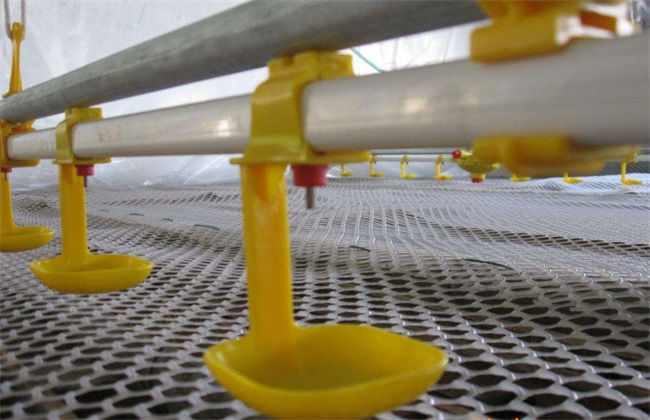
1. Drinking water immunization
The advantage of drinking water immunization is that you do not have to catch each chicken individually to vaccinate it. It can reduce manual labor and also prevent stress in the flock, making it the most commonly used method for larger-scale chicken farms. However, it cannot guarantee the immunization effect, so when carrying out the procedure we need to make sure the vaccine is mainly a live vaccine. When diluting the vaccine, add an appropriate amount of skim milk to it. Before drinking water immunization we need to withhold water for about 3 hours, and we must ensure the diluted vaccine liquid can all be consumed within 2 hours. Make sure there are enough drinkers so that every chicken can be immunized normally. The time should be controlled to early morning or evening, and it is not suitable to do it at noon.
2. Nose and eye immunization
Nose and eye immunization is the most commonly used immunization method for chicken vaccines; as long as good operating technique is ensured, its immunization effect is very good. It has a good effect on preventing and treating respiratory diseases. However, this immunization method requires more labor, as it must be done one chicken at a time, and the possibility of the flock developing a stress response is also relatively high. For nose and eye immunization, note that the vaccine should be diluted with distilled water and the dosage should be controlled well. Before using the vaccine, it is best to first drip a test to determine the dosage. In order to reduce the chickens' stress response, it is best to do it at night, or when the light is dim.
3. Aerosol immunization
Aerosol immunization is also a main method for herd immunization of chickens; it can improve the chickens' physiological functions and enhance the resistance of the mucous membranes. However, if aerosol immunization is used, the conditions and equipment for aerosol immunization must be ensured. Aerosol immunization can save a lot of time and labor, and the effect is also relatively good. However, aerosol immunization easily causes respiratory diseases. So when carrying out aerosol immunization we need to control the size of the droplets well, keep the aerosol sprayer at about 60-70cm, spray at the chickens' heads, and when you feel the chickens' bodies becoming wet, the goal has been achieved. After the aerosol treatment, add an appropriate amount of antibiotics to the water and feed to prevent chronic respiratory diseases.
4. Subcutaneous injection
The subcutaneous injection method can effectively control the dose, and the effect is good. However, it consumes a relatively large amount of manpower, and the harm caused to the chickens is also relatively serious. When carrying out subcutaneous injection we need to pay attention to disinfecting the needle and other connecting parts. When injecting, shake while injecting to ensure the vaccine is uniform. The subjects to be vaccinated should first be healthy chickens, and then sick chickens. Also pay attention to replacing the needle to prevent spreading pathogens and causing infection. Control the depth of needle insertion according to the chicken's growth stage, and keep the direction of the needle parallel to the breastbone.
The above is a brief introduction to the methods for using chicken vaccines. When raising chickens we must pay attention to doing the vaccine work well, ensuring healthy growth of the flock and reducing the incidence of disease. That is all for today's introduction. This article is for reference only, and I hope it can help everyone!