How to disinfect a chicken coop thoroughly during the empty period
The empty period of a chicken coop refers to the special period after the flock is culled and before new chickens are introduced. At this time, thorough disinfection work is generally carried out to clean up residual pathogens and lay a solid foundation for introducing new chickens. After disinfection, it can prevent the spread of multiple epidemic diseases and reduce disease infection in newly introduced chickens. So how exactly should it be done? Let's take a look together.
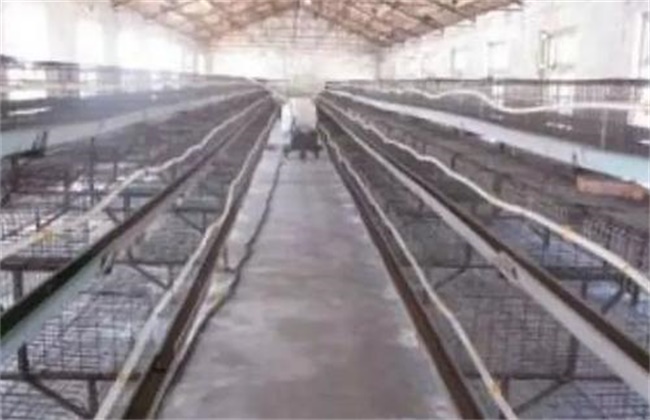
1. Cleaning and washing
Clean out the eggs and leftover feed from the empty coop, move the tools in the chicken coop that can be moved outside to keep them moist, and sweep the floor, cage bottoms, roof, walls and windowsills to remove debris. Then use a high-pressure water gun to rinse the feeding utensils that were moved out. After rinsing clean, place them in a designated position for later use. For washing the chicken coop, generally clean from top to bottom in sequence. After rinsing, remove the dirt completely. In winter, promptly pump out the sewage from the manure outlet and manure ditch.
2. Soaking the water line
Soaking the water line helps kill various pathogenic bacteria in the water line. Disinfectants such as peracetic acid and hydrogen peroxide can be chosen for soaking, generally for 24 hours. After soaking, backflush the water line. Each layer must be soaked step by step. To avoid injury to personnel, protective measures must be taken when adding the medicine to prevent burns.
3. Spray disinfection
Spray disinfection can kill most bacteria, viruses and fungi in the chicken coop. For spray disinfection, disinfectants such as povidone-iodine, quaternary ammonium salts and chlorine preparations can be chosen. The disinfectant should be prepared fresh before use. When preparing, follow the instructions and mix the concentration correctly. Once the disinfectant solution is prepared, disinfection can begin. Disinfection should proceed from back to front, that is, from the inside of the chicken coop outward, and in the order of roof beams, walls, then cage frames layer by layer, and finally the floor. After spraying, the keeper should add clean water to the water storage bucket to rinse, and after rinsing, remove the sewage completely.
4. Fumigation disinfection
Fumigation with methanol can kill bacterial vegetative forms, spores, fungi and viruses in the chicken coop, and has the widest disinfection coverage. Generally, use 15-30 milliliters of methanol per cubic meter. Fumigation is affected by temperature and humidity. The temperature must be higher than 25 degrees, and the relative humidity should be 80%. Once these conditions are met, disinfection can be carried out directly. If the humidity is less than 80%, water can be sprinkled on the floor before disinfection. Before fumigation, close doors, windows and vents, and seal the entire chicken coop with plastic film to ensure a good disinfection effect. After doing this, the workers leave the chicken coop and seal it for fumigation for 48 hours. After fumigation, open the doors, windows and vents until there is no odor in the chicken coop.
The above is an introduction to how to carry out thorough disinfection of laying hen houses during the empty period. I hope it can help you. To learn more related knowledge, please keep following us.