What to Do About Salt Poisoning in Chickens? First Aid and Treatment Methods
Salt is one of the indispensable components of a chicken's diet, but excessive salt intake or continuous salt consumption can lead to salt poisoning, which is a disease of central nervous system impairment, essentially sodium poisoning. It can be divided into chronic and acute types, so what are the symptoms of salt poisoning in chickens? What should be done? Let's find out together.
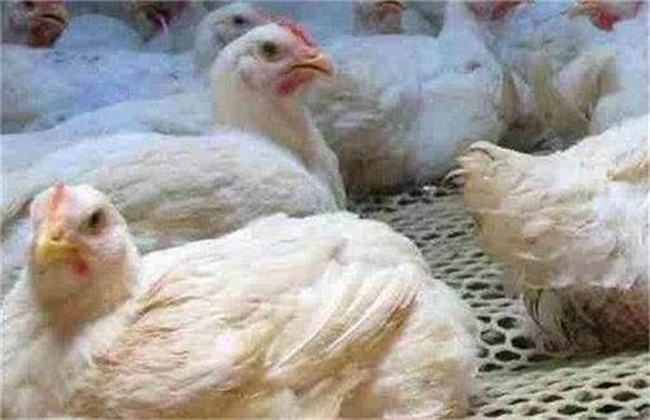
1. Causes of Poisoning
Salt is an essential nutrient in a chicken's diet, and together with amino acids and vitamins it maintains normal body activities. When fed in appropriate amounts in feed and drinking water, it can increase appetite and promote growth. Under normal circumstances, the amount of salt added to feed is 0.25%-0.5%. When chicks drink water with a salt concentration exceeding 0.5%, they can die, and when the salt concentration in drinking water exceeds 0.9%, the mortality rate reaches as high as 100%. Once 5%-10% salt is added to feed, it can cause poisoning. In addition, a deficiency of other nutrients in the feed, such as vitamins, calcium, magnesium, and amino acids, can also increase sensitivity to salt poisoning.
2. Symptoms of Poisoning
When the salt content in feed reaches 0.7% for chicks and 1% for adult chickens, it causes obvious thirst and feces with the highest water content. If the salt content reaches 1% for chicks and 3% for adult chickens, it will cause poisoning and death. Salt poisoning in chickens varies in severity, depending on the amount of salt ingested and the duration. For example, in mild poisoning, the manifestations are increased drinking, thin feces, or feces containing watery fluid; in severe poisoning, the chickens are listless, completely lose appetite, drink water incessantly, and some may also show mucus discharge from the mouth and nose, diarrhea, unsteady gait or paralysis, and in the later stages, coma and difficulty breathing. Sometimes neurological symptoms appear, such as head and neck bending, chest and abdomen facing upward, lying on the back and struggling, and finally dying from exhaustion.
3. Prevention and Treatment Methods
First, strictly control the amount of salt used. Chickens have poorly developed taste and cannot distinguish salt, so special attention should be paid when feeding chicks, and sufficient fresh drinking water should normally be provided. For chickens with salt poisoning, immediately stop feeding feed with high salt content. Mildly and moderately affected chickens can be given sufficient drinking water, and symptoms will improve. For severely affected chickens, drinking water should be appropriately controlled, because drinking too much water promotes salt absorption, worsening symptoms and increasing mortality. Generally, let them drink water for 10-20 minutes per hour.
The above is an introduction to what to do about salt poisoning in chickens. We hope it can help you. To learn more related knowledge, please stay tuned to us.