Analysis of the Causes of Lameness in Dairy Cows and Prevention Methods
Lameness in dairy cows has a major impact on dairy farming, not only reducing production but also affecting the cows' health, and there are many causes of lameness in large dairy cows, so observation during farming is important for early detection and early prevention. Below, the editor brings you the causes of lameness in dairy cows and prevention methods, let's take a look.
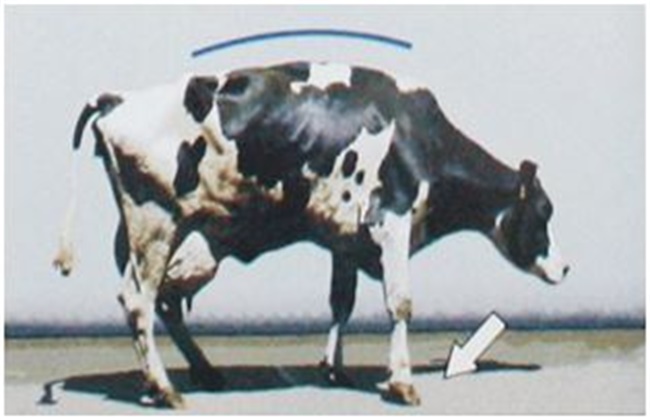
I. Causes of Lameness
1. Congenital deficiency
Congenitally underdeveloped legs and hooves in dairy cows often lead to a relatively high incidence of lameness, and it can be further worsened by management and environmental factors.
2. Poor environment
Lameness in dairy cows may also be caused by a poor environment, especially the type of barn and the flooring; regardless of the barn type, it is essential to ensure the cows have sufficient space to move and rest, as lameness often occurs in overly crowded barns, so careful observation is necessary at ordinary times for early detection and early improvement.
3. Improper management
During rearing, many farmers only take measures when a problem is found or has already appeared, but by then the problem is already fairly serious and relatively difficult to solve, so regular inspections and good preventive measures are essential.
4. Disease
Many diseases can also cause lameness in dairy cows, such as foot rot; the key point is to keep the hooves clean before and during antibiotic treatment, and a common mistake is improper hoof cleaning, such as soiling the hooves again after cleaning or cleaning for too short a time, failing to allow full contact between the hooves and the disinfectant.
5. Nutrition
The growth of dairy cow hooves is affected by trace elements, especially zinc; adding zinc to the diet can reduce the incidence of lameness by 24%, and for lameness caused by other trace elements, supplements can also be given, generally about 3 grams of zinc per cow per day. Protein in the diet can also cause lameness, producing toxins in the blood similar to acidosis.
II. Prevention Methods
Aiming at the possible causes of lameness in dairy cows, carry out good preventive measures, determine the incidence of lameness, understand the losses caused by lameness in rearing, and formulate solutions. For cows with congenital deficiencies, cull them in time; dairy cow barns must be spacious with sufficient time and space for activity and rest; adjust the diet, especially by using rapidly fermentable carbohydrates and highly effective fiber to avoid the occurrence of acidosis as much as possible. Attention should be paid to the addition of trace elements in the diet to ensure a balanced diet and meet the nutrients the cows need in production; barn hygiene must be well maintained, with manure cleaned on time every day and regular disinfection to inhibit the reproduction of bacteria and pathogens and reduce the probability of disease occurrence.
The above is an introduction to the causes of lameness in dairy cows and prevention methods, hoping it can help you; to learn more related knowledge, please stay tuned to us.