Which situations in ewes require timely culling
Sheep farming is one of our main livestock breeding projects, and different breeds of sheep are raised in various regions across our country. The breeding area is also very extensive. If you want to improve breeding efficiency when raising sheep, then you must improve the quality of the flock. Ensuring the flock's production and reproductive capacity is the key. Therefore, when raising sheep, we must do a good job in culling sheep. So which sheep should be culled in time? Let's take a look together below!
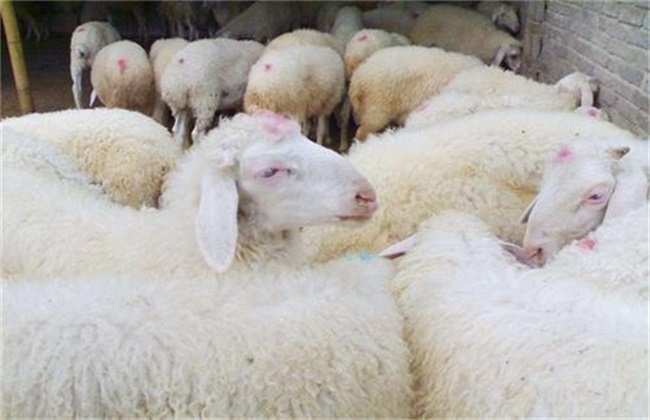
1. Old ewes
The reproductive period of ewes has certain limits. Usually, if the age exceeds about 5 years or the number of births reaches 7, then their reproductive capacity will basically decline significantly. If breeding continues, the costs incurred will not bring corresponding returns. Not only is production capacity insufficient, but they also consume too much feed, leading to increased breeding costs. Therefore, we should cull such ewes in time, make a good culling plan, carry out replacement, and improve the overall production quality of the flock.
2. Estrus disorders
Estrus is the most important link for ewes. Ewes that do not come into estrus or show no obvious signs of estrus should also be culled in time. However, for those with indistinct estrus, we can appropriately induce estrus, but if estrus induction is still unsuccessful, then they should be culled in time, because such ewes cannot reproduce and cannot bring benefits. Continuing to feed them will only increase costs, so we should not be soft-hearted with these sheep either, and they need to be removed immediately.
3. Sheep with poor constitution
Sheep with poor constitution generally do not have very strong reproductive capacity, especially sheep that have had production-related diseases such as uterine prolapse and vaginal prolapse. Their production capacity has completely declined, and they cannot survive. Even if they can reproduce, the growth capacity of their lambs will be very poor. Then there are the ewes that frequently miscarry or give birth prematurely, which should also be culled in time. The lambs produced by these ewes are very weak in constitution and often have various problems, such as hindered fattening, weak constitution, and frequent illness.
4. Poor reproductive capacity
When raising sheep, a robust and high-quality ewe can usually give birth about twice a year. And each litter should have at least two or more lambs. If it is lower than these figures, then the benefits created and the costs paid are basically offset. Therefore, ewes with poor reproductive capacity should also be culled in time. Then there are some ewes that produce little milk, do not nurse, and bite lambs, all of which are not suitable for continued breeding.
5. Improper body condition
Sheep farmers attach great importance to the body condition of sheep. Reasonable fattening can of course effectively improve breeding efficiency. However, there must be a limit when fattening, and sheep must never be allowed to become excessively fat. If sheep are too fat, it will seriously affect their reproduction. Being too thin is certainly not good either, and it will likewise affect the growth performance of the sheep. Therefore, when breeding, we must do a reasonable job of fattening, and sheep with improper body condition should also be culled in time.
The above is a brief introduction to which ewes should be culled in time. The culling of ewes is closely related to breeding efficiency, so when breeding, we must pay attention to doing these tasks well so that we can effectively expand the benefits. That is all for today's introduction. This article is for reference only, and I hope it can help everyone!