Causes and Prevention Measures of Soft Leg Disease in Laying Ducks
In the process of raising laying ducks, a disease called soft leg disease, also known as duck paralysis, can occur. It can affect ducklings, growing ducks, and adult ducks, and it is especially likely to occur during the spring laying period. Once it happens, the egg production of female ducks drops sharply, seriously affecting their productivity. So what causes soft leg disease in laying ducks? How should it be prevented and treated? Let's take a look together.
1. Causes of the disease
The main cause of soft leg disease in laying ducks is a damp site and poor ventilation in the duck house, especially for ducks raised indoors, kept in an environment with little sunlight, with insufficient exercise, a relatively high stocking density, and inadequate nutrition in the daily ration. A severe lack of mineral elements, especially an improper calcium-to-phosphorus ratio, or a deficiency of vitamin D can all trigger this disease.
2. Clinical symptoms
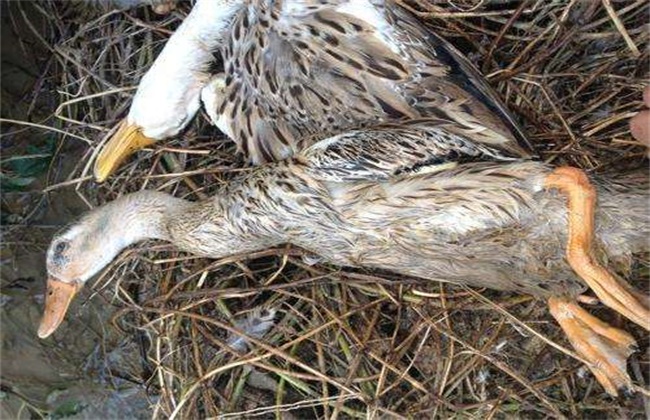
Once a laying duck develops soft leg disease, its egg production drops sharply, with symptoms including listlessness, loose feathers, swollen leg joints, inability to walk normally, unsteady waddling, inability to stand, and inability to lift its head. In severe cases, the duck often rests on its hock joints or supports itself on both wings. Over time, long-term contact and wear on the hock joints and both wings cause serious abrasion, leading to inflamed wounds or infection. The legs become paralyzed due to poor blood circulation. Eventually, the laying duck loses the ability to walk and forage, and if treatment is not started promptly, further worsening of the condition can lead to death.
3. Preventive measures
To prevent soft leg disease, first keep the duck house dry and well ventilated, and provide a daily ration with balanced nutrition. Add an appropriate amount of mineral supplements to the feed, as well as sufficient green feed, vitamin D, or cod liver oil. Good hygiene in the duck house should also be maintained: clean up manure promptly every day and carry out regular disinfection to prevent pathogens from invading.
4. Treatment methods
In the early stage of soft leg disease in laying ducks, intramuscular injection can be used for treatment, generally injecting calciferol colloidal calcium. For adult ducks, inject 1-2 milliliters each time, once a day, and they can recover in 2-3 days. If you lack experience, it is recommended to have a veterinarian perform the procedure. You can also feed sugar calcium tablets containing calcium hydrogen phosphate and vitamin B tablets, which have a good effect; give them continuously for several times. For laying ducks with more severe conditions, there is no treatment value, and they should be culled promptly.
The above is an introduction to the causes and prevention measures of soft leg disease in laying ducks. I hope it can help you. To learn more related knowledge, please stay tuned to us.