Key Technical Points and Scientific Feeding Management Methods for Water Duck Farming
Ducks are a common poultry meat animal raised in China, with a long history of farming. Many experiences have been accumulated in various aspects of farming, and the farming techniques have matured. There are many kinds of ducks, but not all breeds can be widely farmed, so today we will only discuss the farming of the more common water duck. For specific guidance, please refer to the following content.
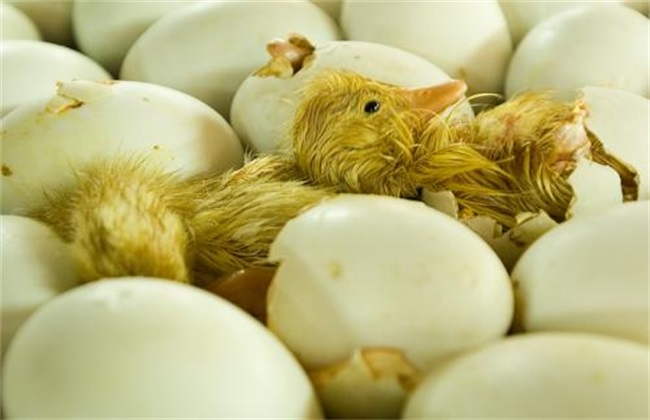
I. Seed Selection
There are different kinds of ducks, and water ducks also have many different breeds. When selecting, choose not only those that can be raised in water, but also those that can adapt to dry land without going into water. High-quality individuals are mostly characterized by glossy feathers, no feather loss, bright eyes, normal foot color, and being strong and vigorous.
II. Site Selection and Shed Building
Generally, water duck farming involves free-range rearing during the day and driving them back to the shed to rest at night. Therefore, the farm should be chosen in a place close to a water source with a large flat open area and convenient drainage. Generally, a shed can be built on a gentle slope above the riverbank in the lower reaches of a river. A shed can also be built at the foot of a hillside far from villages, or ponds can be built in rice fields for free-range rearing. It is best to have an orchard nearby for resting and foraging.
1.The stocking density should be determined according to the size of the ducks and the farming site, but generally if the site is spacious, about 300 ducks can be stocked. The riverbank, water surface, and other areas can be divided into several zones for separate rearing to prevent stampedes. Some food and drinking water need to be placed in each zone, and the ducks can forage freely on the water surface. Special attention must be paid to keeping ducklings warm, maintaining the temperature between 20 and 30 degrees. If there is a sudden drop in temperature, a stove can be used for heating.
2.As for feed, water ducks have omnivorous requirements. Generally, vegetables, sweet potato vines, sweet potatoes, and fine feed made from cornmeal can be fed. Ducklings can be kept in pens, mainly eating a small amount of fine feed and drinking a small amount of water. Feeding twice a day is enough; do not overfeed, to avoid overeating and death from indigestion. During normal growth, combined feed can be given three times a day, or feeding can be adjusted according to how full the ducks are from foraging outside. After ducklings have finished molting and are developing normally, they can go through training before entering the free-range stage.
3.During free-range rearing, attention must be paid to wild cats, domestic dogs, and small animals secretly preying on ducks. Especially for ducklings, they must be raised in concentrated areas with protective fencing. Each zone needs to be enclosed with sturdy, dense wire mesh.
4.When raising poultry, great attention must be paid to preventing epidemics. The most important thing is to prevent diseases from occurring. Once they occur, they spread so quickly that there is no time to react. Every epidemic prevention measure must be fully implemented, and various vaccines must be received regularly. If another farm has an outbreak, you should immediately administer medication for prevention. Clean the shed every day and clean the free-range area in real time. Feeding and drinking utensils must be cleaned and disinfected on schedule. Each site can be sprayed with medication for disinfection and sterilization.
In the process of water duck farming, attention must be paid to treating the two stages of brooding ducklings and normal growth differently. No small detail can be neglected during the farming process. It is believed that in this way, water ducks can basically be raised well.