Solutions for the decline in pig feed intake in summer
In summer, the high heat is exactly the period when pathogens multiply in large numbers and bacteria and viruses spread. At this time, pigs generally show a decline in feed intake, and the pigs have no constipation, diarrhea, fever or coughing, which gives pig farmers a real headache. So what causes pigs not to eat in summer? Let's take a look.
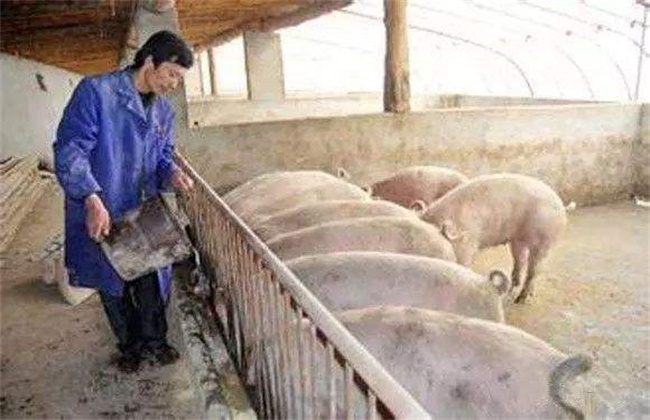
I. Causes of the decline in feed intake
There are many reasons for the decline in pig feed intake. First, summer is hot, and pigs have good subcutaneous fat, so their heat-dissipation function is weakened, which easily causes gastrointestinal discomfort in pigs, and excessive gastric acid secretion leads to a decline in appetite. In addition, the breeding density is too high, and the rearing environment in the pig house is poor, causing stress in the pig herd and leading to anorexia or refusal to eat. Another reason is moldy and spoiled feed; long-term consumption causes poisoning in the pig herd. Some feeds are made by reprocessing moldy feed for sale, or when mixing feed, if the feed is not eaten up, the piled feed will become moldy on the ground, and after the pig herd eats it, poisoning will occur, leading to a decline in feed intake or refusal to eat.
II. Solutions
1. Sufficient drinking water
The drinking water volume of pigs in decline is much greater than usual, so you should often check whether the drinking water is sufficient and whether the water trough is clean and free of dirt, and ensure sufficient clean drinking water as soon as possible to promote the appetite of the pig herd.
2. Do a good job in sanitation and disinfection
The manure in the pig house should be cleaned 1-2 times a day, and disinfected regularly once a week to reduce the reproduction rate of pathogens and bacteria. People and vehicles entering and leaving should be disinfected before entering.
3. Reduce breeding density
In order to facilitate heat dissipation of the pig herd, the rearing density of the pig herd should be appropriately reduced, and the area occupied per pig should preferably be 1.5-1.5 sq m, so that heat dissipation is appropriately faster, the gastrointestinal function of the pigs operates normally, and appetite will naturally recover.
4. Cooling and heatstroke prevention
Before high temperatures arrive, a layer of sunshade net can be laid on the roof of the pig house to improve the roof's heat insulation. Electric fans and air coolers can be installed inside the pen to lower the temperature of the pig house, and if conditions permit, a water curtain can be used, which has a better cooling effect.
5. Adjust feeding time
In summer, when temperatures are high, feeding time can be appropriately adjusted to feed in the morning and evening, avoiding the high-temperature period at noon. This can reduce the activity of the pig herd, and because the temperature in the morning and evening is lower, the appetite of the pig herd is better.
6. Keep feed fresh
High heat plus a high-humidity environment makes feed extremely prone to mildew, which not only affects the palatability of the feed but also causes poisoning in the pig herd. Therefore, in summer, keep the feed as fresh as possible to avoid mildew and spoilage. Residual feed in the trough should be removed in time, and it should be cleaned promptly after each feeding, so as to avoid the pigs accidentally eating moldy feed and becoming unwell.
The above is an introduction to what to do when pigs' feed intake drops in summer. We hope it can help you. To learn more related knowledge, please stay tuned to us.