What aspects should be noted when raising sheep? A comprehensive analysis of the key breeding points
Sheep is a very popular meat product in China, and the scale of sheep farming in China is also very large. Nowadays, whether it is wool or mutton, the market is very large, so the ranks of sheep farmers are expanding year by year. However, when raising sheep, there are many aspects that sheep farmers need to pay attention to. So today, the editor brings you some aspects to note when raising sheep. Let's take a look below!
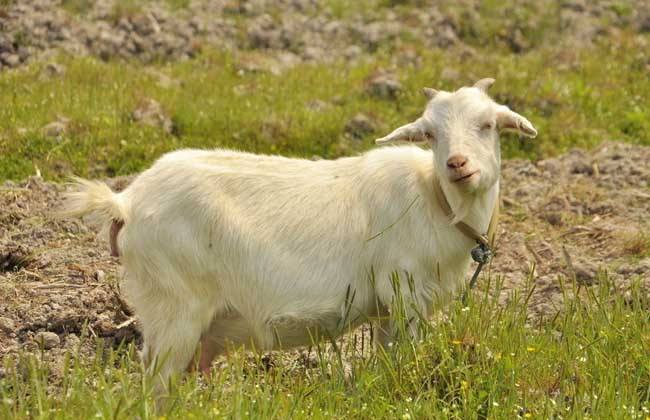
1. Self-breeding and self-raising
When raising sheep, many sheep farmers, when expanding their breeding area, choose to buy breeding sheep from outside for raising. The current market price of breeding sheep is relatively high, and buying breeding stock from outside will increase breeding costs. Moreover, it cannot guarantee the health of the breeding sheep; weak growth capacity and insufficient breeding benefits are all major problems. So if there were ewes in the flock before, it is best to carry out self-breeding and self-raising. This can not only reduce breeding costs but also improve the overall quality of the flock.
2. Improvement through crossbreeding
When retaining breeding stock, the quality of the breeding sheep is very important, as it determines the overall growth capacity of the flock and is also closely related to breeding benefits. Usually, local sheep breeds grow relatively slowly and have a low meat production rate. If local sheep are raised, the economic benefits will be very low. However, if local ewes are crossbred with excellent breeds such as Dorper sheep and Boer goats, growth capacity can be significantly enhanced and breeding benefits expanded.
3. Epidemic prevention and pest elimination
Epidemic prevention and pest elimination are work that we need to focus on doing well when raising sheep. If vaccines are not given and parasites are not expelled after purchasing breeding stock, the sheep's disease resistance will be reduced and the incidence of disease will increase. This will hinder the sheep from gaining weight, cause them to become increasingly thin, and in severe cases even lead to death. Therefore, when raising sheep, we must do a good job in epidemic prevention according to the sheep epidemic prevention procedure, at least twice a year, and then do a good job in deworming during seasons with a high incidence of parasites such as spring and autumn.
4. Disinfection of sheep sheds
Disinfection of sheep sheds is also an indispensable management task when raising sheep. When disinfecting sheep sheds, it must be ensured that it is comprehensive and thorough. In addition, various items that sheep can directly contact, such as water troughs and feed troughs, must also be disinfected. Regularly clean up the excrement in the sheep shed and control the entry and exit of people and vehicles in the sheep shed. When entering the sheep shed, people and vehicles should also be disinfected to reduce pathogens and lower the incidence of disease in sheep.
5. Other aspects
When feeding sheep, attention should be paid to appropriately adding additives and other drugs to the sheep feed. If only forage is fed, it will seriously hinder the growth of sheep, and their weight-gaining speed will also drop significantly. Finally, when the sheep grow to about 20kg, attention should be paid to timely marketing. Because after reaching this size, the sheep's weight-gaining and growth speed will drop significantly. Continuing to feed them will only consume too much feed and increase breeding costs.
The above is a brief introduction to what aspects to note when raising sheep. There are many places to pay attention to when raising sheep, such as the selection of breeding sheep and feed formulation. These are also management tasks that we need to do well in breeding. That is all for today's introduction. This article is for reference only, and we hope it can be helpful to everyone!