How Are Black Pigs Farmed? A Detailed Explanation of Methods and Key Technical Points
Compared with ordinary pigs, black pork contains more protein, amino acids and other nutrients. It is pork that has sold very well on the market in recent years. It meets modern people's dietary needs and may perhaps replace our country's ordinary pork market in the future. At present, farming has already begun to be promoted in many areas with good environmental conditions, so let's take a look at what needs to be done to raise black pigs well.
I. Building the Pig Farm
Pig farms are generally built on hillsides with high terrain, a dry environment and convenient water sources, far away from residential areas. The pig pens should be 3 m in height. The floor must be a cement floor, which makes cleaning easier and prevents other small animals from intruding. Enough windows must be opened on all sides for ventilation. A sewage discharge channel should be set up outside, and an open-air pen should be built outside, connected to the pig pen.
II. Selecting Breeding Stock
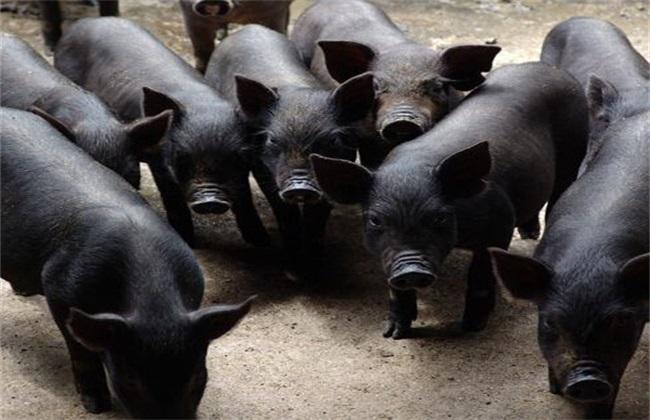
Buy piglets from a licensed farm: healthy, with strong limbs, normal hair, good spirits, 6 to 7 months old, well developed, and weighing about 20 jin.
III. Feeding
When breeding stock is brought into the pig farm, it must be isolated and disinfected to prevent disease. After being raised separately for one month, they are put into the collective pig pen. Pigs bought from different farms should be fed separately. Generally, a pig pen of 5 sq m holds 3 to 5 piglets. After long-distance transport, they need a short buffer period; on the first day, feed them a little less, and drinking water also needs to be controlled. Observe whether they adapt to the environment, whether there are stress reactions, and whether they are used to the prepared feed. This can also prevent overeating. Afterwards, the feed can be prepared according to the piglets' preferences, gradually increasing the feeding amount and the number of feedings. Generally, after one week, feed them twice a day under normal conditions, adding a small amount of concentrated feed. Water is supplied normally all day without restriction. Black pigs generally eat coarse grains such as corn, grain chaff, wild grass and sweet potato, which can be freely combined and prepared according to their growth conditions. Piglets need to be fed some fine cornmeal plus concentrated feed. During the growing and fattening period, they need a large amount of food and drink, and a large amount of coarse grain crops can be fed. At other times, the feed can be prepared freely. Sick pigs or pigs with poor development can be fed according to the piglet feeding method.
IV. Points to Note
Each pig pen needs a daily record of the pigs' drinking water and diet, and changes in environmental humidity and temperature. Ventilation and air exchange should be carried out according to the indoor air and outdoor conditions. The pig farm needs to be equipped with cleaning equipment for washing feed, cleaning the site and sewage treatment. A disinfection pool should be set up at the entrance, and all personnel entering and leaving the pig farm must wear work clothes and undergo disinfection treatment.
Apart from being different from ordinary pigs in appearance and meat quality, black pigs actually have relatively stronger disease resistance and adaptability. If you are going to raise pigs, there is no reason not to choose the higher-quality black pigs for farming.