Detailed Explanation of Grass Carp Breeding Methods and Technical Key Points
Grass carp is one of our common edible fish and a common major species in aquaculture. It is highly nutritious and mainly feeds on small plants and plankton. How to breed fry is something every farmer should learn and understand. Breeding is the prerequisite for reducing costs and increasing yields. So next, let us talk about how to breed grass carp.
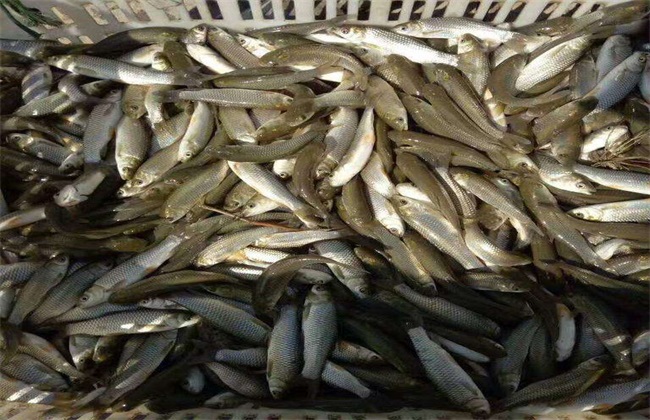
1. Selecting Brood Fish
First, select healthy brood fish with normal body color, luster, and no damaged or missing scales, and individuals that have reached sexual maturity, to serve as the fish used for that year's production. Brood fish that have not yet reached sexual maturity are kept for the following year's breeding. When selecting brood fish, there need to be somewhat more males than females, which is beneficial for breeding.
2. Brood Fish Cultivation
The parent fish cultivation pond should be located near the spawning induction pond, with convenient drainage and irrigation. Before stocking, the pond should be dried in the sun for 3 to 5 days, and if necessary, disinfectant agents should be used for treatment. About 2000 kg of brood fish are stocked per hectare of pond. To provide food for the brood fish, some miscellaneous fish and small fish can be stocked in the water. Grass carp mainly feed on grasses of the Gramineae family and some aquatic plants. Next are various grains and artificial compound feed. Normally, some bean cake and grasses can be provided for them to eat.
3. Spawning Induction of Brood Fish
Brood fish must have reached maturity for spawning induction. In mid-April, a seine net can be used for inspection. For those with poorer maturity, based on individual size and maturity condition - for poorer maturity, based on individual size and maturity condition - male fish will have semen flow out when the abdomen is pressed, which will quickly disperse in water; female fish will have a larger abdomen that is soft and elastic, with fewer scales. The most suitable water temperature for spawning induction is 25-30 degrees. Brood fish can be injected with pituitary gland, chorionic gonadotropin, or luteinizing hormone-releasing spawning agents to promote ovulation, or they can be left to mature and ovulate on their own.
4. Hatching
Set up a hatching area, and flowing water hatching can be used. Generally, 5000 eggs are placed in a one-cubic-meter pool. Different water temperatures result in different hatching times. Generally, the best temperature is between 25 and 30 degrees, and they may hatch in one and a half days. After hatching, within 3-5 days, the yolk of the fry is completely absorbed, and they can be put into the pond to start feeding.
Breeding grass carp fry mainly involves selecting suitable brood fish, breeding them in a good environment, grasping the fish's ovulation maturity period, and following standardized hatching operations. There are also some issues that need attention based on actual conditions. The above content can serve as a reference for everyone.