What are the tilapia farming models? A detailed explanation of common farming methods
Tilapia is a fish we commonly eat in daily life, and its farming area in China is very large. Tilapia also tastes very delicious, and no matter what cooking method is used, it can retain its fresh flavor. Moreover, tilapia is rich in protein and various vitamins, so the farming area for tilapia is now growing larger and larger. So how should tilapia be farmed? What farming models are there? Let's take a look below!
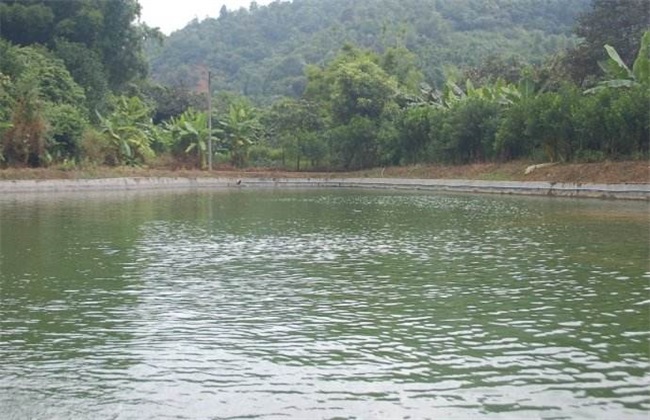
1. Pond farming
Pond farming is the most common farming model for tilapia. First, choose a place that is sheltered from the wind and faces the sun, with sufficient water, and that is quiet and pollution-free. Control the pond area according to the farming quantity, thoroughly disinfect the pond, add mud, then apply sufficient farmyard manure, and equip it with various farming equipment such as aerators. When the spring temperature stabilizes at around 15°C, fry can begin to be released. Generally, the stocking quantity of tilapia should be controlled at around 2,000, and then a small number of silver carp, etc. should be polycultured. Then do a good job in feeding management, observe the growth of the fish, and do a good job in various basic tasks such as water changing, disease prevention and aeration.
2. Rice field farming
Rice field farming is also a relatively common farming model in rural areas now. First choose the rice field well, then after the rice field work is completed, thoroughly disinfect the field plots half a month before releasing the fry, and cultivate fertilized water one week earlier to promote the growth of natural feed. Then, about one week after rice transplanting, the fry can be released. The fry should be selected as robust, highly active, uninjured, and not too different in size. Control the stocking quantity according to the rice field environment, and also disinfect the fry before release. After release, do a good job in management. Under normal circumstances, basically no bait feeding is needed, and they can usually be grown by the time the rice is harvested.
3. Cage farming
Cage farming is a fish farming model that has emerged in recent years. When tilapia is cage-farmed, it can be raised alone or polycultured. Unlike pond and rice field farming, the fish species used in cage farming should maintain a relatively large size, because the growth space for tilapia in cage farming is relatively small. Therefore, the size of the fish species should be maintained at around 30 g, and then sufficient dissolved oxygen must be ensured, because in cage farming, tilapia cannot surface to breathe. Finally, what must be well controlled is the farming density. It must not be too dense, otherwise it will affect the survival rate of tilapia.
4. Flowing water farming
Flowing water farming is also one of the main models for industrial tilapia farming. The farming pond for flowing water farming must not be too large, generally controlled at around 40 sq m, and the oxygen content in the water should be kept as consistent as possible with that of cage farming. What differs from other farming models is that in flowing water farming, the choice of bait is very important, and complete formula feed should be the main type. The protein content in the bait must not be lower than 3/10. Then feed at least 5 times a day, and the feeding amount depends on the body weight of the tilapia. It should not be too much, and residual bait should be removed in time to avoid spoilage affecting the growth of tilapia.
The above is a brief introduction to several tilapia farming models. There are many farming models for tilapia, and each farming model has different advantages and disadvantages, mainly determined by factors such as everyone's farming habits and environment. That is all for today's introduction. This article is for reference only, and I hope it can help everyone!