Key Technical Points and Feeding Management Methods for Turtledove Farming
The turtledove is a migratory bird that used to be quite common, but due to hunting and environmental destruction, its numbers have become increasingly scarce. Currently, it is farmed artificially in many regions. The common turtledove species in China is the Oriental turtle dove. It has good flavor, high nutritional value, and also considerable ornamental value. So how should turtledoves be farmed? Come and take a look at turtledove farming techniques with the editor.
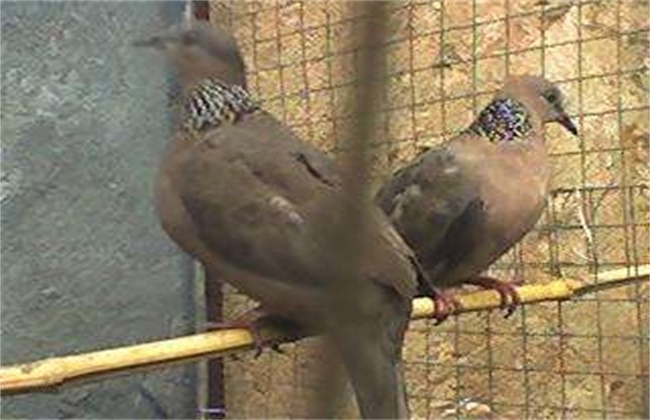
1. Site Construction
To farm turtledoves, the first step is to build the farming site. You should choose a well-ventilated, dry, high-lying sunny slope to set up elevated mesh cages. The area of the mesh cage is generally 40-60 sq m, with a height of about 3 m. It can be built with bamboo and plastic mesh. Inside the mesh cage, build a bird shelter about 1 sq m in size for the turtledoves to rest and to provide shade and shelter from rain. The mesh cage for breeding birds should be about 2 m above the ground and can be built with bamboo and branches to facilitate egg laying.
2. Breeding Bird Reproduction
First, select birds that are larger in size, robust in growth, free of disease, and over 10 months old as breeding birds. Use the breeding birds separately. During feeding, add more protein, calcium, and other substances to the feed to facilitate egg laying and reproduction. Wild turtledoves generally lay eggs and reproduce in autumn. In artificial farming, female turtledoves can be injected with estrogen to promote estrus and egg laying. After laying, collect the eggs and place them in an incubator for artificial incubation. Adjust the temperature and humidity in the incubation room well to ensure the hatching rate.
3. Chick Rearing
When chicks have just hatched, their resistance to the external environment is weak and their own body temperature regulation ability is poor, so heat preservation measures should be done well, and they should be given water and food in time. Generally, a very low-concentration potassium permanganate solution is chosen as the first drinking water. After 6-8 hours from hatching, the chicks will forage on their own. At this time, it is best to choose small-volume, easily digestible foods such as millet or broken rice as feed. Chick pellet feed can also be used to facilitate digestion and absorption. After one week, various plant seeds such as barnyard grass and paddy rice can be appropriately added to promote their growth.
4. Disease Prevention and Control
Artificial turtledove farming has a high density, making them highly susceptible to disease, so sanitation work must be done well in the farming site. Regular disinfection and sterilization should be carried out, and excrement and other waste should be cleaned up in time. At the same time, epidemic prevention work should be done well. Once disease is found, isolation measures should be taken promptly for the affected turtledoves, and then disinfection should be done well for the turtledoves in the mesh cage to prevent the spread of the disease. For turtledoves that have already died of disease, harmless treatment should be carried out, either deep burial or burning.
The above is an introduction to turtledove farming techniques. We hope it can help you. If you want to learn more related knowledge, please keep following us.