What are the precautions for silver carp farming? Keep these key points in mind
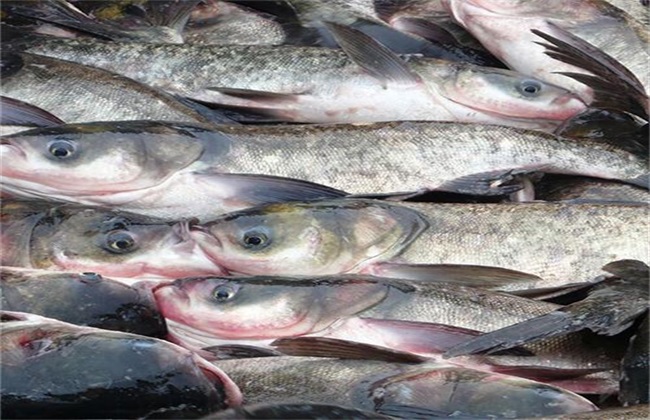
Silver carp farming is a type of aquaculture commonly found in all regions of our country, with a very wide distribution range. At the same time, it is also a aquaculture project that many rural areas use today to become wealthy through farming. Silver carp has the advantages of being easy to farm, fast growth, high reproduction efficiency, and low farming cost, but despite this, many people still fail at farming. Why is that? It is mainly because many problems were neglected during farming, which led to farming failure. So let us now look at several precautions for farming silver carp that the editor has put together for everyone.
1. Pond cleaning
Before farming, we first need to clean the pond used for farming silver carp. Generally, this means removing the excess sludge from the pond, keeping only 20 cm thick. Then spread quicklime for disinfection. After disinfection is complete, drain the water and then dry the pond. The pond drying time is generally about ten days. Finally, refill with new water and pour sufficient farmyard manure into the pond to cultivate nutrient-rich water and increase the content of plankton in the water body, providing food for the silver carp.
2. Fry selection
The selection of silver carp fry is the basic condition of farming cost, so we should choose high-quality silver carp fry. So what kind of silver carp fry is high quality? Generally, we choose the fry according to the silver carp variety selected for farming. For example, for silver carp and Changfeng silver carp, choose fry that are active, good in appearance, robust, free of injuries, and with complete fins. For bighead carp, choose fry that are mild, in good feeding condition, and robust. There is also one more point to note: the size of the fry must be uniform, neither too large nor too small.
3. Stocking density
Before stocking, we need to carry out trial stocking and disinfect the fry, and this is also a very critical point. After the trial stocking succeeds, carry out fry stocking according to a reasonable density. Generally, one mu of pond can farm 150,000-200,000 silver carp fry, but after the fry grow, we still need to carry out proper group farming, otherwise the oxygen in the water body will not be enough to supply so many silver carp, and silver carp is also a fish species extremely intolerant of low oxygen. In the later stage, generally about five thousand silver carp are farmed per mu.
4. Water quality management
In fact, we see that many silver carp farms basically do not change the water all year, but the yield and quality of silver carp farmed this way are not very high. Farming silver carp actually also requires changing the water, but generally the water is changed about once every month, and in winter it is generally changed only once every three months. However, when farming, we must pay attention to the oxygen content in the water body and always prepare oxygen supply machines or oxygen-increasing agents. Also pay attention to the water temperature: in summer, appropriately raise the water level, and in winter, appropriately lower the water level. Finally, ensure the fertility of the water body. Generally, remember to fertilize after each water change.
5. Feeding management
Silver carp mainly feeds on natural plankton, so cultivating plankton in the water body during farming is very important. Next, we also need to properly feed some concentrated feed, such as yellow mealworms, red worms, earthworms, and other finely processed feed. Feed feeding must be diversified; feeding a single feed may cause malnutrition. Also, do not change the feed frequently, and the replaced feed must meet the growth needs of silver carp. Finally, feed the amount of feed at a fixed time and in a fixed place according to the growth of the silver carp, weather changes, feeding conditions, and so on.
That is all for the precautions for silver carp farming that the editor wants to introduce to everyone today. I hope everyone will pay attention to these details in future farming. Is there not an old saying in China, “Details determine success or failure”? So everyone must pay attention.