What are the precautions for caging laying hens? Don't overlook the key details
In raising laying hens today, we generally use cage housing, as this can provide the hens with a relatively healthy and safe production environment, thereby improving their egg-laying capacity. Using cage housing can also reduce the spread and infection of diseases and makes management more convenient. When moving laying hens into cages, the operation must be done correctly; mistakes in handling will affect the hens' production. So what issues do we need to pay attention to when caging laying hens? Let's take a look below.
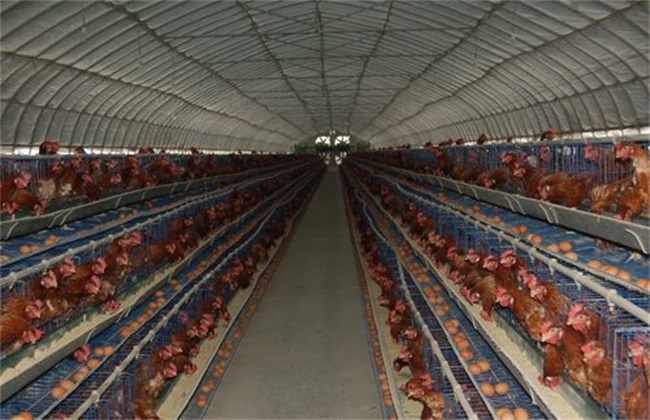
1. Age for caging
The best age for caging laying hens is generally the period from 13 weeks to 18 weeks of age, as this best ensures that the body weight of the young laying hens is at the normal standard, while also improving their egg-laying rate during the rearing process. We should note that the latest caging time should not be later than 20 weeks of age; and when the flock is growing well, we can also continue caging at 60 days of age. When caging, we also need to group and cage the laying hens in batches according to their different growth conditions.
2. Facilities and equipment
After the laying hens are caged, we still need to ensure their original growing environment, otherwise this will also affect their growth and production. Before caging, we need to prepare the corresponding rearing equipment and install various rearing facilities; in addition, these facilities and equipment must undergo strict inspection and replacement to avoid problems arising in the later rearing process.
3. Catching chickens scientifically
When caging laying hens, we must be scientific, the commotion must not be too great, we must be gentle and light-handed, and we must not use excessive force. Never alarm the flock, otherwise it will cause an overreaction, which has a very large impact on the growth and production of the laying hens. Generally, flocks that suffer a stress response will have reduced appetite, then weaken day by day, seriously affecting flock health.
4. Prevent an increase in disease incidence
When caging laying hens, the operation must be correct, and after caging, attention must be paid to changes in temperature difference and the temperature must be reasonably regulated. It is best to cage at night, and after caging, improve feeding, reasonably formulate a nutritionally balanced feed, and carry out scientific medication-based prevention and control. This can prevent the occurrence of some diseases and improve the quality of the laying hens.
5. Prevent and control parasites
To ensure the health of laying hens and their later production, we need to deworm them. This is especially so at 60 days and 120 days of age for laying hens, which is also when we cage them. So when caging, we should feed deworming medicine according to scientific medication instructions to prevent and control parasites.
6. Keep the flock relatively stable
Keeping the flock relatively stable is actually very simple: as much as possible, cage chickens from the same shed and same pen together. Generally, when unfamiliar chickens enter a new environment, phenomena such as fighting for food, fighting for water, and fighting for position will occur, which has a very large impact on the production of laying hens, so it is best to avoid this situation.
The points above are what the editor wants to share with you today about the issues to pay attention to when caging laying hens, and I hope everyone will take them seriously. Although these are all small matters, they have a great impact on the growth and development of laying hens as well as their egg-laying rate.