How to raise nursery pigs? A detailed explanation of feeding and management key points
Nursery pigs are commonly known as weaned piglets. Piglets at this stage grow quickly and are highly susceptible to diseases, making this one of the most difficult periods in pig farming. At this time, piglets have low immunity, and grouping changes and feed changes can easily cause stress responses. So how should nursery pigs be fed and managed? Let's take a look together.
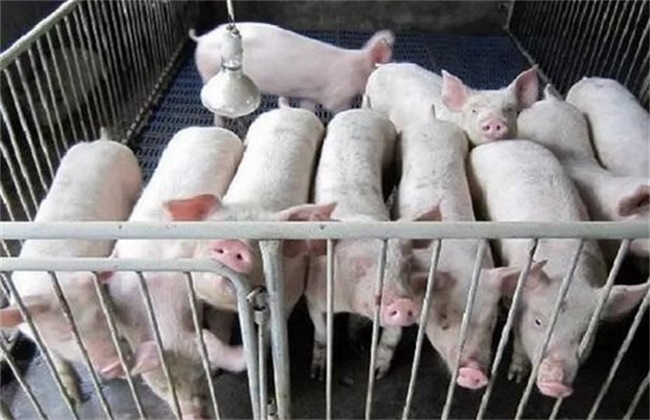
1. Preparation of the nursery barn
One week before the pigs are brought in, the nursery barn must be thoroughly cleaned. First, wash the floor and surroundings clean with water. After they dry, fumigate and disinfect with methanol and potassium permanganate. Three days later, disinfect with a disinfectant solution. This can kill most bacteria and microorganisms, help eliminate sources of infection, cut off transmission routes, and benefit the growth of nursery pigs. Before bringing in the pigs, also check the feed troughs and drinking water utensils. In addition, the temperature inside the barn should be controlled at 28-30 degrees and adjusted according to climate changes. In cold seasons, increase and maintain warmth; in hot seasons, strengthen ventilation to expel toxic gases.
2. Feeding management
The digestive system of nursery pigs is not yet fully developed, and they are relatively sensitive to the nutrition and composition of feed. Therefore, when choosing feed, choose easily digestible and highly nutritious feed to avoid indigestion in piglets and promote growth. When feeding, record the feeding time of the feed to ensure the feed trough is never empty, and at the same time supply sufficient warm boiled water. If water intake is insufficient, it may affect feed intake and lead to slow growth. To prevent stress responses, vitamins, glucose, antibiotics and other drugs can be added to the drinking water to increase the piglets' disease resistance. Feeding time and feeding frequency should be fixed, generally feeding 6 times a day. At the same time, to avoid indigestion, diarrhea and other symptoms caused by the feeding method, feeding should be restricted within 1-2 weeks after weaning, and free feeding can begin after 3 weeks.
3. Environmental management
Within one week after weaning, the temperature of the pig barn should preferably be maintained at 25-27 degrees. After that, lower it by 2 degrees each week until normal temperature. Humidity should be controlled at 55%-65%. At the same time, pay attention to stocking density. If density is too high, not only will biting occur, but toxic gases will also increase, making respiratory diseases more likely. After weaning, piglets should not be directly transferred to the nursery barn. The sow should be moved instead, and the piglets should be raised in the original barn for one week before being transferred to the nursery barn. During transfer, group them reasonably according to body weight and age. Piglets with similar body weight and age should be raised in the same pen. Piglets from different sources should be raised in separate pens. Piglets from each litter that are weaker and smaller in body weight should be grouped together for raising. Carefully observe the piglets' activity, feeding and excretion conditions, keep the barn environment clean and hygienic, and provide a good environment for piglet growth.
4. Immunization and deworming
Vaccination is one of the important tasks in the nursery barn, such as swine fever vaccine, foot-and-mouth disease vaccine, etc. These must be done. In addition, parasites such as scabies mites and roundworms can also cause certain harm to piglet growth and damage the body's immune system, so deworming work should be done well.
The above is an introduction to the key points of nursery pig feeding and management. We hope it can help you. To learn more related knowledge, please follow us.