What points need attention in turtledove farming? Key matters to master
The turtledove is a wild special rare bird; wild turtledoves are state-protected animals and cannot be circulated on the market. However, because the turtledove has high nutritional value and its meat is very tender and tasty, it has also become a project for making money through artificial farming. So what problems need attention when farming turtledoves? Follow the editor below to take a look.
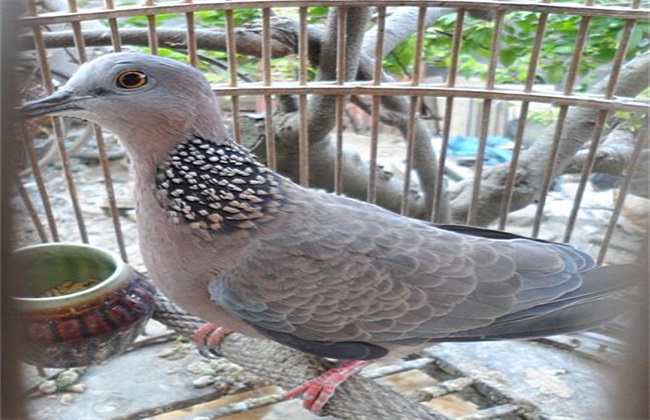
1. Seed selection
There are many kinds of turtledoves, so we need to choose a suitable pigeon breed, which is very important for turtledove farming. Generally we choose the kind with a smaller head shape, as such turtledoves are more agile. Next, choose pigeon breeds that feed well, are relatively gentle, have strong reproductive ability, and have strong resistance. Also, do not raise turtledove breeds that the state explicitly stipulates cannot be circulated on the market. Finally, when buying seedlings, go to a regular base, so that there can be some guarantee, and the quality of the selected turtledove seedlings will be relatively better.
2. Density
The farming density of turtledoves must be adjusted well and must not be too dense, otherwise it will affect the healthy growth of the turtledoves. In general, farming turtledoves is actually similar to pigeons, quails, and bamboo partridges, and their farming densities are basically similar as well. During the brooding period of turtledoves, one cage can hold more than one hundred, but after the turtledoves become adults, one cage can hold at most about ten to twenty.
3. Feeding
Feeding turtledoves is a point we must pay special attention to. Because the turtledove has a very small crop, but it also digests easily, we cannot feed it like other poultry; in general, it must be fed at least about five times a day. The feed is generally corn, rice, wheat, vegetables, forage, and the like, so we can grow and raise our own, which can ensure the quality of the feed. Finally, pay attention to watering, but the amount of water each time should not be excessive, otherwise the turtledoves will play in the water, and catching a cold is also very possible.
4. Hygiene
In the process of farming turtledoves, cleaning the hygiene of the farming environment is also very important, and many people often overlook this point. Generally we use double-layer farming cages, which makes it convenient for us to clean the hygiene. When not busy, it is best to clean once every other day, and about every half month carry out a thorough and comprehensive disinfection of the farming environment.
5. Light
During raising, we must ensure that the farming area has sufficient light. After the turtledoves have just hatched, we must ensure the indoor light duration is twenty-four hours, so fluorescent lamps are needed for lighting. After the turtledoves are five days old, the light duration can be reduced, generally controlled at about sixteen to eighteen hours a day. After the turtledoves are fifteen days old, we can reduce the light duration by one hour each day, until the light returns to normal conditions.
6. Ventilation
For the farming environment of turtledoves, we also need to pay attention to ventilation and keep the air in the farming room circulating. Because during the farming process, indoor dampness will inevitably occur, so ventilation is needed to keep the environment dry. Second, if the room is not ventilated for a long time, the environment will deteriorate, which also easily leads to disease and affects the normal growth of the turtledoves. Usually we maintain six to eight hours of ventilation every day; when the weather is cold, generally maintaining about two hours of ventilation is enough.
If we want to raise turtledoves well, the most important thing is still to improve turtledove farming techniques. But before improving turtledove farming techniques, we must master these most basic points for attention, so that we can basically ensure the output and quality of the turtledoves.