Detailed Guide to Wild Duck Farming Techniques, Master Scientific Feeding and Management Methods
Wild ducks are actually a type of waterfowl, and the most famous among them is the mallard. There are many varieties of wild ducks, and the economic value of wild duck farming is very high. They have strong adaptability and an omnivorous diet, making them very easy to farm. Under normal management, wild ducks grow very quickly. So how exactly should wild ducks be farmed? Below, the editor brings you the wild duck farming techniques. Let's take a look!
1. Site Selection
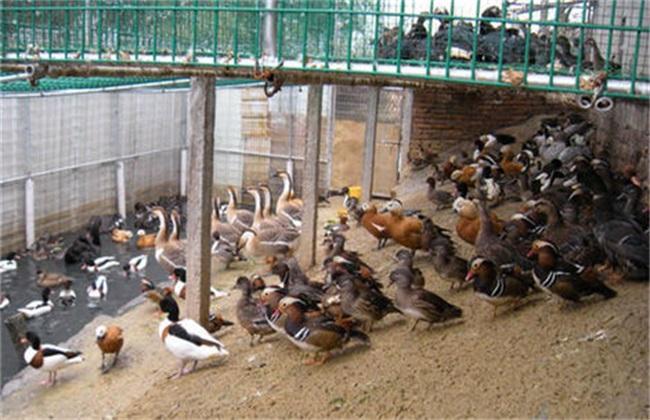
Wild ducks like water, so the first thing to ensure is that there is an adequate and clean water source around the farm. It can be built near reservoirs, mountain ponds, and similar locations, and the water quality should be kept flowing so it can be renewed in time. When building the farm, not only should a rest area and exercise yard be set up, but a brooding room must also be ensured. Wild duck brooding is mainly done by flat-floor brooding, and the area of the brooding room should be controlled according to actual conditions. The brooding room is divided into small compartments of two sq m each, and each compartment can house about 70 ducklings. Then, good insulation measures should be taken, and the growth of the wild ducks should be observed frequently to prevent crowding and piling up.
2. Rational Breeding
Wild ducks can generally be selected as breeding ducks after about two months of growth, and the ratio of male to female breeding ducks is about 1 to 6. When raising breeding ducks, the nutritional ratio should be appropriately increased, and the feeding amount should be raised to increase production. Special laying duck feed available on the market can be used, and then the breeding ducks should be placed in the laying area. The ground should be covered with soft bedding to prevent the breeding eggs from being cracked and to improve the hatching rate. After successful hatching, place the ducklings into the brooding room, and replace the bedding in the brooding room regularly to keep the bedding dry. Then, after about 7 days, adjust the stocking density properly, and as time goes by and they gradually grow larger, they can be raised together.
3. Daily Management
As mentioned earlier, wild ducks like water very much, especially ducklings, so the work of releasing them into water must be done well. Generally, after the ducklings have grown for about one week, they can be released into water. Adjust the frequency and duration of water release reasonably according to factors such as the age of the wild ducks and the ambient temperature. After releasing them into water, their feathers must be dried before driving them back to the duck house to prevent the bedding from getting wet. After about two months, the ducklings' wings have gradually taken shape, and they gradually learn to fly. At this time, pay attention to checking whether the netting around the duck house is intact to prevent them from flying away, and keep the height at about two m for easier management and catching.
4. Disease Prevention and Control
Common diseases of wild ducks include epidemic diseases, aspergillosis, and others. Disease prevention and control should mainly focus on prevention. They must not be mixed-raised with other poultry in the duck house. Do not feed moldy and spoiled feed to prevent wild ducks from being poisoned after eating it. Medicinal materials such as honeysuckle can be added to the feed to improve the disease resistance of wild ducks. Then, attention should be paid to regularly disinfecting the duck house and improving the ventilation inside the house. Carry out vaccination work according to the procedures and do a good job in preventing various epidemic diseases. After abnormal situations occur, promptly identify the cause and then carry out symptomatic treatment.
The above is a brief introduction to wild duck farming techniques. The farming techniques for wild ducks are very simple, but the work of preventing escape and disease prevention and control must be done well, and only by ensuring the slaughter output can the farming benefits be effectively expanded. That is all for today's introduction. This article is for reference only. Thank you all for reading and supporting.