How to incubate Linwu ducks? A detailed explanation of incubation management points
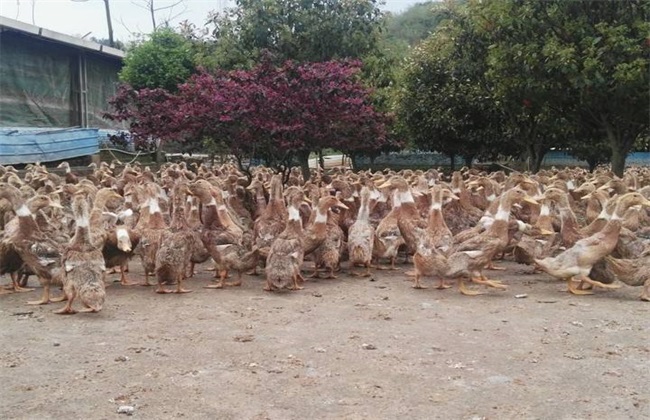
The Linwu duck is a very popular duck breed and belongs to the meat duck varieties. Its farming area is mainly concentrated in Hunan Province. As the market gradually expands, Linwu duck farming has also gradually expanded beyond Hunan Province. It is now farmed to some extent in most southern provinces. When farming Linwu ducks, incubation management is very important. So how should we manage Linwu ducks during the incubation period? Let's take a look together below!
1. Preparation before incubation
Linwu ducks generally mate in water, and then lay eggs in the resting area at night. Therefore, on the second morning, we must first do a good job of collecting eggs. First drive all the ducks out of the duck house, but do not be too rough, to prevent the ducks from being startled, showing stress reactions, and reducing the egg-laying rate. Then place the eggs in incubation frames. About one week before incubation, carry out a comprehensive and thorough disinfection of the incubator. Also do a good job of testing the machine. When all the preparation work before incubation is done, incubation work can begin.
2. Egg selection and disinfection
During incubation, in order to improve the quality of the ducklings, we should do a good job of selecting breeding eggs. The breeding eggs must be complete, uniform in shape, and free of damage, with weight controlled at about 70 grams. When placing the eggs, pay attention to your movements and avoid moving too forcefully or heavily, which could cause the breeding eggs to crack. After placing them in the incubator, carry out disinfection of the breeding eggs. About 5 hours before incubation, fumigate and disinfect the breeding eggs. The disinfectant is mainly potassium permanganate, and attention should be paid to controlling the dosage; do not use too much. Pour the disinfectant into the bottom of the incubator. When smoke appears, close the door and keep it sealed for about half an hour. After disinfection is complete, incubation can begin.
3. Temperature and humidity control
Temperature and humidity control during egg incubation is very important. Suitable temperature has a very large impact on the hatch rate. We should adjust the temperature reasonably according to the incubation time. The temperature in the first week is controlled at around 38 degrees, then lowered by 0.5 degrees in the second week, and at around one month, the temperature is controlled at around 36 degrees. Humidity should likewise be controlled according to the incubation time: 60% in the first week, 70% in the second week, until at one month the humidity rises to 85%. If the humidity is insufficient, spray the breeding eggs in time until the humidity reaches the standard for breeding egg incubation.
4. Turning eggs and candling eggs
Within the 4 weeks after incubation begins, turning work must be carried out regularly every day, with the number of times kept at about 10. The incubation rack can be rotated to ensure the breeding eggs are heated evenly and improve the hatch rate of the breeding eggs. Then in the first week after incubation, carry out egg candling work. Egg candling work should keep the surrounding environment relatively dark. Candling can clearly distinguish fertilized eggs from unfertilized eggs. Normally fertilized eggs will show a blood vessel network; conversely, there is no blood vessel network. Then promptly pick out the unfertilized eggs, and continue incubation.
After about one month of incubation, all can hatch. After hatching, wait until the ducklings' feathers are completely dry before taking them out. Also note that vaccination work should be done within one day to prevent the occurrence of epidemics. The above is a brief introduction to the key points of Linwu duck incubation management. This article is for reference only, and I hope it can help everyone!