What should be noted when farming black carp?
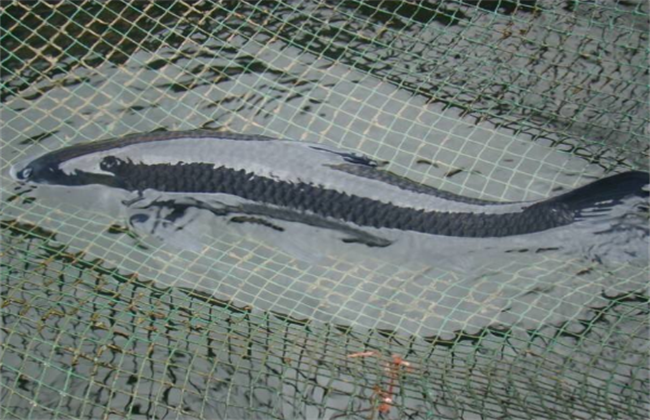
Black carp, along with grass carp, silver carp and bighead carp, are known as the four major Chinese carps. It is blue-green in color and is a freshwater food fish widely farmed in the area south of the Yangtze River in China. There is quite a lot of black carp production on the market now, but its status is unshakable. So do you know how to farm black carp? What issues need attention during farming? Let me explain it to you bit by bit below.
1. Pond construction
The site selection for the pond is the basic condition for black carp farming, and we cannot choose the farming site arbitrarily. In fact, black carp do not have high requirements for the pond; it only needs convenient transportation, sufficient water sources, unpolluted water quality and abundant feed resources. If it is an old pond, it only needs to be cleaned; for a new pond, it needs to be dug and built by yourself, usually according to the scale of farming. Next, we need to arrange the drainage outlet and water inlet properly, and all the basic production equipment used for farming must be fully equipped, as well as aerators, feed feeding machinery, medicines and so on.
2. Pond clearing and disinfection
Whether it is a new pond or an old pond, the pond needs to be cleared and disinfected before farming. For an old pond, the sludge in the pond needs to be cleared out, and then about 100 kg of quicklime is used for disinfection. When clearing the pond, the water depth should be controlled at about 30 cm. For a new pond, it is only necessary to clear out some debris in the pond, and then use about 75 kg of quicklime for disinfection. After clearing the pond, the pond water should be drained, and then new water should be injected. Seven to ten days before releasing the fry, apply an appropriate amount of organic fertilizer to cultivate nutrient-rich water.
3. Selecting and releasing fry
When choosing black carp fry, we generally require selecting high-quality fry that are strong, free of disease, free of mechanical injury and highly disease-resistant. Next, the size of the fry should be uniform, which makes farming and management convenient. When releasing the fry, they should first be soaked and washed with medicine, and then test-farmed. If the test farming is successful, the fry are then put into the pond for farming. Release should be done in clear weather, and must not be done on cloudy and rainy days. For black carp farming, when aerators are available, the stocking density can be 2,000 to 3,000 fry per mu.
4. Baiting and feeding
Black carp mainly feeds on river snails as its staple food, which means it is a carnivorous fish. Besides river snails, mussels, corbicula clams, clams, shrimp and insect larvae are all feed for black carp. But during the fry stage, black carp mainly feeds on zooplankton in the water. When feeding black carp, we should feed them at fixed times, in fixed amounts, with fixed quality and at fixed locations according to their feeding situation and weather changes. From April to June, the number of feedings per day is four; from July to September, the number of feedings per day is three; after October, the number of feedings is two.
5. Water quality management
After each feeding of black carp, we should promptly clear out the leftover feed residue, otherwise it will pollute the water quality. Next, the aerator needs to be turned on at noon on sunny days, in the morning on cloudy days, and in the middle of the night during continuous rainy weather, otherwise the dissolved oxygen in the water will be insufficient. Then we should change the water in a timely manner, and each water change should only replace one third of the total pond water. Also, fertilization should be reasonable to ensure the fertility of the water body in the farming pond. Fertilization is mainly based on organic fertilizer, and a small amount of chemical fertilizer can also be used at ordinary times. Finally, special microbial preparations for fish farming can be used to regulate water quality and reduce harmful substances in the water body.
That is all I want to share with you today about the notes on farming black carp. In fact, during the farming process, we also need to pay attention to water level regulation, disease prevention and control, and so on, which also have a great impact on the growth of black carp.