Detailed Explanation of Key Points and Management Methods for Carp Breeding Technology
Carp, also called li guaizi, is a very common freshwater fish in our daily lives and is also an omnivorous fish. Carp is rich in protein, and the utilization and absorption rate of its protein is very high, so it is a very high-quality protein. However, today we are mainly here to learn about carp breeding technology, so please read the exciting content below.
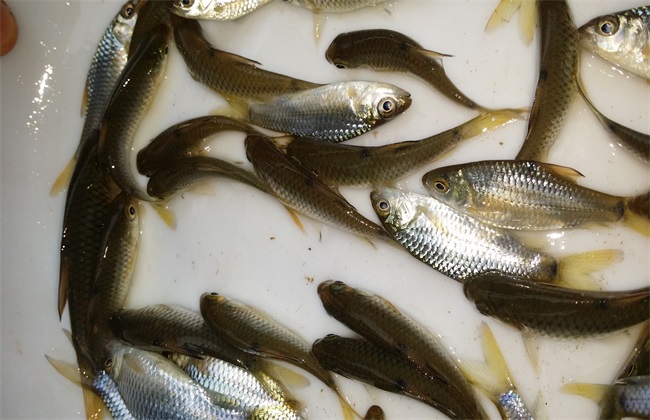
1. Parent Fish Selection
Before breeding carp, the first thing we need to do is cultivate parent fish. Generally, the parent fish of carp should be selected from fish species with good physique, robustness, abundant vitality, active movement, no diseases, no mechanical injuries, no parasites, high reproduction rate, and a body length to body height ratio of 3 to 1. The female parent carp should generally weigh about 3 jin, while the male should be above 2 jin. The female fish should be selected with a wide body, high back, small head, and a broad and soft abdomen. The male fish should be selected with a relatively large head, small and hard abdomen, and an anus slightly concave inward.
2. Feeding Management
In order to enhance the resistance and reproductive capacity of parent carp, we must carry out scientific feeding. The feed for parent fish is generally high-protein feed such as soybean cake, silkworm pupae, and fish meal, which is very beneficial to the growth of parent fish. Secondly, during the breeding process, attention should be paid to water quality regulation, and the water should be changed frequently. It is best to keep the water in the breeding pond slightly flowing, which can promote the development of sex hormones and enhance the reproductive capacity of parent carp.
3. Induced Spawning and Hatching
When the water temperature in the breeding pond rises to about 16°C and the water temperature is relatively stable without dropping, induced spawning can be carried out. Generally, we carry out induced spawning during the period from Qingming to Guyu. The methods of induced spawning are divided into natural spawning and artificial induced spawning, and the management methods are also divided into natural hatching and debonding hatching. During induced spawning, the main feed formula is soybean cake, flour, milk powder, broad bean powder, corn flour, and spices mixed with water in a ratio of 5 to 1 and stirred evenly for feeding.
4. Fry Cultivation
After the parent fish reproduce, we should put the hatched fry into the nursery pond for cultivation. Before stocking the fry, the nursery pond should be disinfected with quicklime, and the impurities in the nursery pond should be cleaned up with a fine net, and then the carp fry should be put into the nursery pond. During the nursery period, we mainly feed them with soybean mixed with cooked egg yolk beaten into a slurry. The earlier the fry start feeding, the better they grow. During the fry cultivation period, inspection and observation should be strengthened, recording the fry's activities, growth, feeding, water quality changes, presence of natural enemies, diseases, etc., and timely management and prevention should be carried out. Also, when feeding, the four principles must be followed, which has an important impact on the growth of the fry. Finally, good work should be done in flood control and escape prevention.
The above is the carp breeding technology that the editor wants to introduce to everyone today. In the above text, the editor briefly skipped over the cultivation and reproduction of fry without giving detailed answers. If everyone is interested and wants to learn more, you can leave a message below for consultation.