Rice flower fish farming techniques and key field management points
Rice flower fish is actually not a fish species, but carp, grass carp and other fish raised in rice paddies. Rice flower fish can feed on weeds, pests and other organisms in the paddy field, and the fish's excrement in turn becomes fertilizer for the rice. So rice flower fish is a pollution-free green food, and the farming cost is also very low. So how should rice flower fish be farmed? Below, the editor brings you the farming techniques for rice flower fish. Let's take a look!
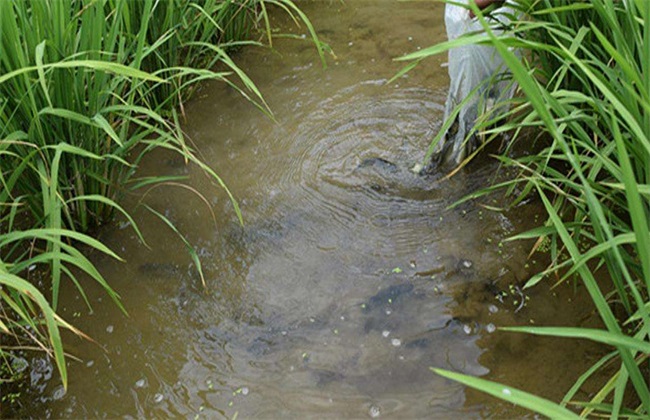
1. Seedling selection and stocking
In the south, rice is generally sown in March-April, and then transplanted at the end of April. When stocking fry, note that this should be done about one month after transplanting the seedlings, so the fry should be put into the field around the end of May. When selecting fry, pay attention to the quality of the fry. Do not choose inferior fry, to avoid a survival rate that leads to farming failure. Then pay attention to controlling the stocking quantity. Because it is rice-fish coculture, the number of fry stocked should not be too large, and generally should be controlled at around 300 fry. Finally, there is the water level. Water level control is very critical: it is necessary both to ensure the fish can swim freely and to prevent the water level from exceeding the range for seedling growth.
2. Reasonable feeding
When raising rice flower fish, note that the feeding methods used for pond fish farming should be abandoned, because it is necessary both to meet the fish's nutritional needs and to prevent effects on rice growth. Usually the bait for rice flower fish is mainly biogas residue and green organic matter. When farming, many farmers think that the greater the fertility of the water, the better. They directly pour undecomposed farmyard manure into the field, thinking it can promote fish growth and also provide nutrients for rice growth. In fact, this not only affects fish growth, but undecomposed fertilizer can also burn the rice, causing a decline in rice yield.
3. Use of insecticides
During growth, rice is harmed by many diseases, so spraying insecticides and fungicides is very important. However, because fish are being raised, we also need to control the timing of insecticide and fungicide application on the rice. If the fish eat weeds or pests carrying pesticides, or grow in such water quality, then the mortality rate is very high, and even if they do not die, they basically lose their edible value. So about one week before stocking fry, we should do a good job of spraying herbicides and apply an appropriate amount of chemical fertilizer. If pest damage occurs severely, then also pay attention to the use of insecticides, and do not use insecticides containing highly toxic substances.
4. Daily management
As just mentioned, water level management is very important. When farming, we can dig a water pit in a low-lying area of the paddy field. When the paddy field water level drops or the water decreases, the fish can swim into the pit to avoid direct sun exposure and to replenish water. Then there is the work of feeding bait. Although the fish can feed on weeds and other substances in the paddy field, if you want to ensure healthy fish growth, that is far from enough. Therefore, some fish bait should be put in regularly. Then observe the fish's growth situation at fixed times every day to prevent abnormal situations and make it easier to handle them in a timely manner.
The above is a brief introduction to rice flower fish farming techniques. Compared with pond farming, rice flower fish farming is relatively troublesome. But the cost is relatively low, so its benefits will also rise somewhat. That is all for today's introduction. This article is for reference only, and I hope it can help everyone!