What are the feeding times and methods for cattle?
Cattle farming has become a major livestock project for many people to escape poverty and become prosperous. Many beginners do not understand many things when raising cattle. Feeding in particular is very important in cattle farming. Both feeding times and methods have certain requirements, and improper feeding can have a serious impact on cattle growth. So today we have brought you the feeding times and methods for cattle. Let's take a look below!
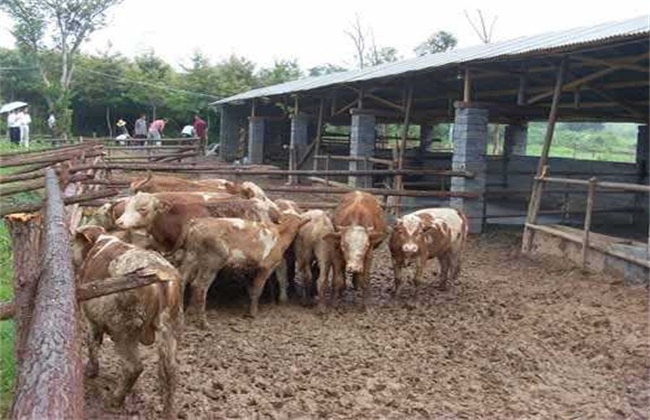
1. Feeding times
The feeding times for cattle should be reasonably adjusted according to the season. In spring and autumn, feeding is generally carried out in the morning and evening, but because the feeding interval is relatively long, some green fodder can be fed appropriately at noon. If the autumn temperature is relatively low, then the winter feeding principles should be followed. In summer, when the temperature is relatively high, the appetite of cattle somewhat declines, so feeding should also be carried out when the temperature is not high, avoiding noon, and in the morning it is best to feed at around 5 a.m. In winter, because the temperature is low, the feeding times are the opposite of summer.
2. Feeding amount
We should formulate different feeding amounts according to the cattle's body size and farming purpose. If they are fattening cattle, then the daily feeding amount should be determined according to body weight, generally about 3% of body weight. Then attention should be paid to controlling the ratio of concentrate to roughage, with concentrate accounting for about 40%. Therefore, taking a fattening cow of about 500 kg as an example, about 30 jin of feed is needed each day. 10 jin of concentrate and 20 jin of roughage. Then, according to the season, weather, and other factors, reasonably control the feeding amounts in the morning and evening, generally with more in the evening.
3. How many times to feed per day
Likewise, we should also adjust the number of feedings per day according to the cattle's weight, growth stage, time, weather, and other factors. Pregnant cows generally need to be fed twice a day to meet their nutritional needs. If they are in the lactation period, because nutrient consumption is greater, one more feeding per day is needed. Calves do not yet have fully developed digestive capacity and mainly rely on milk, but feed should also be properly supplemented every day, in small amounts and more frequently, about 5 times a day. As the calves grow, the number of feedings per day can be appropriately reduced and the feeding amount increased.
4. Feeding methods
When feeding, we should follow the principle of feeding more but in small amounts, and the daily feed should be divided into at least two feedings. Keeping the feed amount small can increase the cattle's appetite and improve feed conversion efficiency. About two hours after feeding, the residual feed in the trough should be removed promptly to prevent the feed from spoiling, causing the cattle to eat it by mistake, leading to gastrointestinal diseases and affecting cattle growth. Then, when feeding feed in summer, attention should be paid to combining it with drinking water. This prevents the feed from being too dry and indigestible, which not only consumes too much feed but also causes indigestion in cattle.
The above is a brief introduction to the feeding times and methods for cattle. The feeding work for cattle is very important and affects the meat production rate and quality of cattle, so everyone must pay close attention to it. That is all for today's introduction. This article is for reference only, and we hope it can help everyone!