What are the causes of death in newborn calves? How to prevent them scientifically
Cattle farming is an important livestock industry in our country, and quite a lot of people raise cattle. When raising cattle, the thing people fear most is death, especially of newborn calves, which brings huge economic losses to farms. So what are the causes of calf death? Let's take a look.
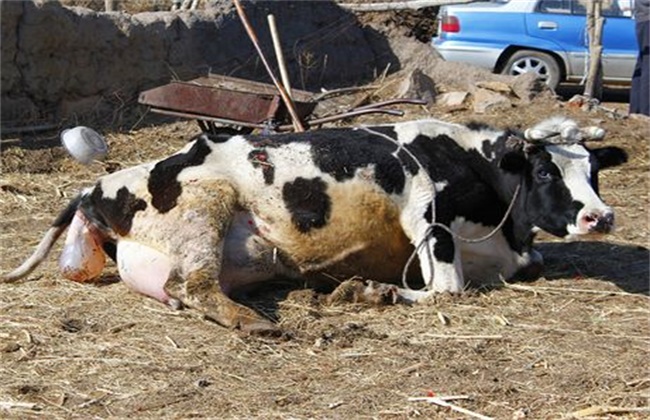
1. Dystocia
When a cow has difficulty giving birth or manual assistance during calving is improper, it can easily cause newborn calves to develop certain diseases, such as suffocation from inhaling amniotic fluid or infection with pneumonia, and can also cause limb strains and joint dislocations. The main reason is that the calving attendants lack technical skill and a strong sense of responsibility, and do not observe the cow's calving progress in time, leading to harm caused by rupture of the amniotic fluid.
Preventive measures: Assisting with calving should be done scientifically and promptly to ensure the safety of both the cow and the calf. Calving attendants should keep good observation records before calving. When signs of calving appear, the cow should be moved into the calving pen in time to await delivery, and preparations for assisting with calving should be made. The calving pen environment should be quiet and hygienic, and the floor should be covered with soft straw. In cases of dystocia, experienced personnel should be called in to help.
2. Improper care
Newborn calves have weak resistance. If care is improper at this time, they are highly prone to developing multiple diseases, such as colds, pneumonia, and diarrhea. These diseases will not threaten the lives of adult cattle, but for weak and small calves they are fatal. Once they contract these diseases, feeding becomes extremely difficult. Or, due to improper care, cases of calves freezing to death or choking to death also occur.
Preventive measures: Care for calves must be done attentively, keeping the barn at a suitable temperature and humidity to avoid infection with diseases and ensure the healthy growth and development of calves.
3. Old, weak, sick, and disabled cows
Old, weak, sick, and disabled cows have lower physical quality and poorer production performance in summer, and may even lose production capacity. Some cows are helpless after calving. If feeding and management cannot keep up during pregnancy, stillbirth and dystocia are highly likely to occur, and the survival rate of the calves born is also relatively low.
Preventive measures: Old, weak, sick, and disabled cows should be culled in time and replaced with young, energetic cows to ensure good reproductive capacity on the farm.
4. Improper feeding
Newborn calves grow and develop quickly and have strong metabolism. As their body weight increases, their demand for nutrients also grows higher and higher. If the cow's milk supply is insufficient or nutritious feed is lacking, the calf is highly prone to malnutrition, slow growth, poor physique, poor adaptability to the environment, and weak resistance, making it highly susceptible to disease and death.
Preventive measures: Feeding of newborn calves should be strengthened, with a sufficient supply of nutritious feed, to ensure that calves grow quickly and well.
The above is an introduction to the causes of death in newborn calves and preventive measures. We hope it can help you. To learn more related knowledge, please stay tuned to us.