What are the key points of sow breeding technology?
Sows are something we need to manage well with extra care in breeding. Sow management is also something we cannot neglect. During breeding, sows and boars should be raised separately as far as possible. There are also certain differences between sow breeding and boar breeding, and there are many things we need to pay attention to during breeding. So today, the editor brings you the key points of sow breeding technology. Let's take a look together below!
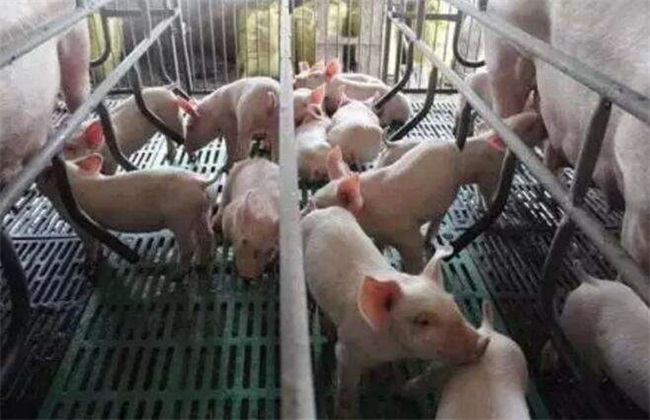
1. Environmental disinfection
Environmental disinfection is an important measure for preventing disease when breeding sows. When breeding sows, disinfection work should be done well before, during and after farrowing. Also pay attention to controlling the people and vehicles entering the pig farm; they should also be disinfected before entering the pig house to prevent carrying pathogens that affect the growth of sows. In addition, every time a batch of sows is moved out, the farrowing house must be thoroughly disinfected. After the pen is left empty for about a week, sows can be moved in. After sows enter the farrowing period, disinfection with the pigs present should be carried out twice, and disinfectants should be those with little harm to sows; prepare more than two kinds to strengthen the disinfection effect.
2. Immunization injection
Immunization work is also very important. About 3 weeks after piglets are born, the first swine fever vaccine injection should be carried out. Then about a month later, immunization work against diseases such as foot-and-mouth disease and paratyphoid should be done well. At two months, a second swine fever immunization should be carried out, and then attention should also be paid to the prevention and control of various infectious diseases such as swine erysipelas and swine pneumonia. When injecting vaccines, pay attention to strictly following the vaccine injection procedure; do not inject blindly, to prevent excessive dosage from causing pathogens to develop antibodies and lose the immunization effect.
3. Timely deworming
Deworming work is also essential when breeding sows. Parasites harm the sow's immune system, leading to a decline in feed conversion rate and reducing the pig's responsiveness and disease resistance. Therefore, when breeding sows, we should make a deworming plan according to the deworming procedure. Regular deworming can not only enhance the immunity of the pig herd but also prevent various diseases. Start about 20 days before the sow farrows, and then carry out deworming once after the piglets are weaned. The choice of deworming medicine also needs attention; be sure to choose deworming medicine with good effects and low toxicity.
4. Strengthen management
During the sow's farrowing period, we should frequently observe the sow's growth condition. Control the temperature and humidity in the pig house well to avoid breeding bacteria due to unsuitable temperature and humidity. Then appropriately adjust management methods according to the sow's growth condition. When breeding sows, adjust the feed according to the sow's growth stage and control the nutritional ratio in the feed to meet the sow's nutritional needs for farrowing. Also pay attention to ensuring sufficient feed, especially during the gestation period, so as to both provide for the sow's nutritional needs and ensure that the fetal pigs do not lack nutrition.
The above is a brief introduction to the key points of sow breeding technology. Sow breeding management is something we need to focus on, otherwise it will have a great impact on both sows and young pigs. That is all for today's introduction. This article is for reference only, and I hope it can help everyone!