What are the precautions for breeding budgerigars?
The budgerigar is a species of parrot. It is also the most common type of parrot on the market. Budgerigars are very easy to keep, and their market price is relatively cheap. They are very suitable for beginners to raise, and budgerigars have a relatively strong breeding ability and are not limited by the environment. However, there are also many things we need to pay attention to when breeding budgerigars. Let's take a look together with the editor below!
1. Breeding preparation
When budgerigars grow to about 4 months old, they will gradually enter the estrus period. Before this, we can do the preparatory work for breeding the parrots. First, choose a pair of healthy parrots free of disease. Then two weeks before breeding, adjust the feed to eggs, rice, etc., and mix them together to provide nutrition for the parrots. Fine crushed eggshells can also be mixed into the feed, which can supplement calcium for the parrots. Properly adjusting the feed can promote estrus in the parrots, enhance their growth ability, and improve the breeding success rate.
2. Judging estrus
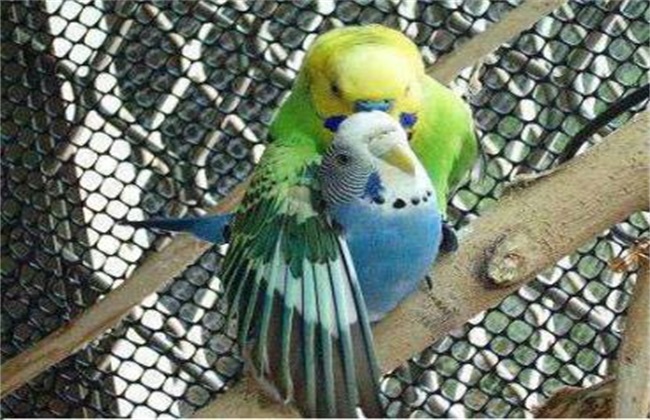
After doing the breeding preparation, observe the parrots' estrus situation frequently. It can be judged from their mental state. First, a female parrot that has successfully conceived is generally more active and will keep walking around everywhere. A male parrot in estrus will closely follow the female parrot, following wherever she goes, and will constantly tease the female parrot. It will also feed the female bird. When you hear the female bird making a relatively harsh call, it means she has already entered estrus. After estrus and mating, pay attention to observing the female bird's droppings. If they are more and larger than usual, then the female bird has begun to enter the ovulation stage.
3. Assisting incubation
After the female parrot successfully ovulates, spread soft, anti-slip materials such as straw in the birdcage. This prevents the bottom from being too hard and causing the eggs to break, and avoids them being too slippery and causing the eggs to collide with each other. A parrot lays about 5 eggs at a time, usually one per day. During this period, be sure to keep the environment quiet enough to avoid the parrot being startled by loud noises, which would affect ovulation. After ovulation, pay attention to supplementing nutrition for the female bird to restore her strength. Generally, under normal incubation, it takes about 3 weeks.
4. Caring for the chicks
Generally, chicks can only leave the nest and live on their own about one month after hatching. During this month, they are entirely cared for and fed by the parent parrots. The female bird generally stays in the birdcage without leaving, until the chicks grow their feathers and can live on their own. The parent parrots will then leave the nest and reduce care for the chicks. Then they begin the next round of breeding. Although parrots can care for the chicks, abandonment of chicks can also happen, so if this situation occurs, we must take over and care for the chicks manually to prevent them from starving or freezing to death, and to improve the breeding success rate.
The above is a brief introduction to the precautions for breeding budgerigars. When breeding, we also need to pay attention to the weather and environment, etc. Although they are not limited by the environment, seasons such as summer and winter have overly extreme temperatures, which both affect the health of the female bird and reduce the survival rate of the chicks. Therefore, this cannot be ignored either. That is all for today's introduction. This article is for reference only, and I hope it can be helpful to everyone!