What are the precautions for raising quail? Master the key points of feeding in one article
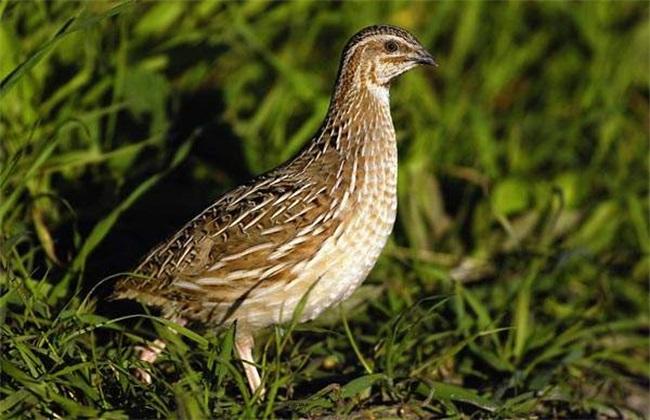
Quail meat has the characteristics of high protein and low fat, making it a rare game meat that fits modern consumption concepts very well. Quail eggs are also a very popular health egg at present, so the scale of quail farming has been continuously expanding in recent years. So if we want to raise quail well, we need to improve our own professional skills. So do you all know the issues that need attention when raising quail? Let's learn about them together below.
1. Cage placement
For the cages used to raise quail, we should adopt a layered farming model, and the cages should generally be placed in a well-ventilated, sunny location with good light and good insulation. Secondly, the bottom of the cage should have a certain tilt angle, which makes it convenient to collect quail eggs. The cage should be equipped with defecation, feeding, drinking, lighting, and so on, to make farming management convenient.
2. Feed formulation
There are also requirements for the feed formulation for quail. If the feed does not meet the standard, the survival rate of farming will be very low, let alone fattening and egg production. Quail feed should not be single, as this can easily cause nutritional imbalance and lead to malnutrition; also, note that feed should not be changed casually, otherwise it will affect the normal production of quail. Normal feed is composed of corn, soybean cake, rapeseed cake, wheat bran, fish meal, coarse chaff, bone meal, salt, vitamins, antibiotics, and other trace elements. Among them, corn accounts for 50 percent; wheat bran accounts for 29 percent; and the total proportion of the others is 21; among them, the proportion of salt is the lowest, generally 0.3 percent.
3. Temperature and humidity adjustment
The adjustment of temperature and humidity in the breeding room is very important, especially for quail during the brooding stage. For newly hatched quail, the indoor temperature should generally be controlled at around 35 to 38 degrees. When the quail are one week old, we can slowly lower the temperature and adjust it to around 25 degrees, and in the later stage of farming, a constant temperature of 25 degrees needs to be maintained, which is very beneficial to the growth of quail. Finally, we should note that the humidity in the breeding room should be kept at around 70 percent to 80 percent.
4. Daily hygiene
Quail have a relatively good constitution, so they are also relatively easy to keep alive, but we still need to pay attention to hygiene cleaning, which can avoid bacterial infection. At the same time, we also need to keep the breeding environment clean, carry out regular disinfection, and maintain reasonable indoor ventilation, otherwise no matter how healthy the quail are, they will still get sick.
5. Molting management
During the farming process, we also need to monitor the molting of quail. If they do not molt on their own, artificial forced molting is also needed. But artificial forced molting is generally carried out about two weeks after the quail lay eggs. We need to stop feeding, let the quail stop laying eggs, and molt quickly, and then resume production. During this molting process, we also need to cull the quail, and at the same time ensure an adequate supply of drinking water.
The above are several issues that the editor wants to share with you today about what needs attention when raising quail, and I hope it can help everyone. There is one more point the editor wants to remind everyone to pay attention to, which is the prevention and control of quail pests and diseases. Although their constitution is relatively good, preventive preparations still need to be made.