What are the precautions for raising ring-necked pheasants?
The ring-necked pheasant is a wild type of chicken that is quite favored by consumers in the market, and market demand is extremely high. However, wild ones are relatively few, and catching them is subject to certain controls, so many people have begun to raise them artificially. But after all, the ring-necked pheasant is a wild bird, so there are many issues to pay attention to when raising them. Let's take a look together with the editor below.
1. Growing environment
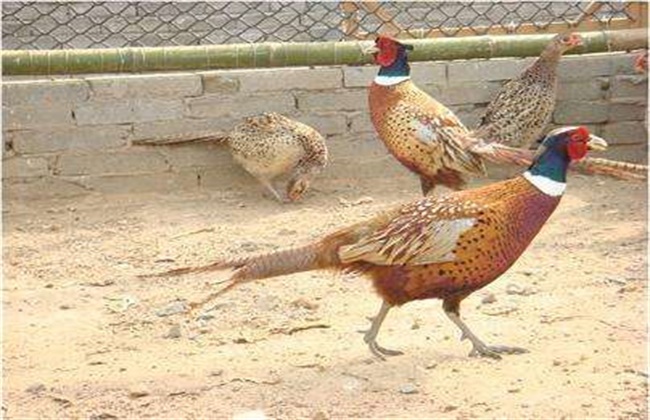
The ring-necked pheasant has long survived in the wild, so its growth habits are relatively difficult to control. In order to raise it well, you must master some basic knowledge. First, you must build a relatively good breeding site. The growing environment of the ring-necked pheasant must resemble the wild environment, so when raising them it is best to use enclosed free-range rearing. In addition, there are certain requirements for the soil of the breeding site; you should choose relatively loose soil, preferably sandy soil, as this is beneficial to its growth. This is because the ring-necked pheasant has the habit of bathing in sand, which can effectively remove parasites from its body.
2. Temperature
Pheasants have relatively high temperature requirements for growth, and temperature must be analyzed from multiple aspects. In summer, both indoor and outdoor temperatures are relatively high, so good ventilation must be maintained to lower the temperature of the breeding site. In winter, when the temperature is cold, attention must be paid to keeping them warm, and it is best to raise the wild birds indoors, as this makes temperature control easier. In addition, newly hatched chicks will be somewhat unaccustomed to the outside temperature, so at this time the temperature should be kept at 25 degrees so that they can slowly adapt before growing normally like other pheasants.
3. Sanitation
When raising pheasants, sanitation is the point that causes the highest mortality rate among pheasants. First is the sanitation of the breeding site: you must insist on cleaning the pheasant droppings every day, as pheasant droppings very easily breed parasites. At the same time, maintain air circulation and disinfect regularly 2-3 times a month to reduce the breeding of bacteria and ensure the healthy growth of the pheasants. The feeding utensils for the pheasants must also be disinfected well; otherwise, bacteria can very easily enter through the mouth.
4. Feeding
Do not buy cheap feed, and do not frequently change the type of feed, so as to avoid causing a decline in the pheasants' food intake and slow growth. Feeding should be increased or decreased according to the growth condition of the pheasants. When feeding, you must ensure the freshness of the feed; spoiled and deteriorated feed should not be fed. When feeding, add feed frequently and feed small amounts, and make sure the pheasants eat their fill. Leftover feed must be cleaned out of the chicken coop, especially in summer, otherwise it can very easily cause disease.
The above is an introduction to the precautions for raising ring-necked pheasants. We hope it can help you. To learn more related knowledge, please stay tuned to us.