What should be noted in guinea fowl farming? These breeding key points need to be mastered
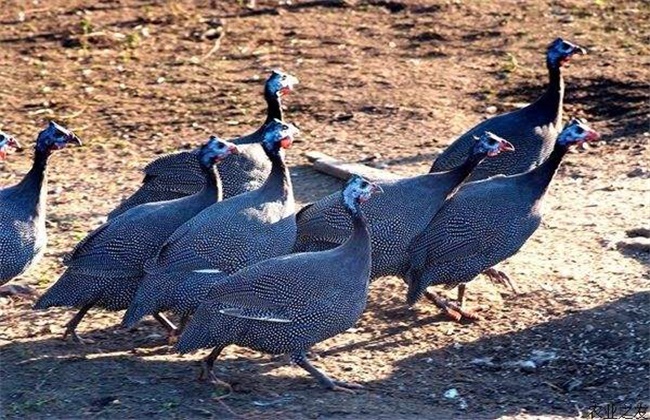
The guinea fowl, also known as the mountain fowl, is a kind of wild bird. Its meat has a good taste and is rich in nutrients, so after artificial domestication it has become an important farming project. With the development of the farming industry, farming guinea fowl has also become a mainstream practice. So what should be noted when farming guinea fowl? Let's take a look together.
1. Site construction
The construction of the chicken house is to provide a suitable environment for the growth, development and reproduction of the flock, and it is an important part of farming guinea fowl. First of all, the chicken house construction must be far away from environmental pollution areas, so as not to affect the growth and development of the guinea fowl. The chicken house is important for the survival of the guinea fowl, and is related to its feeding management and economic benefits, so several issues should be noted when choosing a site. First, climate: check whether the temperature, wind force and severe weather conditions affect the growth of the guinea fowl; second, terrain: choose a site with high and flat terrain, sheltered from the wind and facing the sun, and with good drainage. A site with a gentle slope and easy drainage is suitable, and a slope of 3-5 degrees is appropriate, with a maximum of no more than 25 degrees. In addition, it should be close to a water source. A guinea fowl farm uses a large amount of water. Besides daily drinking water, water is also needed for cleaning the farm and for personnel, so there must be a clean and sufficient water source near the farm.
2. Points to note in brooding
The incubation period of guinea fowl is generally 26 days. During incubation, the temperature should be well controlled. In the early stage, the temperature is generally controlled at around 38 degrees, and as the age in days increases, the temperature is gradually lowered, and in the later stage it is maintained at 27 degrees. In addition, the humidity of the incubation room should also be well controlled, with 55-70% being appropriate. During brooding, note that chicks of the same age in days should be raised together, and ventilation should be done well to ensure there is no peculiar smell indoors and to maintain a relative humidity of around 50-60%. If there is a large amount of dust in the air, it should be cleaned up to prevent the chicks from suffering from respiratory diseases.
3. Points to note in feeding
During feeding, note that the light should be sufficient and uniform. Appropriate light can increase the appetite of the flock, increase feed intake, and promote growth and development, but the intensity of the light should be noted, and it should not be so strong as to affect the normal feeding and drinking of the flock. When the chicks grow to a certain extent, for the convenience of management, wing clipping and light management are needed, and the flight wings of the chicks should be cut in time to prevent them from escaping. Pay attention to the cleaning and disinfection of the chicken house to reduce unnecessary losses, increase the survival rate, and improve returns.
The above is an introduction to what should be noted in guinea fowl farming. We hope it can help you. If you want to learn more related knowledge, please stay tuned to us.