How to raise laying hens in spring? All the key points of feeding management are here
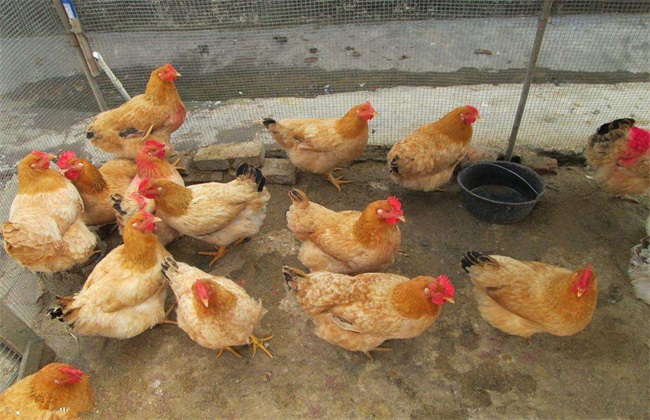
Laying hens are a major direction of poultry farming in China, with a very wide farming area in the country. There are also now very many breeds of laying hens in China, and the pressure of competition is relatively great. If you want to improve farming efficiency, feeding management is very important, especially in spring, the season when all things come back to life. So how should laying hens be managed in spring? Below, the editor brings you the key points of feeding management for laying hens in spring. Let's take a look!
1. Lighting management
Lighting has a very great effect on the growth of laying hens. Lighting directly affects the laying rate and growth capacity of laying hens. In spring, we should reasonably regulate the light duration and intensity according to factors such as the body weight of the laying hens. Under normal growth of laying hens, the light duration should be gradually shortened and must not be too long. Especially after the laying hens enter the growing period, the light duration must be kept stable. While ensuring normal eating and drinking for the laying hens, appropriately reduce the daily light duration and intensity. Control it within the range required by the laying hens to promote their growth.
2. Controlling body weight
Spring is a very important time for laying hens. At this time, the physique of the laying hens gradually recovers and they gradually enter the laying period. Therefore, we should pay attention to controlling the body weight of the laying hens to prevent them from becoming overweight and lowering the laying rate. First, set a good standard for weight gain according to the breed being raised. Generally, laying hens become set in form at around 4 months of growth. Therefore, the laying hens should be grouped and managed in time; underweight laying hens should be raised separately with improved nutrition, and then the feed of overweight chickens should be controlled to reduce their weight and increase the laying rate.
3. Changing feed at the right time
To ensure that the nutritional needs of laying hens in spring are met, we should pay attention to increasing the nutritional ratio of the feed in spring. Increase the proportion of calcium in the feed to promote bone growth of the laying hens and prevent undesirable phenomena such as difficult laying. It can also prevent paralysis at the peak of laying due to excessive egg production. Then reasonably adjust the nutrition according to changes in the laying period to ensure that the nutrition can meet the laying and growth requirements of the laying hens. Moreover, only by raising the nutritional level can the laying period be effectively improved.
The above is a brief introduction to the key points of feeding management for laying hens in spring. Of course, in spring it is also necessary to pay attention to controlling various environmental factors such as temperature and humidity so as to fully ensure the growth of laying hens and increase the laying rate. That is all for today's introduction. This article is for reference only, and I hope it can be of some help to everyone!