What should be noted in tilapia farming? These matters cannot be ignored
Tilapia is one of the fish species that receive major attention in farming worldwide today. It has broad adaptability, is deeply favored by farmers, has delicious meat and high nutritional value, is well received by consumers, and has extremely high economic value. So what should be noted when farming tilapia? Let's take a look together.
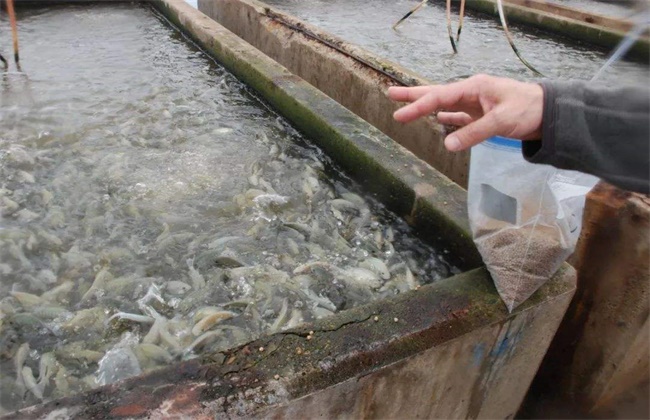
1. Fry and fingerlings
The selection of fry and fingerlings must be strict, as it relates to the growth and development of tilapia and economic benefits. Excellent fry and fingerlings with clear sources, strong constitutions, and no diseases should be selected to ensure their rapid growth and reproduction later and bring considerable economic benefits. The stocking time for fry and fingerlings is generally chosen on sunny days with a water temperature above 20 degrees, usually around April, and at the latest in May. When stocking fry, attention should be paid to density, which should not be too high, as it can easily lead to disease outbreaks and affect economic benefits. Generally, it is about 1500 fish per mu.
2. Feeding
Tilapia generally uses plant-based feed, and in addition it feeds on phytoplankton by itself, so in order to reduce feed costs, the pond should be fertilized to promote the reproduction of plankton. However, the amount of fertilizer should be noted to avoid damaging the water environment and affecting the growth and quality of tilapia. For feed feeding, two points should also be noted: one is the choice of time, generally at 8-9 in the morning and 14-15 in the afternoon; the other is the feeding amount. The feeding amount for tilapia is 3-6% of body weight. At the same time, the freshness of the feed must be ensured, and residual bait in the water should be cleaned up in time to avoid polluting the water quality, which is unfavorable to the growth of tilapia.
3. Adding water and changing water
The water quality of the pond will gradually deteriorate during the farming process, so new water should often be added to keep the water level relatively stable. This point is extremely important for broodstock reproduction and fry rearing. If the water level drops, the spawning nests will be exposed above the water surface. This will affect broodstock spawning and hatching. If the water level is too high, the oxygen conditions in the spawning nests will be poor, which is unfavorable for egg hatching. In addition, water quality will continuously deteriorate, so water quality management should be done well. When water quality deteriorates to a certain extent, water should be changed carefully.
4. Pond patrol
The pond should be inspected every morning and evening to observe fish activity, feeding, and changes in water quality. Water temperature should be recorded well, and problems should be solved in time when found. In addition, attention should also be paid to fish escape. If escape occurs, it should be repaired in time.
The above is an introduction to what should be noted in tilapia farming. We hope it can help you. To learn more related knowledge, please keep following us.