How to raise Yorkshire pigs? Master these feeding key points
The Yorkshire pig, also known as the Large White pig or double-muscled rump pig, originated in Yorkshire in northern England. It has a large body size, strong adaptability and high feed conversion efficiency, and is suited to intensive, large-scale farming. So what should be paid attention to in feeding? Come and take a look at the key points for raising Yorkshire pigs with the editor.
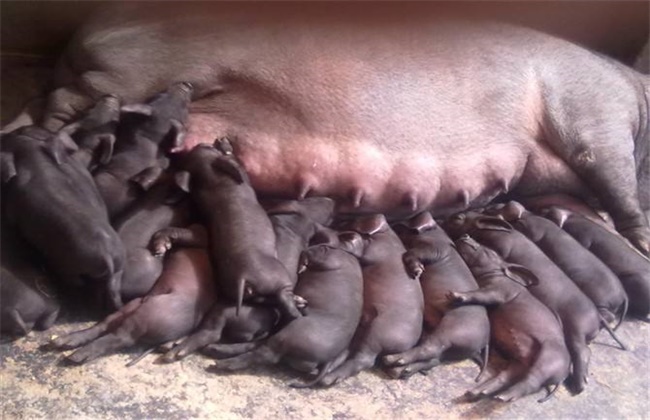
1. Feeding piglets
The colostrum of the sow contains a large amount of immunoglobulins, which can boost the piglets' immunity and thereby increase their survival rate, so after piglets are born, try to let them drink colostrum. Newborn piglets have thin subcutaneous fat, insufficient temperature regulation ability of their own, and poor adaptability to the external environment, and are extremely easy to feed, so piglet raising requires good warmth keeping from birth. In the first week after birth, keep the temperature at 36 degrees, in the second week keep it at 32 degrees, and in the third week keep it at 28 degrees. The nutrients in breast milk are relatively easy to digest and absorb. If only breast milk is fed during suckling, the piglets' adaptability and nutrition will be affected after weaning, so one week after birth the piglets should start to be fed, three times a day, and each feeding should not be excessive.
2. Feeding boars
For boars, feed is relatively important. First of all, ensure that nutrition is comprehensive, and the feed must be palatable. The feed should contain sufficient trace elements, vitamins, minerals and protein, and should also be paired with an appropriate amount of green feed. Boars should not be too fat. If they are too fat, the feeding amount should be controlled and appropriate exercise given, otherwise it will affect sperm quality and lead to reduced reproductive capacity; if they are too thin, the feed should be appropriately increased. After mating, a boar should rest for at least 1-2 days. During mating, animal protein feeds such as fish meal and eggs should be appropriately added to the feed. Boars should ultimately be raised separately to avoid novelty among them, and their bodies should be kept clean and hygienic.
3. Feeding sows
Feeding sows is relatively simple and is mainly based on stocking density. If they are of medium body size, the feed density is generally 2 head per sq m. The main feed given each day is nutritional additives, soybean meal, corn, etc. The content of vitamins and protein in the feed should be somewhat higher. Generally, each sow should be fed 3 times a day, with each feeding amount at about 2.6 kg. At the same time, sufficient drinking water must be ensured, and the drinking water amount is generally about 4 times the feed. After feeding, they should be given an appropriate amount of exercise, which can strengthen the sow's physique.
The above is an introduction to the key points for raising Yorkshire pigs. We hope it can help you. If you want to learn more related knowledge, please stay tuned to us.