A Detailed Guide to Tibetan Fragrant Pig Farming Methods and Techniques
The Tibetan fragrant pig, also known as the ginseng pig or fern-root pig, is an ancient livestock breed unique to Yunnan and Tibet. It is Tibet's original lean-meat intestinal-type pig breed. Its meat is highly nutritious with low fat content, making it deeply popular as a green health food. So how should Tibetan fragrant pigs be raised? Let's take a look together.
1. Pigpen Preparation
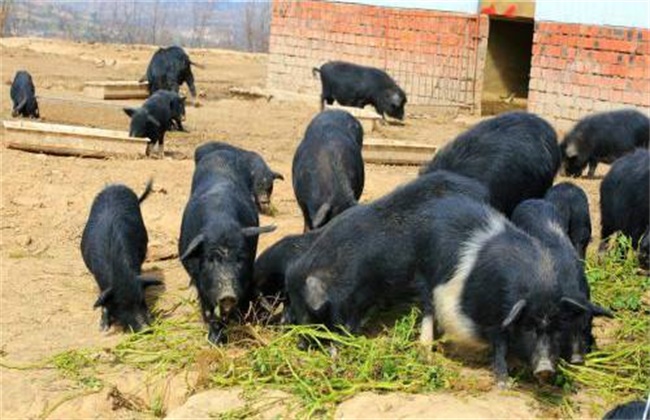
Tibetan fragrant pigs have relatively simple requirements for their rearing environment; a slightly open area is enough for raising them. Of course, hilly areas are best, as this gives the Tibetan fragrant pigs room to move around, provides good ventilation, and allows them to rely on their own disease resistance while also ensuring meat quality. After choosing the plot, select a wind-sheltered, sun-facing, level spot to build the pigpen. Generally, a pen for confined rearing should hold 8-10 pigs. Be careful to keep the temperature at 25-32 degrees. Outside the pigpen, a manure yard can be arranged or a septic tank can be built.
2. Seed Selection and Feeding
The Tibetan fragrant pig is Tibet's original lean-meat pig breed. It belongs to the wild grazing type, generally raised in areas at an altitude of 3000-4000 m, feeding on wild plants or fruits, and usually weighing no more than 100 jin. When raising them, choose healthy 15-20 day old piglets, which at this time weigh on average 1-2 kg. Vaccination should be done properly during rearing. If they are breeding pigs, when introducing stock, be careful to raise them in a clean and hygienic pigpen prepared in advance for a one-week transition period, and only start raising them after confirming there are no abnormal conditions.
3. Feeding Management
Generally, piglets at 20 days of age can start eating and be fed young piglet feed, usually 5 times a day, at 3% of their body weight. The young piglet feed can be composed of corn, grain chaff, soybean meal, wheat bran and green fodder. At 3-6 months of age, they can be fed adult feed, generally at 4% of body weight, using corn paired with pasture grass or green grass. At over 6 months of age, feed at 5% of body weight, and at the same time carry out appropriate grazing, reduce the use of drugs, and increase the lean meat rate of the pork.
4. Hygiene and Disinfection
Hygiene in the pigpen is the main task in preventing Tibetan fragrant pig diseases. Summer is hot with high temperatures, so the pigpen must be cleaned every day. In winter, when temperatures are lower, it can be cleaned once every three days, but pig manure must be removed and the pigpen kept dry. In spring and autumn, it depends on the specific situation. In summer, disinfect once every three days, while in winter disinfect once a week, to ensure the healthy growth of Tibetan fragrant pigs and nip diseases in the bud. When disease occurs, the cause must be identified promptly, and prevention and control work should be done well.
The above is an introduction to Tibetan fragrant pig farming methods. We hope it can help you. To learn more related knowledge, please stay tuned to us.