Detailed explanation of Large White pig breeding key points, master scientific breeding methods
The Large White pig is deeply favored by farmers for its excellent production performance and outstanding appearance. It is a lean-meat pig breed with relatively high requirements in all aspects, so what are the key points when raising Large White pigs? Let's take a look together.
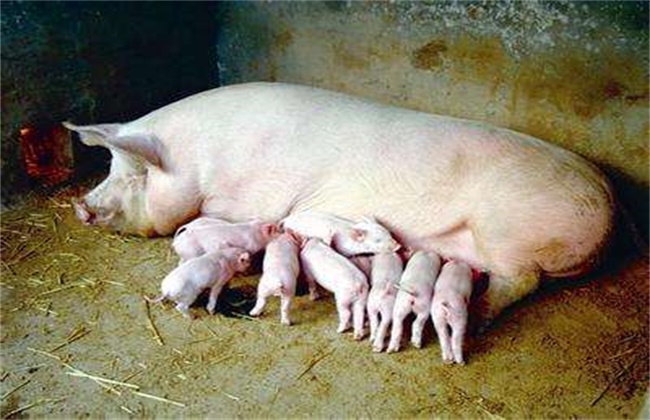
1. Piglet rearing
The milk secreted by the sow after giving birth is colostrum. Its composition differs from regular milk and contains large amounts of immunoglobulins, which can strengthen the piglets' immunity and increase the survival rate, so it is extremely important for piglets. Therefore, after piglets are born, they should be allowed to suckle colostrum as much as possible. Newborn piglets have relatively thin subcutaneous fat and weak ability to regulate body temperature and adapt to the external environment, making them highly prone to death. Therefore, during the piglet suckling period, good heat preservation measures must be taken. Generally, in the first week the temperature difference in the brooding room is around 25 degrees, in the second week 31 degrees, in the third week 27 degrees, and after three weeks normal temperature can be restored. To avoid discomfort caused by sudden weaning of piglets, it is best to carry out creep feeding during the suckling period, letting piglets adapt to feed in advance to supplement breast milk. Generally, creep feeding is carried out at 7-10 days of age, with small amounts and frequent meals as the standard.
2. Sow rearing
Sow rearing is relatively simple, mainly depending on stocking density. If they are medium-sized pigs, generally 2 are raised per sq m. The feed is mainly a mixed feed of nutritional additives, soybean meal and corn, and attention should also be paid to ensuring higher vitamin and protein content in the feed. Generally, feed 3 times a day, about 2-3 kg each time, and let them eat their fill. At the same time, sufficient clean drinking water must be supplied. Generally, the daily water intake is 4 times the daily feed intake. If water intake is insufficient, it will cause loss of appetite or indigestion in sows, affecting the sows' growth and development. During feeding, sows should also be allowed proper exercise, generally half an hour of exercise per day, which can strengthen the sows' physique.
3. Breeding boar rearing
The rearing requirements for breeding boars are comprehensive feed nutrition and good palatability. Minerals, vitamins and trace elements must be selected, and the crude protein content is generally 15%. When feeding, it is forbidden to feed feed that affects reproduction. Green feed can be fed in appropriate amounts. At the same time, attention should be paid to the breeding boar's body weight, preferably around 80 percent fat condition. Being too thin or too fat will lead to reduced reproductive capacity. If too thin, feed should be appropriately increased; if too fat, feed should be reduced or appropriate exercise given. Generally, the mating frequency of adult boars is once every three days, and for replacement boars generally 1-2 times a week. During the mating period, animal protein such as eggs and fish meal should be added to the feed. Breeding boars should be raised separately to avoid fighting and biting each other, and the pig house should be kept clean, with regular scrubbing.
The above is an introduction to the key points of Large White pig breeding. We hope it can help you. To learn more related knowledge, please stay tuned to us.