Key Points and Technical Details of Spring Pig House Management
In spring, temperatures are unstable and tend to be lower on cloudy and rainy days. This is a period of high disease incidence on pig farms. At this time, pigs are highly prone to illnesses such as colds and diarrhea, which brings certain problems to pig growth and also increases feeding costs. So how should pig farms be managed in spring? Let's take a look.
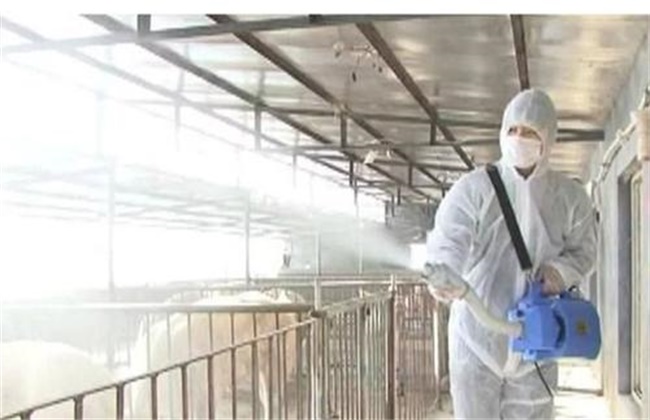
1. Disinfection
In spring, temperatures rise. This is the season when all things revive, and it is also a period when bacteria and microorganisms multiply in large numbers. At this time, disinfection work on pig farms must be done well. Lime is commonly used for disinfecting pig farms, and it can be sprayed on the ground and walls. As for pig feeding utensils, they can be disinfected with soda water after cleaning, and then rinsed clean with fresh water. Many farmers often skip the cleaning step during disinfection, which often leads to poisoning in pigs or affects the pigs' consumption. This point requires great attention: after disinfection, cleaning must be carried out.
2. Keep the Environment Dry
Pigs grow more suitably in warm, dry environments. In spring, although temperatures are rising, they are still relatively low, and cloudy and rainy weather is common, making pig farms relatively damp. A damp environment easily causes pigs to get sick. Therefore, this aspect of work must be done well, and ventilation work should also be done well to prevent toxic gases from harming pig growth. If raising pigs outdoors, it is best to put a warm shed over the pig farm to ensure the pig house is warm and dry. When raising piglets, attention should be paid to keeping them warm, so as to increase the survival rate of piglets.
3. Disease Prevention and Deworming
Spring is precisely the season of high disease incidence in pig herds. Common diseases at this time include swine fever, erysipelas, typhoid, infectious gastroenteritis, colibacillosis, and respiratory diseases. Farmers should strictly follow the immunization program and do a good job of immunizing pigs. Be sure to avoid missed injections and vaccine failure. Once an outbreak occurs, in addition to doing a good job of disinfection, outside personnel and vehicles must also be prohibited from entering, and thorough disinfection must be carried out for the entry and exit of one's own personnel and vehicles. At the same time, spring is also a period of high parasite incidence. Common internal and external parasites such as scabies mites and roundworms, although they will not endanger the lives of pigs, will cause slow pig growth and increase feed costs, so deworming should be carried out on time.
The above is an introduction to the key points of spring pig house management. We hope it can help you. To learn more related knowledge, please stay tuned to us.