What are the precautions for vaccinating pigs?
When raising pigs, illness in the herd is unavoidable. To effectively prevent and control changes, pig farmers vaccinate their herds, but many farmers lack knowledge about vaccination, so vaccination failures often occur, bringing huge losses to the entire pig farm. So what should be noted when vaccinating pigs? Let's find out together.
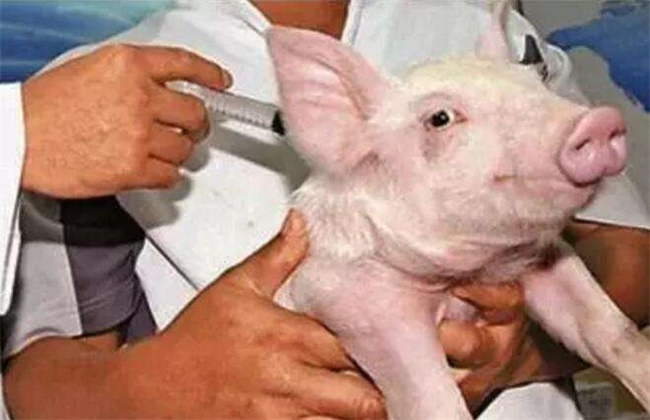
1. Vaccine selection and purchase
When vaccinating pigs, farmers should investigate and study the local epidemic diseases and establish a reasonable immunization program. They should not vaccinate blindly, which causes unnecessary waste. When purchasing vaccines, the dosage should be determined according to the number of animals raised and the vaccine's expiry period, and vaccines should be bought from legitimate suppliers. Vaccines with cracked bottle walls, unclear labels, or unclear records should not be purchased, and vaccines close to expiry should also not be purchased.
2. Pay attention to the injection dose
The injection dose of the vaccine is also quite important. Injecting too much often causes vaccine reactions, while injecting too little reduces the antigen and fails to achieve disease prevention. Before use, the vaccine should be shaken thoroughly so that the sediment is fully and evenly mixed. During injection, strictly follow the bottle label and instructions, and keep relevant records to avoid missed or repeated injections.
3. Injection subjects
The vaccine itself is a weakened virus, so the subjects of injection must be considered. The health status of the herd affects the success rate of vaccination. When the herd is suffering from a certain disease, injecting the vaccine at this time will not only fail to provide immunity, but on the contrary may cause pig deaths or spread the epidemic. In addition, sows should not be vaccinated, as it can cause miscarriage or stillbirth. It is best to vaccinate one month before mating, which can prevent miscarriage and stillbirth and also boost the piglets' resistance. For piglets, attention should be paid to the timing of injection. Piglets have poor resistance and should not be injected too early, as early injection interferes with their maternal antibodies. Generally, inject at 20-25 days of age, and give a booster immunization at 60 days of age.
4. Pay attention to disinfection
Full disinfection work should be done when injecting vaccines. Utensils such as needles, syringes, and tweezers must be disinfected in advance, and a new needle should be used for each injection. After immunization injection, large-scale disinfection work should be carried out. In addition, when injecting vaccines, do not administer two vaccines at the same time, otherwise the vaccines will interfere with each other and affect antibody formation, often resulting in poor results. Generally, an interval of more than 7-10 is required before another vaccine can be injected.
The above is an introduction to the precautions for vaccinating pigs. We hope it can help you. To learn more related knowledge, please follow us.