What to Do When a Sow's Farrowing Process Takes Too Long? Detailed Solutions
The entire process from a sow giving birth to the first piglet until the placenta is expelled is called the farrowing process. A normal farrowing process takes 2-3 hours. If certain factors cause it to drag on too long, piglet mortality will be relatively high, bringing huge economic losses to pig farming. So what should be done when a sow's farrowing process takes too long? Let's take a look together.
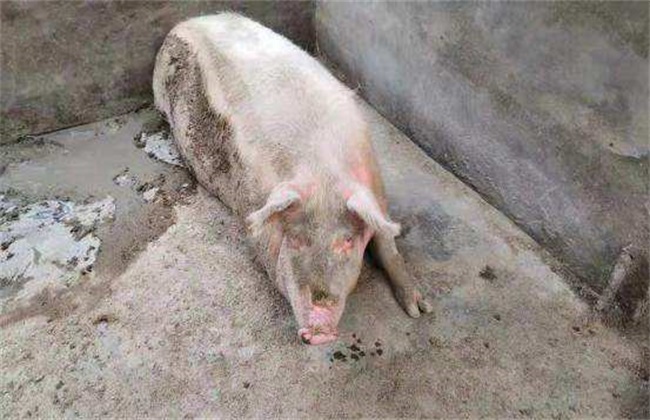
I. Causes of a Prolonged Farrowing Process
1. Breeding Too Early
If a first-time sow is bred too early, its endocrine and reproductive systems have not yet fully developed. Breeding at this time will cause its farrowing time to be too long.
2. Breed Factors
Some lean-type sows introduced from abroad take 1-2 hours longer to farrow than local sows, which is related to adaptability.
3. Sow Obesity
When a sow is too fat and does not exercise enough, its uterine contractions are weak and it cannot deliver piglets normally, resulting in a prolonged farrowing time.
4. Parity Factors
Older sows that have produced more than 8 litters will show weakness in the later stages of farrowing. Uterine contractions and abdominal pressure weaken, and the farrowing process often drags on for many hours. Moreover, the number of piglets they produce becomes fewer and fewer, and economic benefits gradually decline.
5. Stress Factors
Too many piglets being born can make the sow nervous and sensitive. If heat stress and cold stress are added on top of that, it will cause the sow to be frightened and restless, standing instead of lying down, prolonging the farrowing process.
6. Disease Factors
When a sow suffers from reproductive disorders such as encephalitis, parvovirus, and pseudorabies, the fetuses often die in the womb in the middle to late stages of pregnancy, or stillborn or mummified piglets are delivered. Some farrowing processes last 3-4 days or even longer.
7. Too Many Fetuses
Feeding the sow too fat during pregnancy leads to excessive fetal growth and development, making it difficult for the sow to deliver and prolonging the farrowing process.
II. Solutions for a Prolonged Farrowing Process
A sow should not be bred too early for the first time; generally, breeding should be carried out after 1-2 estrus cycles. During pregnancy, ensure sufficient and balanced nutrition, but do not overfeed; a medium body condition is sufficient. At the same time, ensure an appropriate amount of exercise and establish a scientific immunization program to effectively prevent and control the occurrence of reproductive disorders. When a sow is farrowing, create a comfortable, quiet, clean, well-ventilated environment with a suitable temperature to avoid various stresses. When a sow has difficulty farrowing, artificial induction of labor can be used. Old sows with declining health and reproductive capacity should be culled in time and replaced with young sows.
The above is an introduction to what to do when a sow's farrowing process takes too long. We hope it can help you. If you want to learn more related knowledge, please follow us.