What conditions are needed for rapid fattening of pigs?
For pig farmers, making the fattening pigs in their own farms grow quickly is the wish of every breeder, and besides feed digestion and absorption, environmental factors are also relatively important for fattening pigs sent to market. So what environmental conditions are needed for pig fattening? Let's take a look together.
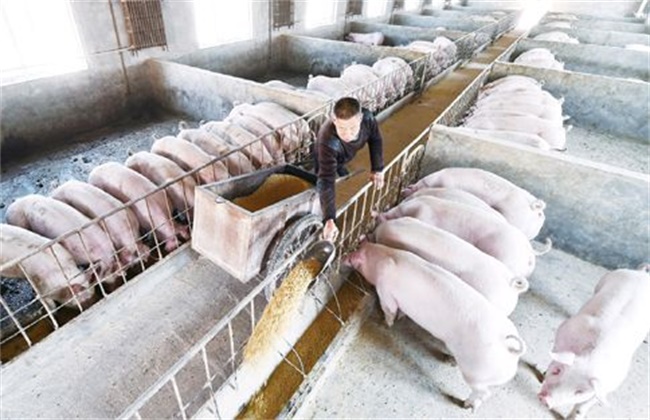
1. Temperature
Pigs are warm-blooded animals. Under normal circumstances, if the temperature is unsuitable, pigs can maintain their basic body functions by regulating their body temperature themselves, but this consumes their own nutrients and physical energy, which leads to too slow growth and reduces feed utilization. Therefore, temperature is extremely important for pig fattening. The suitable temperature for fattening pigs is 16-22°C before they reach 60 kg of body weight, 14-20°C at 60-90 kg of body weight, and 12-116°C at 100 kg of body weight.
2. Humidity
Too high or too low humidity also affects the growth and development of fattening pigs. When the pig house is in a high-temperature and high-humidity condition, heat dissipation from the pig's body is relatively difficult, creating a stuffy feeling; while in a low-temperature and high-humidity condition, the pig's heat dissipation effect increases, and the pig feels cold. Moreover, a high-humidity environment is favorable for the reproduction of pathogenic microorganisms, which can lead to pigs being infected with skin diseases. Conversely, if the humidity is too low and the air is dry, pigs are highly prone to respiratory diseases. The suitable humidity is around 60%-70%.
3. Ventilation
If the excrement, feed and bedding of the pig herd are not cleaned up in time, their fermentation and decomposition will produce harmful gases such as ammonia and hydrogen sulfide, and pigs produce a large amount of carbon dioxide when breathing. If the ventilation conditions of the pen are poor and the carbon dioxide concentration is too high, it will lead to reduced appetite and slower growth in the pig herd, and can also cause various symptoms such as poisoning and conjunctivitis, and in severe cases lead to death.
4. Density
If the stocking density of the pig herd is too high, its growth environment will deteriorate. In addition, the pig herd is also very prone to fighting, which reduces their feed intake, affects growth and development, and causes uneven development of the pig herd. Under normal circumstances, the suitable stocking density for fattening pigs is one pig per sq m, and it is suitable to raise 8-10 pigs per pen.
The above is an introduction to what conditions are needed for rapid fattening of pigs. I hope it can help you. To learn more related knowledge, please keep following us.