- 网站首页
- Flowers & Gardening
- Detailed Guide to Jasmine Cultivation Methods and Benefits
More jasmine flower meanings, jasmine picture appreciation
More about the benefits and effects of jasmine tea
Selected [How to grow jasmine] Jasmine cultivation methods and precautions
━═☆Plant Zone: More plant and flower information at Meilele Decoration Network!
For home plant cultivation, evergreens that can bloom are the most popular. Jasmine is inexpensive, fragrant, and has beautiful flowers, making it the most suitable choice. There are many precautions to understand when growing jasmine. In this issue, let's take a look at jasmine cultivation methods and what its benefits and effects are.
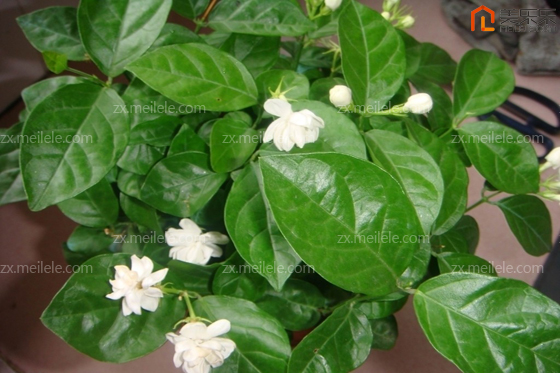
Benefits of jasmine:
Jasmine has a light, pleasant fragrance. Frequently smelling it can improve anxiety and relieve insomnia, with effects of calming the spirit and soothing depression.
Jasmine contains tea polyphenols and multiple vitamins. Drinking it appropriately can reduce edema, warm and nourish the stomach, lower blood pressure, and provide anti-cancer and anti-aging effects.
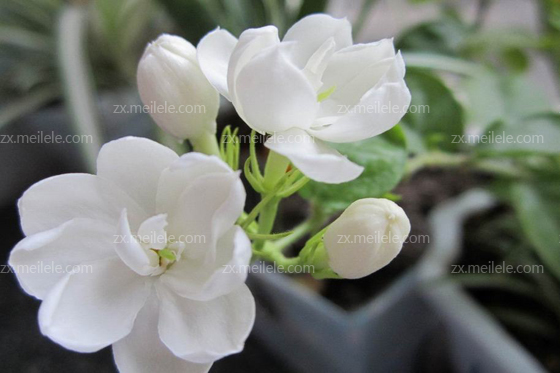
Jasmine cultivation methods:
Jasmine cultivation methods require attention to seven major points: light, water, soil, fertilizing, pruning, disease prevention, and flowering-period care.
Light: Jasmine blooms from July to September in summer. It likes hot conditions and is not cold-tolerant. The suitable growth temperature is 25-35°C. During the spring and summer growing period, ensure 2-3 hours of sufficient light daily. In autumn and winter, place it indoors in a bright location for cultivation.
Water: Jasmine is not drought-tolerant, but it also dislikes waterlogging. For daily cultivation, just keep the soil in the pot moist. Master the watering time and amount. When blooming in summer, water once in the morning and once in the evening, a small amount each time. If the temperature is too high, spray water onto the leaves. On ordinary days, watering once every two days is enough.
Soil: For cultivating jasmine, fertile sandy and semi-sandy soil is best. It prefers slightly acidic soil. If the soil is alkaline, the leaves will turn yellow. Therefore, it is best to plant in slightly acidic soil with a pH value of 6 to 6.5.
Fertilizing: The high-temperature season of midsummer is the peak growth period for jasmine, and also the time when jasmine most needs nutrients. During this humidity period, more organic fertilizer and phosphorus-potassium fertilizer can be applied, such as peanut cake powder, bone meal, superphosphate, and multi-element flower fertilizer, once a month. Fertilizer should not be too concentrated when applied, otherwise it can easily cause root rot.
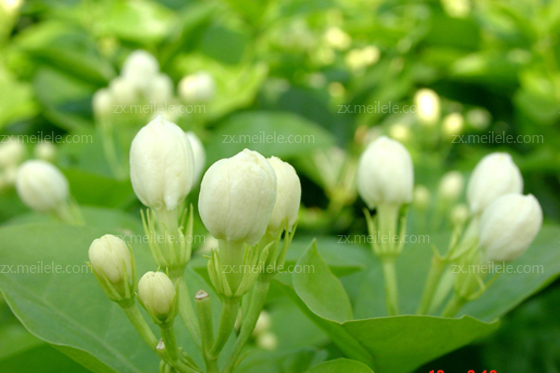
Pruning: Jasmine branches and leaves grow extremely fast, especially during the period when it blooms in summer. To avoid excessive branches and leaves consuming the nutrients of flowering branches, pay attention to regular pruning so that new branches and leaves can emerge, making the branches dense, the buds numerous, and the flowers abundant. When pruning, retain 10 cm to 15 cm from the base.
Disease prevention: The most important thing to pay attention to in jasmine cultivation methods is pest and disease prevention. Common pests and diseases harmful to jasmine include southern blight, brown spot disease, anthracnose, stem rot, jasmine leaf borer, jasmine bud borer, willow hawkmoth, frost hawkmoth, carmine spider mite, scale insects, etc., and prevention and control should be carried out promptly.
Flowering-period care: Jasmine flowering will continue for several months. After the same branch has bloomed, new branches will grow again, so the lush branches and leaves of flowering branches should not be reduced. During the flowering period, do not spray water on the flowers, to prevent premature flower drop and loss of fragrance. When it rains, move potted jasmine to a rain-sheltered place.
Summary: After all this, do you understand jasmine cultivation methods? If you want your jasmine to be pure white and elegant with a long-lasting fragrance, be sure to do these seven aspects well!
(Note: This article is an original article by Meilele Decoration Network. Reproduction is prohibited without permission. Malicious reproduction will be legally pursued. If you like it, share it more.)
[You may be interested in]
☑ Succulent Sempervivum arachnoideum ☑ Sunflower flower meaning ☑ Four-piece bedding set ☑ Benefits of pothos ☑ Rose pictures
☑ Forget-me-not flower meaning ☑ How to grow water lilies ☑ Money tree blooming ☑ Tatami mattress ☑ Epiphyllum information
- 请使用count标签查询 Industry News
- 请使用count标签查询 Agricultural Machinery
- 请使用count标签查询 Edible Gardening
- 请使用count标签查询 Grain Crops
- 请使用count标签查询 Fruit Tree Cultivation
- 请使用count标签查询 Flower Cultivation
- 请使用count标签查询 Macadamias
- 请使用count标签查询 Agricultural Products
- 请使用count标签查询 Pests & Diseases
- 请使用count标签查询 Flowers & Gardening
- 请使用count标签查询 Soil & Composting
- 请使用count标签查询 Vegetables
- 请使用count标签查询 Agricultural Technology
- 请使用count标签查询 Growing Techniques
- 请使用count标签查询 Succulents
- 请使用count标签查询 Agriculture Encyclopedia
- 请使用count标签查询 Flowers
- 请使用count标签查询 Plants
- 请使用count标签查询 News
- 请使用count标签查询 Birds
- 请使用count标签查询 Policy
- 请使用count标签查询 Fertilizer
- 请使用count标签查询 Pesticides
- 请使用count标签查询 Nursery Stock
- 请使用count标签查询 Mushroom Cultivation
- 请使用count标签查询 Medicinal Herb Cultivation
- 请使用count标签查询 Fodder & Green Manure
- 请使用count标签查询 Livestock Farming
- 请使用count标签查询 Apple Cultivation
- 请使用count标签查询 Coffee Cultivation
- 请使用count标签查询 Organic Farming
- 请使用count标签查询 Avocados
- 请使用count标签查询 Green Manure
- 请使用count标签查询 Orchids
- 请使用count标签查询 Livestock Farming
- 请使用count标签查询 Melons & Fruits
- 请使用count标签查询 General News
- 请使用count标签查询 Watermelons
- 请使用count标签查询 Oranges
- 请使用count标签查询 Wax Apples
- 请使用count标签查询 Tomatoes
- 请使用count标签查询 Strawberries
- 请使用count标签查询 Pears
- 请使用count标签查询 Cherries
- 请使用count标签查询 Passion Fruit
- 请使用count标签查询 Mangoes
- 请使用count标签查询 Dragon Fruit
- 请使用count标签查询 Blueberries
- 请使用count标签查询 Pepino Melons
- 请使用count标签查询 Pomelos
- 请使用count标签查询 Lychees
- 请使用count标签查询 Bird's Nest Fern
- 请使用count标签查询 Bananas
- 请使用count标签查询 Pothos
- 请使用count标签查询 Pineapples
- 请使用count标签查询 Figs
- 请使用count标签查询 Koi
- 请使用count标签查询 Lemons
- 请使用count标签查询 Cacti
- 请使用count标签查询 Muskmelons
- 请使用count标签查询 Goji Berries
- 请使用count标签查询 Sugarcane
- 请使用count标签查询 Soybeans
- 请使用count标签查询 Rice
- 请使用count标签查询 Cyclamen
- 请使用count标签查询 Peaches
- 请使用count标签查询 Jujubes
- 请使用count标签查询 Sugar Apples
- 请使用count标签查询 Plums
- 请使用count标签查询 Wampees
- 请使用count标签查询 Waxberries
- 请使用count标签查询 Longans
- 请使用count标签查询 Custard Apples
- 请使用count标签查询 Guavas
- 请使用count标签查询 Kiwis
- 请使用count标签查询 Grapes
- 请使用count标签查询 Mulberries
- 请使用count标签查询 Plant Pests & Diseases
- 请使用count标签查询 Salaks
- 请使用count标签查询 Persimmons
- 请使用count标签查询 Starfruit
- 请使用count标签查询 Mint
- 请使用count标签查询 Mangosteens
- 请使用count标签查询 Durians
- 请使用count标签查询 Papayas
- 请使用count标签查询 Cilantro
- 请使用count标签查询 Sweet Potatoes
- 请使用count标签查询 Bitter Melons
- 请使用count标签查询 Chili Peppers
- 请使用count标签查询 Ginger
- 请使用count标签查询 Millet
- 请使用count标签查询 Pumpkins
- 请使用count标签查询 Herbs
- 请使用count标签查询 Peanuts
- 请使用count标签查询 Cauliflower
- 请使用count标签查询 Loquats
- 请使用count标签查询 Coffee Cultivation
- 请使用count标签查询 Winemaking
- 请使用count标签查询 Organic Tea Garden
- 请使用count标签查询 Tea
- 请使用count标签查询 Seed Industry
- 请使用count标签查询 Livestock Farming
- 请使用count标签查询 Aquaculture
- 请使用count标签查询 Specialty Farming