What are the benefits and effects of Dendrobium orchids? A detailed guide
Dendrobium is a plant commonly used in traditional Chinese medicine and has high medicinal value. Today I will share with you the benefits and effects of Dendrobium.
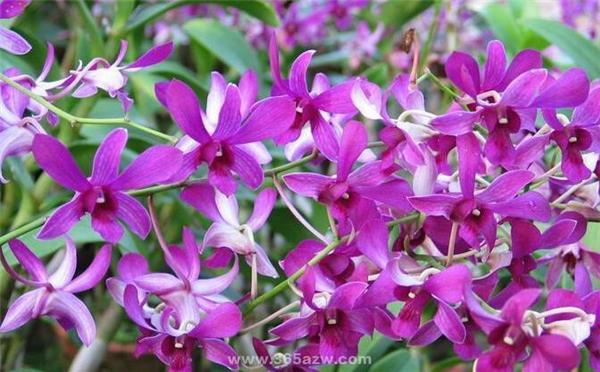
The effects of Dendrobium
Stomach yin deficiency and fluid damage from heat disease. This product is good at nourishing stomach yin, promoting fluid production and quenching thirst, and can also clear stomach heat. It mainly treats fluid damage from heat disease, with symptoms of irritability and thirst, and a dry tongue with a black coating. It is often used together with Trichosanthes root, fresh Rehmannia, dwarf lilyturf, and other items, such as the method of clearing heat and preserving fluids in the "Treatise on Seasonal Diseases." To treat stomach pain, swollen and painful gums, and mouth and tongue sores due to stomach heat and yin deficiency, it can be used together with Rehmannia, dwarf lilyturf, Baikal skullcap, and other items.
Kidney yin deficiency syndrome. It can nourish kidney yin and also reduce deficiency fire. It is suitable for blurred vision, weak and limp sinews and bones due to kidney yin depletion, and steaming bone and consumptive heat due to yin deficiency and exuberant fire. For those with kidney yin depletion and blurred vision, it is often used together with goji berry, prepared Rehmannia, dodder seed, and other items, such as Shihu Yeguang Pills ("Yuanji Qiwai"). For those with kidney yin depletion and weak and limp sinews and bones, it is often used together with prepared Rehmannia, Cornus officinalis, Eucommia bark, Achyranthes root, and other items that tonify the liver and kidney and strengthen sinews and bones. For those with kidney deficiency and exuberant fire, and steaming bone and consumptive heat, it should be used together with raw Rehmannia, goji berry, Amur corktree bark, Picrorhiza scrophulariiflora, and other items that nourish kidney yin and reduce deficiency heat.
How to eat Dendrobium
Dendrobium has the effects of benefiting the stomach, promoting fluid production, nourishing yin, and clearing heat. Dendrobium can be used for yin damage and fluid depletion, dry mouth and irritability with thirst, poor appetite and dry retching, post-illness deficiency heat, and blurred vision. As a medicinal herb, according to traditional Chinese medicine therapy methods, it can be prepared in different ways while maximizing nutrition.
Eating raw -- take some fresh Dendrobium, wash it thoroughly, and chew it carefully in the mouth. At first it tastes sweet and slightly sticky, and when it becomes fresh and refreshing, the remaining residue can be swallowed.
(Effects: strengthens yin and benefits essence, opens the appetite and strengthens the spleen.)
Making soup -- take fresh Dendrobium,
1) Wash it clean and remove some of the old roots at the same time;
2) Cut the washed Dendrobium into pieces or crush it, then add water to the pot (add an appropriate amount of water according to how much soup you drink)
3) First simmer over low heat for 30 minutes
4) Then add 1-2 grams of American ginseng and simmer for another 30 minutes to finish
5) Note: it can be decocted repeatedly 2-3 times, and eaten together with the residue. The modern famous physician Zhang Xichun said: Tiepi Dendrobium is the most durable for decoction, and should be split open and decocted first to obtain its true flavor (Effects: tonifies deficiency and nourishes yin, clears heat.)
Making tea -- take Dendrobium bought from a pharmacy,
1) Wash clean and remove impurities
2) Cut into thin slices or crush into granules
3) After brewing with boiling water above 90 degrees,
4) Wait 4-5 minutes and it is ready to drink.
5) It can be brewed repeatedly and eaten together with the residue. (Effects: opens the appetite and strengthens the spleen, reduces fire and regulates qi, and has a significant therapeutic effect on chronic pharyngitis.)
Preparing medicinal paste
1) After washing Dendrobium clean and removing impurities
2) Cut into pieces or crush
3) Add water and decoct (other Chinese medicinal materials may be added). The water ratio is 3:1, that is, 3 bowls of water are reduced to 1 bowl.
4) Decoct twice, discard the residue, then concentrate over low heat, add rock sugar, and continue simmering into a paste for use.
(Effects: has a significant therapeutic effect on symptoms such as strain and weakness, frequent joint pain, fatigue, and excessive night sweats.)
Soaking medicinal wine -- 1) Wash clean and remove impurities 2) Cut into thin slices or crush into small granules 3) Soak alone or together with other materials in liquor above 40 degrees, without adding other seasonings 4) It is ready to consume after 3 months. (Effects: tonifies the kidney and nourishes yin, generates essence and dispels wind.)
Cooking in meals -- 1) Wash clean and remove impurities 2) Cut into thin slices or crush into granules 3) Put Dendrobium with a whole chicken or whole duck 4) Add a little cooking wine (two small soup spoons) and half a slice of ginger, without adding other ingredients 5) Stew together over low heat for 2-3 hours (when checking, it is ready when chopsticks can be easily inserted into the meat) 6) Add salt, sugar, etc. according to personal taste, and eat together with the residue (according to traditional Chinese medicine, adding other things is generally not recommended, especially sugar, as it will affect the absorption of the medicinal effects).
What types of Dendrobium are there?
Huoshan Dendrobium is the most famous among Dendrobium types. Its stem is cylindrical and curved into a wavy shape. The lower part of the stem retains 2-3 fibrous roots, commonly known as the dragon head, and the upper part retains 2-3 leaves, commonly known as the phoenix tail. The surface of the Dendrobium is yellow-green, with longitudinal lines, a solid texture, and it breaks easily. The broken surface is flat, powdery, with a faint odor and a mild taste.
Tiepi Dendrobium, also called earring Dendrobium, is spring-shaped or spiral-shaped and is the finest among Dendrobium types. It gets its name because its surface is iron-green. It grows in the shade of cliffs and precipices, so it endures the spiritual essence of heaven and earth all year round and absorbs the essence of the sun and moon. Since ancient times it has been deeply favored by the imperial palace and nobility, and among the people Tiepi Dendrobium is called the immortal grass that saves the people.
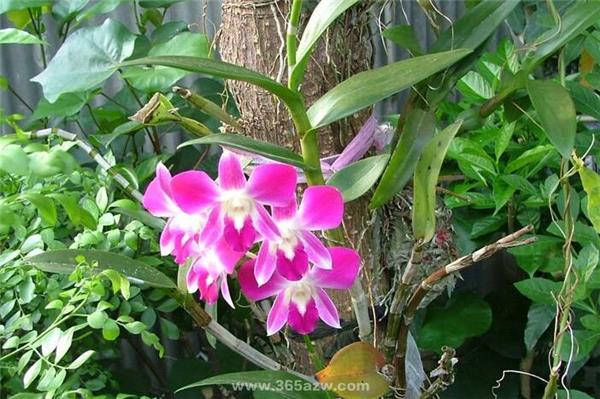
Jinchai Dendrobium is listed as one of the nine great immortal grasses and is called the giant panda of the medicinal world by the international medical community, which shows that the status of Jinchai Dendrobium cannot be underestimated. Its stem is flat, wide in the middle and narrow on both sides. The surface is golden yellow or yellow-green and glossy. Jinchai Dendrobium not only has medicinal value but also ornamental value, and is one of the precious orchid varieties.
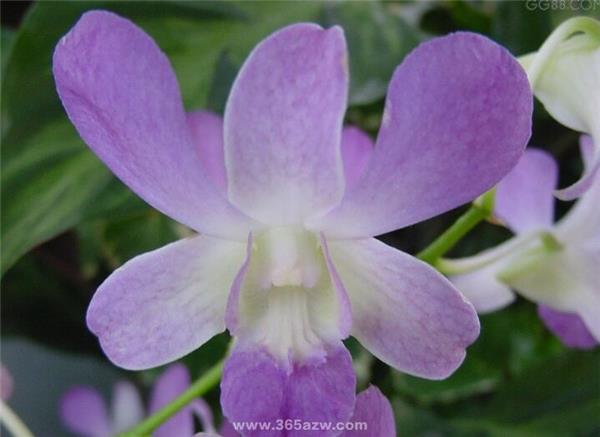
The pure white petals of the blooming Dendrobium flower spread out forcefully, as if a small bird has opened its wings, revealing a snow-white clear radiance and surging with the breath of life. The tips of the slender white petals are adorned with a touch of pale purple, hazy like mist, making it look extremely beautiful and giving people a fresh and elegant feeling.
The center of the Dendrobium flower is different from other flowers, with a peculiar shape, hemispherical with a slightly pointed end, a warm goose-yellow color, and a velvety texture, dazzling and often making people mistake it for an artificial flower. The pale purple is like a gem inlaid on yellow velvet. When a breeze passes, a faint delicate fragrance wafts over.
The above is a detailed introduction to the benefits and effects of Dendrobium orchids. I hope everyone will like today's content.
The surface is golden yellow or yellow-green and glossy. Jinchai Dendrobium not only has medicinal value but also ornamental value, and is one of the precious orchid varieties.The pure white petals of the blooming Dendrobium flower spread out forcefully, as if a small bird has opened its wings, revealing a snow-white clear radiance and surging with the breath of life. The tips of the slender white petals are adorned with a touch of pale purple, hazy like mist, making it look extremely beautiful and giving people a fresh and elegant feeling.
The center of the Dendrobium flower is different from other flowers, with a peculiar shape, hemispherical with a slightly pointed end, a warm goose-yellow color, and a velvety texture, dazzling and often making people mistake it for an artificial flower. The pale purple is like a gem inlaid on yellow velvet. When a breeze passes, a faint delicate fragrance wafts over.
The above is a detailed introduction to the benefits and effects of Dendrobium orchids. I hope everyone will like today's content.