Detailed Explanation of the Biological Characteristics and Pond Culture Techniques of the Freshwater Crayfish
Nowadays, the culture of the freshwater crayfish has attracted much attention. With the stabilization of crayfish prices in the domestic market, it has also gained recognition among farmers. In this process, scientific culture techniques should be analyzed with greater emphasis so as to improve the effectiveness of farming. Combining the biological characteristics of the freshwater crayfish with the fry, this article analyzes the aspects that should be given attention in the culture process:
I. Biological Characteristics
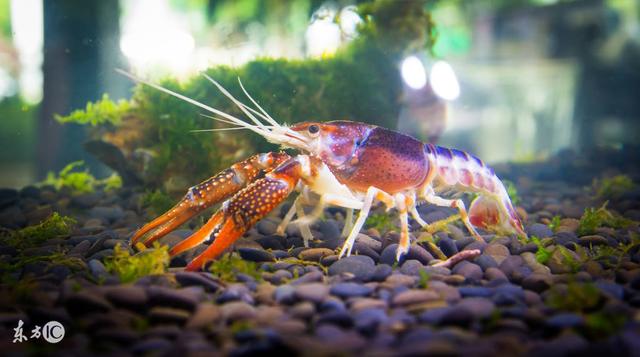
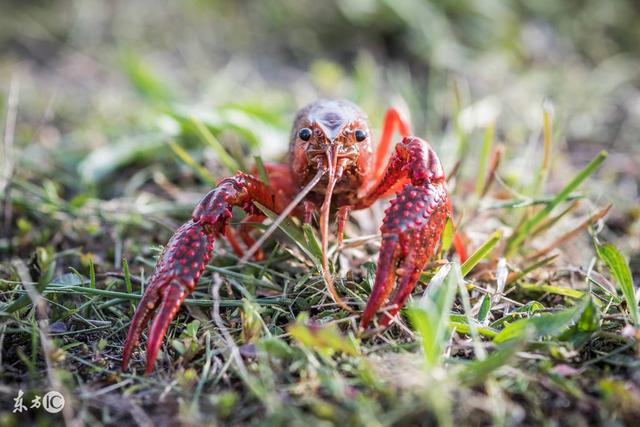
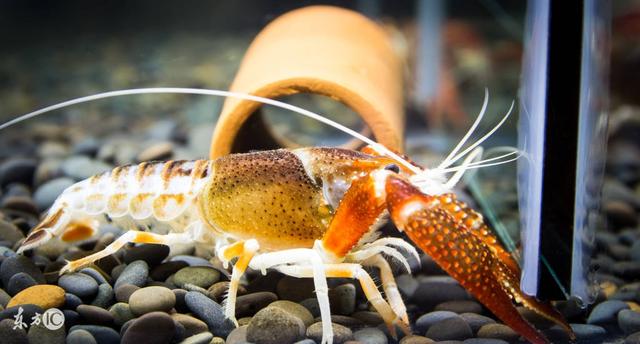
The scientific name of the freshwater crayfish is Procambarus clarkii. In animal taxonomy, it belongs to the phylum Arthropoda, class Crustacea, order Decapoda, family Cambaridae, genus Procambarus. The crayfish has a stout body and a thick carapace, appearing dark red. Its body surface is covered with a layer of hard chitinous shell. The body consists of the cephalothorax and abdomen, totaling 21 segments. The cephalothorax is somewhat larger. The head has 3 pairs of antennae; the antennae are thick and large near the head and small and pointed at the tips. The thorax has 5 pairs of walking legs; the ends of the 1st to 3rd pairs of walking legs are pincer-shaped, and the ends of the 4th to 5th pairs are claw-shaped. The 2nd pair of walking legs is particularly well developed into very large chelae. The chelae of male crayfish are more developed than those of females. The crayfish tail has 5 powerful tail fan segments. During the egg-carrying and hatching periods, the tail fan of the female curls inward, protecting the fertilized eggs or young crayfish when crawling or when attacked by enemies. The freshwater crayfish is widely distributed in various water bodies, and is more commonly found in still-water ditches, shallow lakes and ponds, indicating that it has strong adaptability to water eutrophication and low oxygen. Generally, maintaining dissolved oxygen in the water body above 3 mg/L is sufficient to meet its growth needs. Under dark and humid environmental conditions, this crayfish can survive for more than 1 week after leaving the water. The freshwater crayfish is very sensitive to heavy metals and certain pesticides such as trichlorfon and pyrethroid insecticides. Therefore, the culture water body should meet the national fishery water quality standards and the pollution-free food freshwater water quality standards.
II. Pond Requirements
The freshwater crayfish is classified in zoology as an arthropod, and it also has an impressive-sounding name called Procambarus. The crayfish has a very stout appearance, and it also has a very thick carapace. Generally, crayfish appear dark red. The crayfish can be divided into three parts. The first part is the head, which has three pairs of antennae, and these antennae are very distinctive: the closer they are to the head, the thicker and larger they are, while those farther from the head are very small and pointed. The second part is the thorax, which has 5 pairs of walking legs; the front three pairs are pincer-shaped, and the back two pairs are claw-shaped. Moreover, the second pair of walking legs of the crayfish is the most frequently used and the most developed chela. Among crayfish, the chelae of males are more powerful than those of females. The third part is the tail. The crayfish has 5 tail fan segments. The tail fan of the crayfish is generally spread out, and only when a female or male crayfish encounters danger will its tail fan curl inward. The freshwater crayfish has relatively strong adaptability and can live in various waters, mainly living in still-water ditches or ponds. It does not have very strict requirements for the nutrients and oxygen in the water; as long as the oxygen in the water is maintained at 3mg/l, it is sufficient. After leaving the water, the crayfish can live for more than 1 week in a dark environment. The freshwater crayfish is relatively sensitive to some heavy metal elements and pesticides, so the water quality for culturing crayfish must meet the national fishery standards.
III. Stocking of Juvenile Shrimp
Generally, when stocking juvenile shrimp, the pond water depth needs to be maintained at about 1m, because this is the most suitable water depth for the survival of juvenile shrimp. Two modes can be adopted when stocking juvenile shrimp: The first is winter-spring stocking. This type of stocking is generally carried out in December or from March to May of the following year. At this time, what is stocked are some crayfish seedlings that do not meet market requirements. After these crayfish seedlings are put into the pond and cultured for a period of time, they can also grow into relatively mature crayfish. Generally, at a depth of 500-700/hm2, 400-800 crayfish seeds are stocked, and by July or August these crayfish can be harvested. Generally, each crayfish weighs 40-60g. The second is summer stocking. The crayfish stocked in summer are mainly juvenile shrimp hatched in the current year. These juvenile shrimp are basically released after the harvest under the above stocking mode. This stocking mode differs from the first in many ways. This time the stocking density is increased, and there are also strict requirements for the quality of the shrimp seedlings. Basically, the shrimp seedlings stocked in the same pond should have the same specifications. For some shrimp seedlings purchased from other places, they should be rested in a water basin for 20min before stocking, and then placed in about 3% salt water for disinfection for 5min, after which they can be put into the pond. This can increase the survival rate of the juvenile shrimp.
IV. Feed Feeding
The freshwater crayfish is an omnivorous animal. It likes to eat very much, and it also eats a large amount, so the feeding amount needs to be considered when feeding. Crayfish growing in nature mainly eat some aquatic plants, dead fish, mussels, and so on, so during artificial breeding, some artificial bait can be used. Generally, artificial bait can include some bean dregs, earthworms, and so on, but when feeding, it is necessary to ensure that the proportion of crude protein in it is above 25%. During summer stocking, because the water temperature is just suitable for crayfish growth, the feeding at this time can be determined according to the shrimp's food intake. Generally, the animal bait fed accounting for about 8% of the crayfish body weight is sufficient. The bait can be fed twice a day, once in the morning and once in the evening. The amount of bait fed in the evening can be just 60% of that in the morning. Because the crayfish has relatively weak swimming ability, its range of activity is also relatively small, which gives it a habit of occupying territory. When feeding, the breeder should carry out orderly feeding according to this characteristic. The breeder should also selectively feed amounts according to the state of the shrimp. Feeding too much will cause waste, while feeding too little will lead to the phenomenon of fighting for food.
V. Conclusion
In summary, this article mainly focuses on the biological characteristics of the freshwater crayfish and actively analyzes several aspects that should be given attention in the process of its culture techniques. In the actual culture stage, relevant staff should also pay attention to combining this with on-site farming. Through experience and scientific management, the farming efficiency can be improved, and the quality of the freshwater crayfish can also be ensured to the greatest extent, providing people with good and healthy aquatic products.