June snow (Serissa japonica) is in bloom right now. Have you grown it this year?
June snow (Serissa japonica), a perennial semi-evergreen vine in the Rubiaceae family, blooms from May to August. Its flowers are small and dense, pure white like snow, which is why it is called "June snow." With dense branches and leaves and white flowers in full bloom, it looks as if the whole tree is covered in snowflakes - elegant, clean and lovely, making it an excellent ornamental plant grown both for its foliage and its flowers. June snow is also known as Mantianxing (baby's breath), Baimagu, Suiye Dongqing and so on, and is a medicinal flowering plant of the genus Serissa in the Rubiaceae family. Its nature and flavor are bitter and cool, and it has the effects of dispelling wind and dampness, relaxing muscles and activating collaterals, clearing heat and detoxifying, and regulating the spleen and qi. It has a certain therapeutic effect on rheumatism pain, migraine, toothache, sore throat, stomatitis, neurodermatitis, damp-heat jaundice, herpes zoster, leukorrhea and white turbid urine and other conditions. Whether for ornamental or medicinal purposes, it is worth getting one to grow.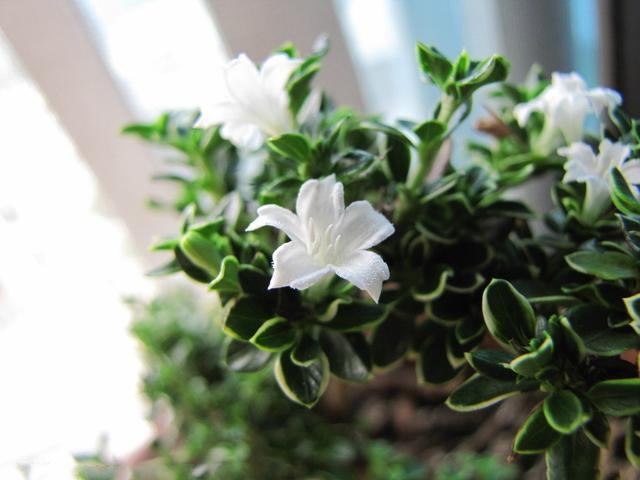
Growing methods:
Soil:June snow is highly drought-tolerant and has no strict soil requirements. It is extremely adaptable, and can even be grown in poor soil. For pot cultivation, it is best to use a moist potting mix that contains humus, is loose and fertile, has strong permeability and is slightly acidic; it will grow well in this.
Watering:During the growing season, June snow should be watered frequently to keep the potting soil moist. It should not be left too dry or too wet for long periods, and waterlogging in the pot or the potting soil drying out completely must be avoided. In the rainy season, water must not be allowed to accumulate in the pot, to prevent root rot. In summer, when the weather is hot and dry, spray water on the leaves in the morning and evening to lower the temperature and increase air humidity, which helps its growth. In winter, reduce the frequency of watering appropriately; keeping the potting soil moist and slightly on the dry side is enough.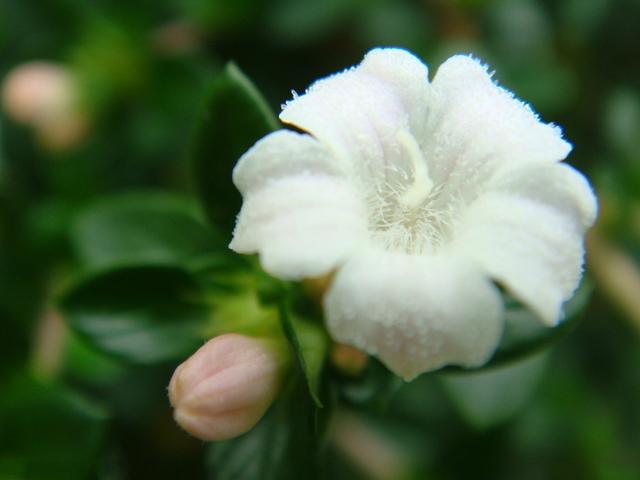
Light and temperature:June snow likes a warm and humid climate, fears scorching sun, prefers partial shade, is afraid of waterlogging, can tolerate cold, and has extremely strong resistance. Cultivation and care of June snow are relatively simple; during the growing period, it is best kept in a sunny, warm, humid and well-ventilated place. In summer and early autumn, 50%-70% shade should be provided, and it must never be exposed to blazing sun. Before winter, move it indoors in time to keep it warm, maintaining a room temperature above 5°C. At the same time, reduce watering and keep the potting soil half-dry, which will give the plant a lush, green, smooth and glossy look.
Fertilizing:June snow does not have very high fertilizer requirements. Because it is highly adaptable, it can even be grown in poor soil. Therefore, in daily cultivation there is no need to fertilize too frequently. From April to May each year, apply 2-3 waterings of a 0.5% concentration phosphorus-potassium fertilizer solution, and in midwinter apply 1-2 additional applications of a dilute organic fertilizer solution; do not fertilize in other seasons. Do not apply too much fertilizer, and do not apply concentrated fertilizer, otherwise the plant will grow leggy and lose its ornamental value.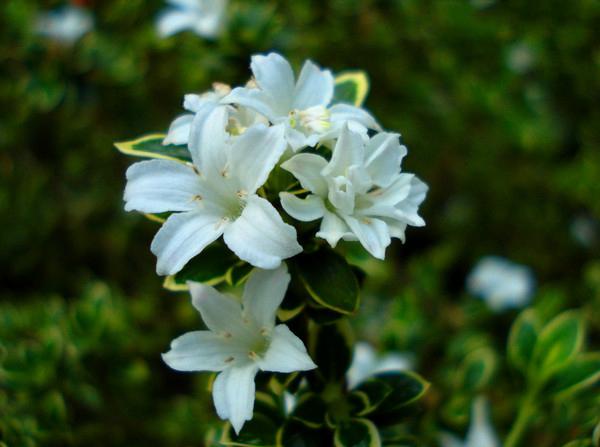
Pruning and shaping: June snow grows very fast, so it quickly changes shape and loses form, which means it must be pruned and shaped regularly. At least twice a year, once in mid-April and once in June during the flowering period. Cut back long branches and leggy branches, thin out overly dense fine weak branches, and remove diseased and pest-damaged branches as well as other messy branches that affect the plant's appearance. During the growing period, pinch out tips, remove buds and remove side shoots at the right time to keep it in a beautiful shape.
Pests and diseases:June snow has relatively few pests and diseases, with occasional occurrences of aphids and snails. Aphids can be sprayed with a 500-600 times dilution of essential balm. Snails can be sprayed with a 1500 times dilution of 58% Fengleiji emulsifiable concentrate. Root rot sometimes occurs; at the early stage of the disease, use a 600-1000 times dilution of 12% copper abietate emulsifiable concentrate, or a 800 times dilution of 50% Genfuling, to drench the roots and spray the leaves for control, spraying (drenching) once every 3-5 days, for 3-4 consecutive times.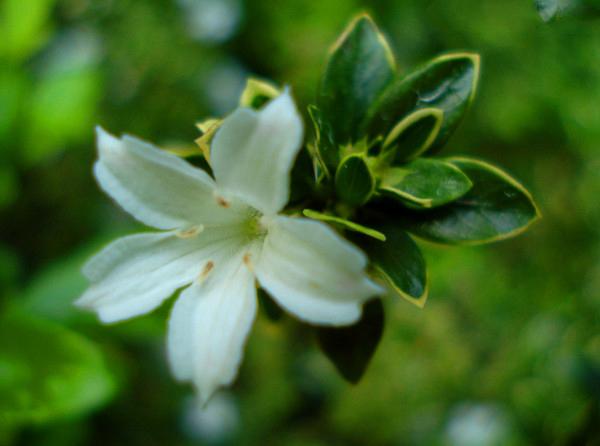
Propagation:June snow can be propagated by cuttings, division and layering. Cuttings from old branches are taken in April in spring, and softwood cuttings in June during the plum rain season. When taking cuttings, provide shade; rooting rates are high when cuttings are made in a sand bed. Perennial branches from large tree-type plants can also be used for cuttings; cut the base into a horseshoe shape and insert it into vermiculite or sand. Cover with plastic film, spray water frequently, and roots will form after 1 month.