What is the most profitable thing to farm in rural areas in 2018? Teach you how to make big money from farming
What to farm in rural areas in 2018 to make money
Income from black goat farming doubles every year
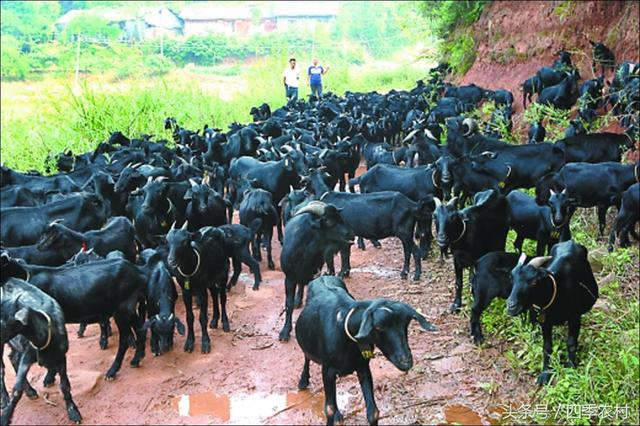
Feng Youcai of Minzhi Village, Lingchuan Town, Lingchuan County, invested 7,000 yuan in 2006 to raise crossbred black goats, and made a profit of more than 7,000 yuan that same year; all the way to 2009, his profit doubled every year. He said it was the high returns that boosted his confidence and made him keep expanding the scale, from the original 18 goats to a standing herd of 110.
He has maintained this herd size ever since. In the first half of this year he sold 37 breeding goats, earning more than 30,000 yuan, and his annual income is expected to reach more than 50,000 yuan.
In recent years, Lingchuan County has actively promoted the model of planting grass and raising goats in fenced pens, relying on its good natural conditions and abundant agricultural by-product resources. At present, the county raises 40,000 goats, with an expected annual slaughter of 20,000 goats, an output value of 9 million yuan, and an average income increase of 5,000 yuan for goat farmers.
The original breeds raised in Lingchuan County were mainly local goats, which are small in size, slow-growing and low in meat yield. The county's aquatic and animal husbandry department introduced improved breeding rams from other places, such as Nanjiang yellow goats, Jianyang big-eared goats and Boer goats, to crossbreed with local female goats so as to improve the growth rate and individual weight of meat goats.
At the same time, the county organizes and guides farmers with a certain level of economic and technical strength to introduce improved-breed female goats for breeding and raising, thereby improving the overall quality and growth rate of the flock. At present, the county's coverage rate of improved breeds has reached 85%.
Aquatic courtyard farming: small investment, quick path to wealth
The aquatic animal husbandry and veterinary department of Laibin City, together with the women's federation, the poverty alleviation office and other relevant departments, promotes the family "fisherwoman" courtyard farming model, using the open space in front of and behind farmers' houses to build fish ponds and raise high-efficiency species such as walking catfish and loach, increasing farmers' income. In Jiuxian Village, Sanli Town, Wuxuan County, a single hamlet has 15 households that use family courtyard farming to increase their annual income by more than 30,000 yuan each.
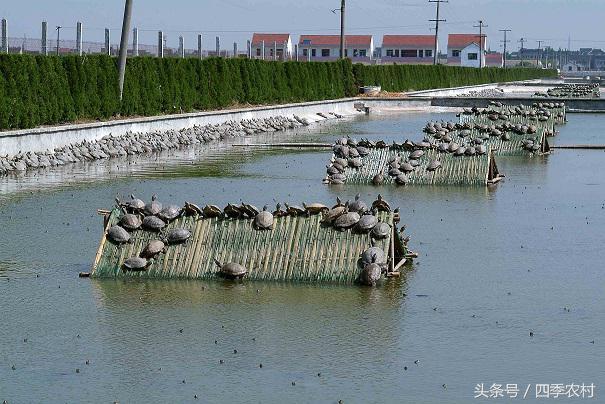
In Longzhou County, the number of farming households raising turtles and soft-shelled turtles in courtyards has reached 438, with species including the three-striped box turtle, the Chinese stone turtle, the Asian giant tortoise, the alligator snapping turtle, the Zuojiang soft-shelled turtle and the mountain turtle. The number of turtles and soft-shelled turtles raised has reached more than 70,000, with an annual output of 175 tons, an output value of more than 70 million yuan and profits of more than 30 million yuan.
The average output value of farming households is more than 150,000 yuan, with a per capita net income of 22,000 yuan. Among the 85 residents of Limin Street in Longzhou Town alone, 73 are engaged in courtyard turtle and soft-shelled turtle farming, accounting for 85.9% of the total households on Limin Street, and income from turtle and soft-shelled turtle farming accounts for more than half of the residents' annual income.
Pheasant farming
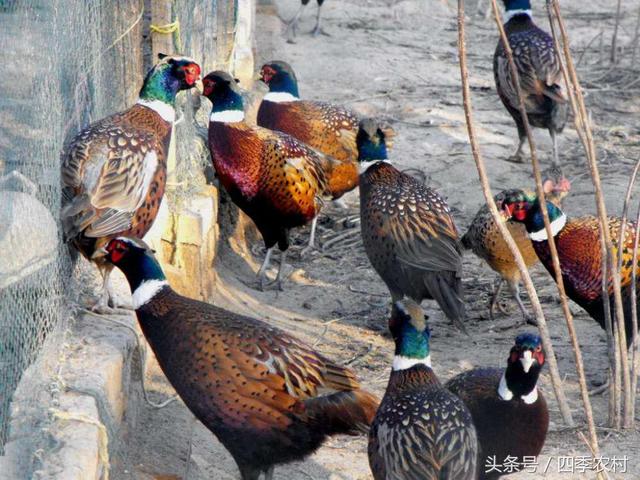
A few years ago, affected by SARS and avian influenza, the number raised dropped sharply. Since last winter, pheasant market prices have kept rising, and at present commercial pheasants sell for 24-35 yuan per kilogram on the market. Some farms in China also carry out deep processing of pheasants.
For example, Zhaobao Farm in Yongding County, Fujian Province, uses pheasant skin and feathers to make high-grade specimen decorations, each pheasant specimen selling for more than 280 yuan, greatly increasing the added value of the product. Experts believe that supply will fall short of demand in the next 5 years.
Fermentation-bed pig farming increases income and cuts costs by 50 yuan per pig
Fermentation-bed pig farming technology has the advantages of saving water, improving the disease resistance of the pig herd and the quality of the pork, and achieving "zero emissions"; it is a new pig-farming technique that saves costs and increases income.
It is understood that the biological fermentation bed in the pig pen is filled layer by layer, in proportion, with a mixed dry material of rice husks, sawdust, medicinal powder and so on, reaching a thickness of more than 80 cm. Seventy percent of the whole pig bed is dry filler such as rice husks and sawdust, thirty percent is concrete floor, and the other equipment is the same as in traditional pig pens.
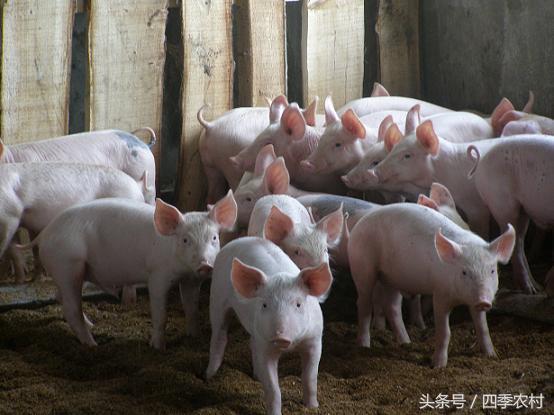
It has three benefits:
First, it achieves zero emissions. By feeding pigs formula microorganisms and adding microorganisms in proportion to the dry material of the fermentation bed, the microorganisms in the fermentation bed can eliminate the stench of the manure and urine that the pigs excrete into the dry material, turning the stench of a conventional farm into something colourless, odourless and stink-free;
Second, it reduces costs such as labour, water and electricity. The pig pen no longer needs to be washed with water every day, and the heat generated by the dry material can keep the pig pen dry and meet its temperature needs;
Third, the input cost is low. The dry material under the fermentation bed is turned and mixed once for each batch of pigs sent to market, and one use lasts 3 years.
Through carrying out the demonstration and extension of fermentation-bed pig farming technology, Guigang City has raised the survival rate of piglets by 2-5 percentage points, cut medicine costs by more than 80%, saved more than 90% of water, and increased income and cut costs by about 50 yuan per pig. Fish farming with waste hot water yields more than 50,000 jin per mu
In Laibin City, the waste hot water resources produced by the power plant are used to vigorously develop short-cycle, quick-return aquaculture projects such as tilapia and pomfret.
The waste hot water farm of the Laibin Power Plant makes full use of the waste hot water discharged by the plant, and through flow-through, high-density farming of warm-water fish such as freshwater white pomfret and tilapia, produces more than 1.5 million jin of fresh fish a year, with an annual output value of more than 6.5 million yuan and an average yield of more than 50,000 jin per mu.
It is currently the largest and highest-yielding warm flowing-water farm in Guangxi, and plays a main-channel role in ensuring the supply of freshwater white pomfret and tilapia to the two cities of Liuzhou and Laibin.
Northern woodland capons
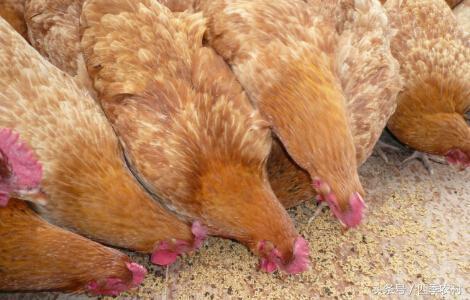
Capon farming is a special way of raising chickens among the people of southern China, in which roosters and hens are castrated before being raised. This farming method has a history of hundreds of years in China, and the technique of caponizing hens is still only passed down among a small number of Yi compatriots in Yunnan. Compared with ordinary free-range chickens (native chickens),
the meat of castrated chickens has no off-flavour and is more fresh and fragrant. Rural money-making projects. If the farming period of uncastrated chickens is short, the taste of the meat is not fragrant enough; if the raising period is too long, the meat becomes tough and hard to chew, whereas capons need to be raised for six months to a year.
The chicken meat is not only fragrant, but its texture is also tender. When capons are prepared by light cooking methods, the fresh, tender and fragrant characteristics of this chicken are brought out even more, making it the finest of chickens, and it has long been favoured by the people of the south.
The investment cost is low; you only need to buy 1-2 day-old chicks and raise them yourself. Let the chickens feed in the natural environment, with supplementary feed using only grain such as corn, wheat bran and soybean cake. After six months to a year of raising, you can get returns; caponized hens generally sell for 60-80 yuan per kilogram, and the market prospects and economic benefits are very considerable.
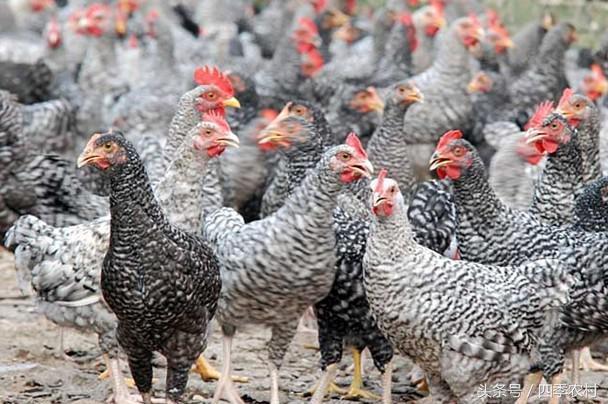
Farming insect-fed chickens
Insect-fed chickens are no ordinary birds: not only is the chicken meat nutritious and delicious, but even the yellow mealworms fed to the chickens are full of value. Set up farms and cooperatives, drive farmers along, and implement unified provision of feed, chicks and vaccines. You can also raise mountain chickens, Wanyuan black chickens and so on, which have high nutritional value and are welcomed by customers, so sales will not be a problem.
It is understood that the net profit of one Wanyuan black chicken is about 10 yuan. If you raise 20,000 of them, the annual income is 200,000 yuan, which is quite considerable. To develop the farming industry in rural areas, you must find the industry suited to your own development, and in the process of development you must pay attention to planting and farming technology to ensure the benefits of the industry, so as to achieve the effect of increasing income.