Wasp farming and release: food requirements, conditions, and hazards
Release sites for wasp farming and the conditions and food requirements needed.
The living conditions suitable for releasing wasps determine whether the released wasps achieve high yields.
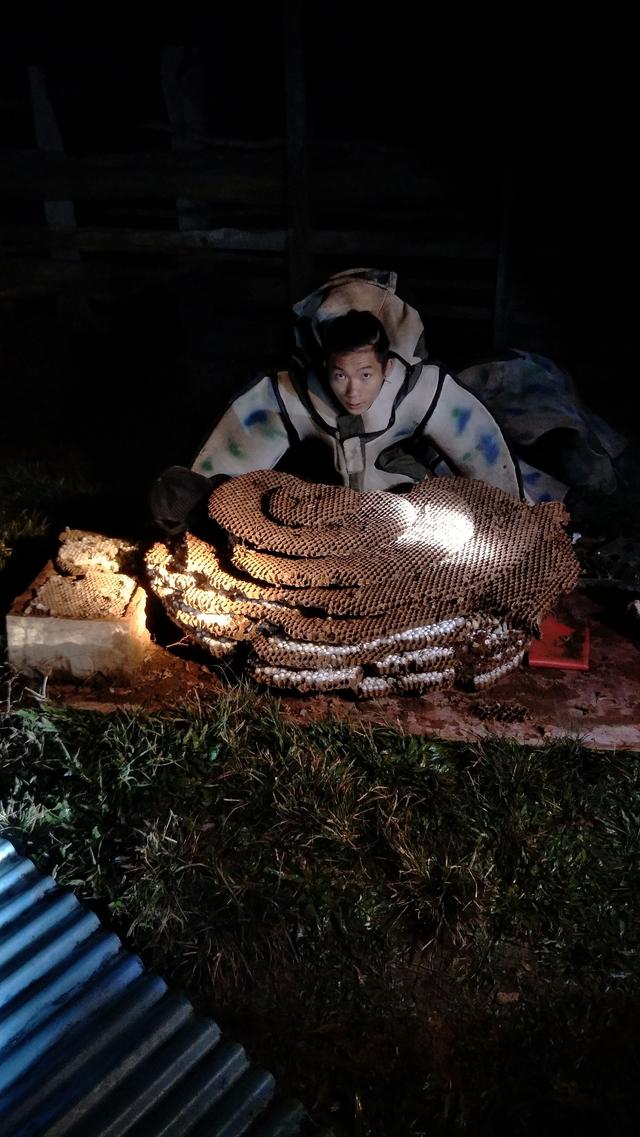
Wasps need numerous insects and meat. During the wasp growth cycle, there is a large amount of tree sap, inexhaustible, and the climate and altitude must be suitable, with abundant nectar and clear mountain water.
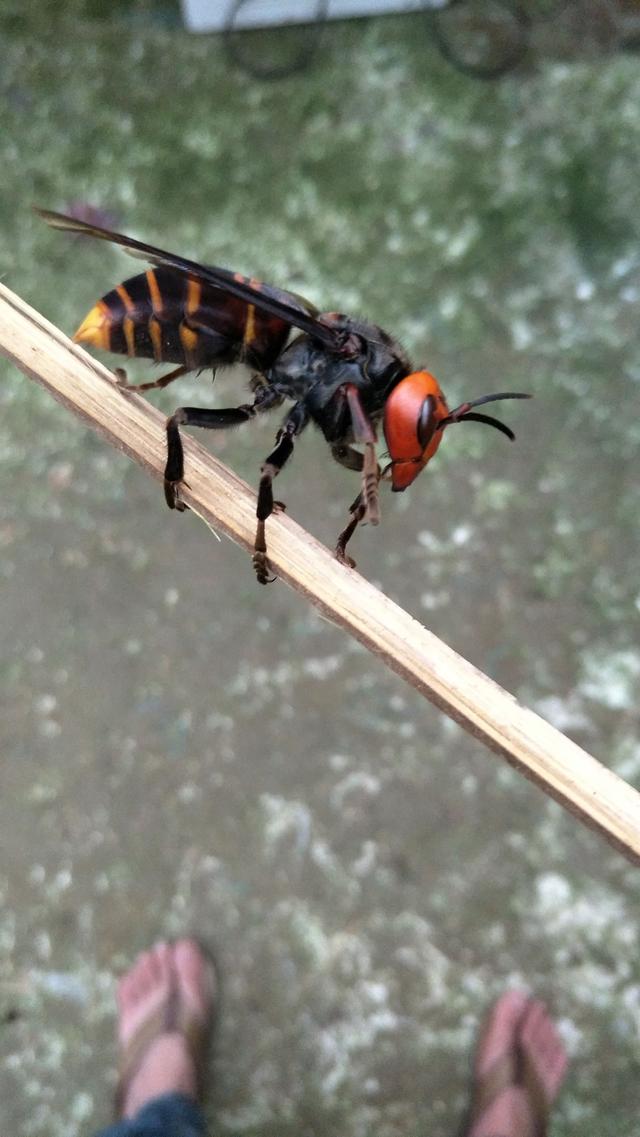 Whether wasps grow well is mainly related to these factors: at the release site, all-day direct sunlight on the nest entrance is not acceptable; too much rain is not acceptable, as it affects wasps going out to forage; too much fog is not acceptable; humidity that is too high is not acceptable; release soil with too many stones is not acceptable, as it affects wasps expanding the nest; and where plants are lush, weasels and birds will also affect wasp growth.
Hazards to wasps include: humans, pesticides, birds, and weasels, etc.
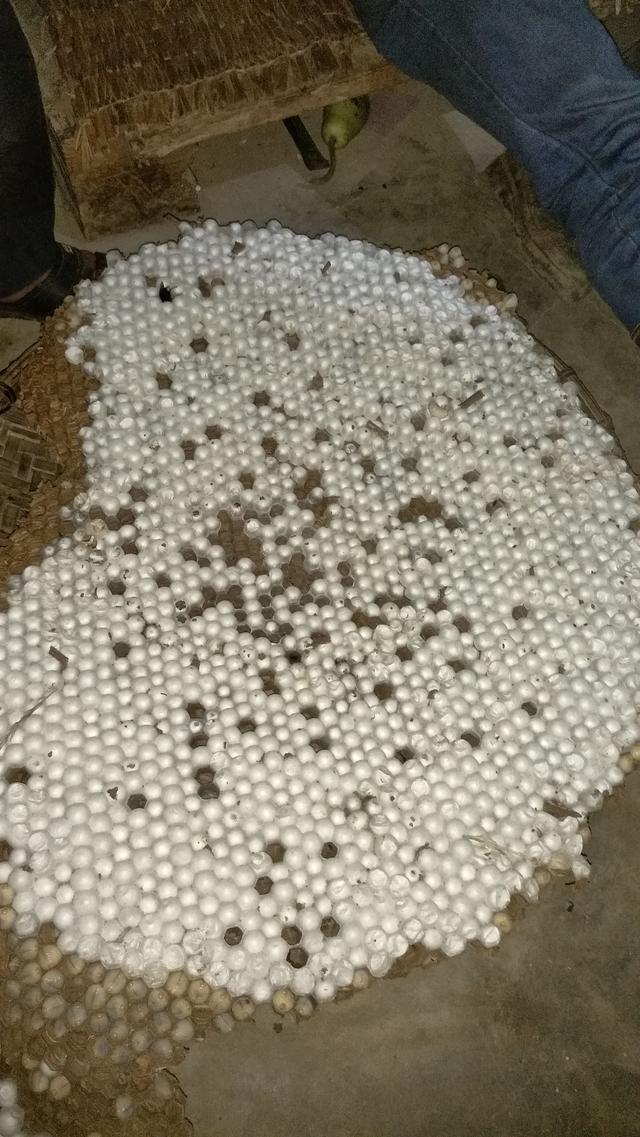 The approximate foraging range of wasps: the activity range of the red wasp can reach up to about 10 km, the golden-ringed wasp about 5 km, the black-tailed wasp about 3.5 km, and the seven-li wanderer and bottle gourd wasp about 2.5 km.
That is to say, for artificially farmed red wasps, the release site should generally be chosen within about a 10 km range of dense plants, while other wasp species should be released according to the living conditions they need.
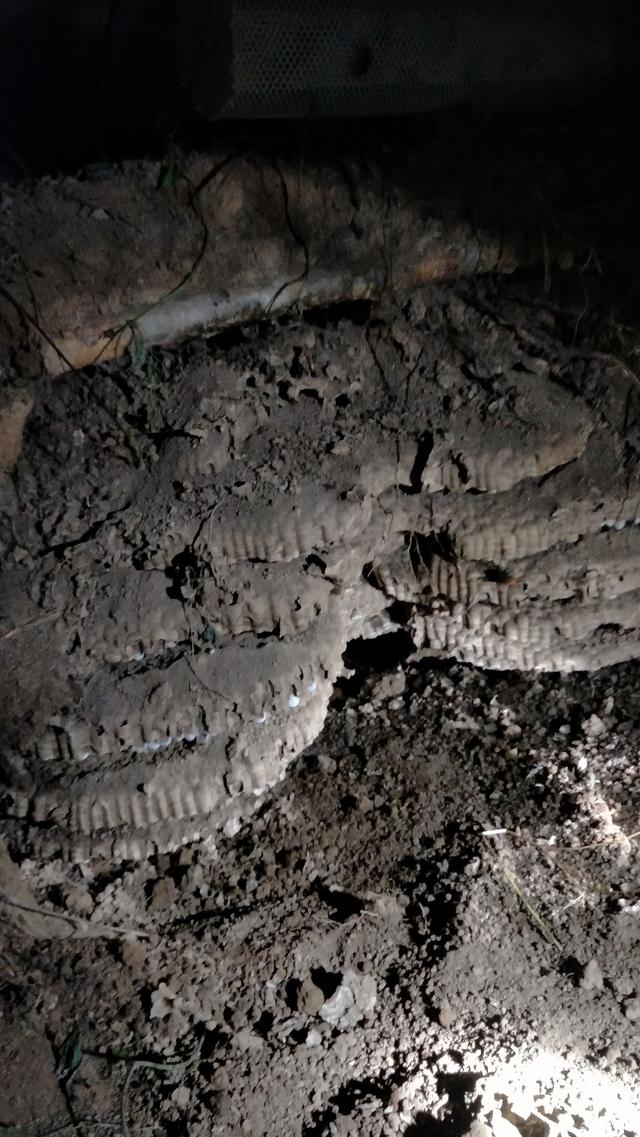 Under conditions with many wild wasps, plants are diverse and dense, there is no human settlement, no pesticides or pollution, sufficient water sources, numerous insects and meat, no animals that harm wasps, and sufficient tree sap and nectar.
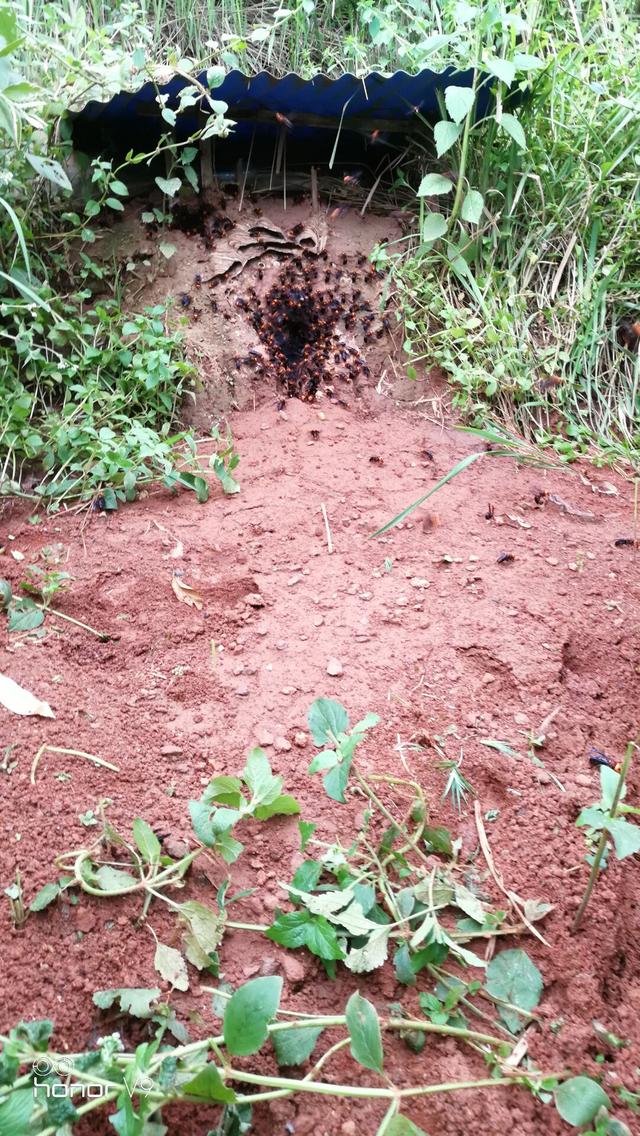 Choosing the conditions suitable for releasing wasps determines the economic benefits of farmers; choosing the right release method earns us farmers our renminbi.
The editor is also a professional wasp farmer.