How to grow cacti? Growing methods and feng shui considerations
I have a best college classmate named Wang Jia. I heard he was a child prodigy when he was little. A few days ago he came back from studying in California, USA, and it just so happened that his girlfriend was still traveling in North Korea and had not returned, so he invited me to his home as a guest. Besides, he had brought back an aerial photography drone that he wanted to give me. After thinking it over, since we had not seen each other for many years, I decided to go to his place for a visit. When I first got there, I found that he had also invited some other classmates who had emigrated to the United States from places like Turkey and Argentina. From talking with them, I learned that some of them were stock market experts, basketball aces on provincial teams, and the like. After touring his home, I found that his place was kept with quite a bit of charm, with all kinds of flowers arranged in perfect order. Among his classmates, one person was very fond of cacti and often browsed Taobao online, but he did not know how to grow them, and they often rotted for various reasons. Now that he saw Wang Jia managing his cacti so well, he asked about the growing method. Later, Wang Jia shared his experience growing cacti, as well as various information related to cacti.
1.Morphological characteristics
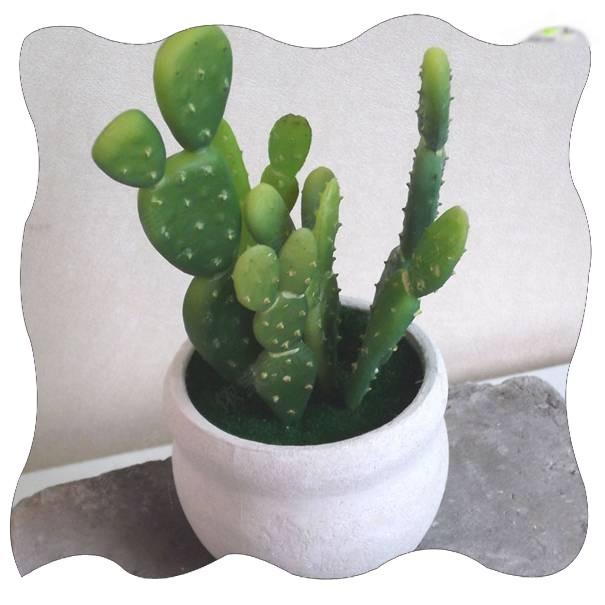
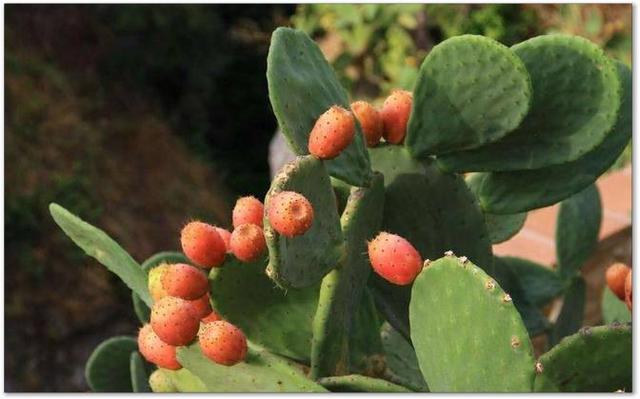
The cactus is a clustering succulent shrub of the genus Opuntia in the family Cactaceae. The more common types include the ball cactus, the prickly pear cactus, the Christmas cactus, and so on. Cactus branches are broadly obovate, with rounded tips and edges that generally have irregular waves. The cactus is overall green or yellow-green in color, with hairy leaves and generally spines.
2.Plant culture
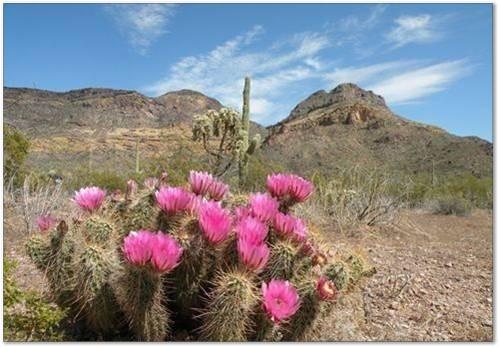
The cactus has tenacious vitality. Even in hot, arid desert regions, it can still survive, so it also has the fine name of "hero flower of the desert." Therefore, using it to represent a character of unyielding endurance and hardworking resilience could not be more fitting.
4.Feng shui effects
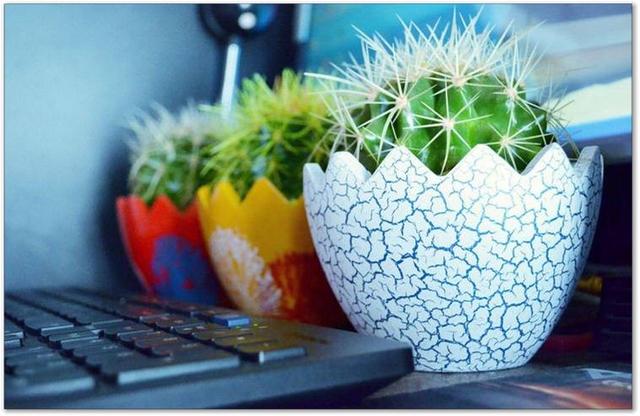
The cactus loves sunlight, so it is not suitable to place it in dark places. In feng shui, it is generally not advisable to grow cacti at home, because cacti are basically covered in spines, which can easily cause family disputes. If one must grow them, it is best to remove the cactus spines.
4.Daily care methods
4.1Watering matters
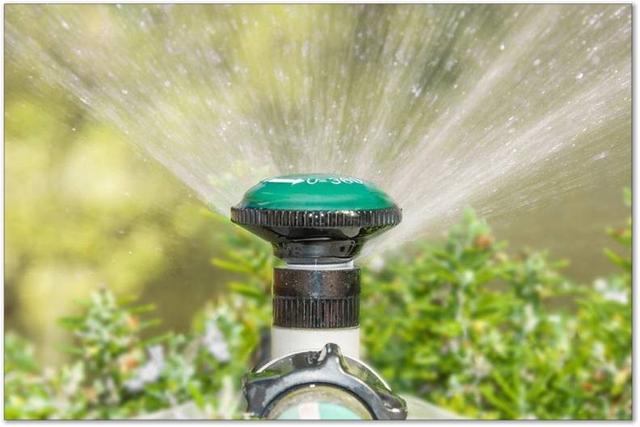
In the hot summer, water twice a day. If you want the plant to produce more offsets, you can water relatively more, but if you only want flowers and want to control the plant from growing larger, you must water less. Newly planted plants should not be watered as much as possible; just spray a few times, so that excessive moisture does not cause the plant to rot. Only after about a month, when new roots have grown, can you water normally. In spring and autumn, the principle is not to water unless the soil is dry.
4.2Fertilizing matters
During the growing season, apply a dilute liquid fertilizer once every 10 to 15 days. After October, stop fertilizing, otherwise some new buds are easily damaged by frost.
4.3Propagation methods
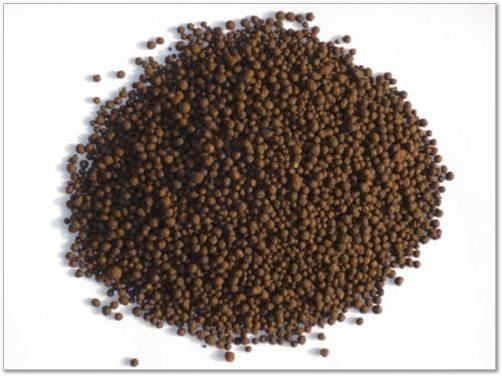
Generally, May to June is more suitable for cuttings. For the substrate mix, use 3 parts soil, 2 parts leaf mold, 1 part rice husk ash, and 4 parts coarse river sand. Take the healthiest and most robust part of the mother plant, then place it in a dry, airy place for about a week. Once the cut surface has shrunk, it can be inserted as a cutting. Do not insert it too deeply into the soil, to avoid rot. Before rooting, do not expose it to strong sun; keep it in a cool place for care. Only after rooting can normal management begin.
5.The practical value of cacti
In addition to its ornamental value as a flower, the cactus can also purify the air. While absorbing carbon dioxide from the outside, it can also digest the carbon dioxide it respires itself and release oxygen. It is also a delicious vegetable; the tender stems of the cactus are edible, and its fruit is a good-tasting fruit. Besides the values mentioned above, the cactus also has medicinal value, with effects such as clearing heat and detoxifying, soothing the meridians, and reducing swelling and pain.